Beyond the Numbers: How Decision Literacy and Psychosocial Load Are Becoming the New Frontier in Sports Science

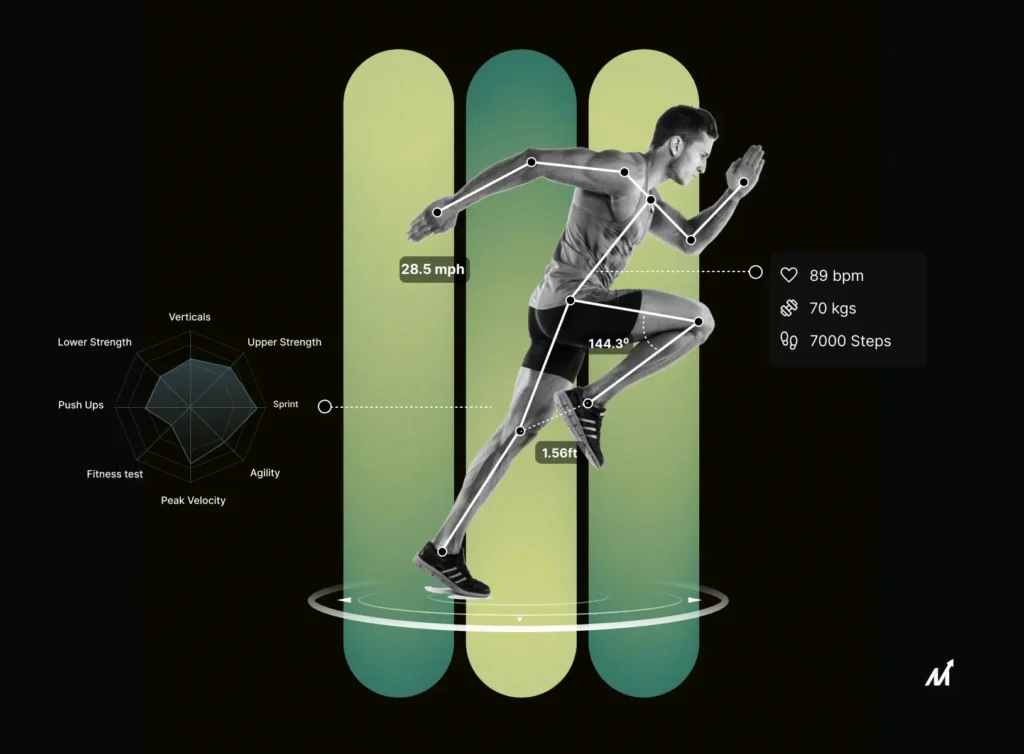
Sports science in 2026 has reached a fascinating inflection point. Wearable technology remains dominant, AI is everywhere, and biomechanical analysis has never been more precise. Yet leading practitioners and researchers agree: raw data alone no longer separates the good from the great. The real differentiator is decision literacy — the ability to make smart, timely choices amid incomplete information, conflicting signals, and high-stakes pressure.
This shift moves the field from a purely measurement-focused discipline toward something more holistic: understanding how athletes think, feel, and interact under the full spectrum of demands — physical, cognitive, emotional, and social.
Why Decision Literacy Matters Now
Access to AI and advanced analytics is no longer rare. Most elite teams and even many amateur programs use athlete management systems with built-in AI. The challenge has evolved from “how do we gather data?” to “how do we ask the right questions of that data?” and, crucially, “how do we act on it effectively?”
Poorly framed questions lead to confident but misleading AI answers. In contrast, practitioners who master prompt engineering and critical thinking extract actionable insights that drive genuine performance gains. This includes knowing when to trust the model, when to override it with contextual knowledge, and how to blend quantitative data with qualitative observations from coaches and athletes.
Studies and real-world experience in 2025–2026 show that teams excelling in decision literacy reduce injury rates, optimize training load more effectively, and make smarter in-game tactical adjustments. It’s the difference between reacting to fatigue metrics and proactively designing sessions that build resilience against the mental fatigue that often precedes physical breakdown.
The Rise of Psychosocial Load Management
Another major evolution is the recognition that load is not just physical. Competitive schedules, frequent travel, media scrutiny, social media pressure, teammate dynamics, and coaching relationships all contribute to an athlete’s total load.
Emerging research highlights how unaddressed psychosocial stress amplifies physical fatigue, slows recovery, and increases injury risk. For example, an athlete who appears “fresh” on GPS and heart-rate data may still underperform if they’re dealing with anxiety from a recent loss, contract uncertainty, or interpersonal conflict within the squad.
Forward-thinking programs in 2026 are integrating tools to monitor these hidden loads: regular well-being questionnaires, mood tracking via apps, sleep quality combined with subjective stress ratings, and even qualitative check-ins. The goal is a more complete picture of readiness — moving beyond “can the body handle this?” to “is the whole athlete ready?”
This holistic approach is especially critical in women’s sport, where researchers are moving past biology-only explanations (such as menstrual cycle effects) toward broader systems thinking that includes sociological factors like team culture, media representation, and support structures.
Practical Applications Transforming Teams
Elite clubs are already embedding these concepts:
- Daily or weekly “decision drills” where coaches present ambiguous scenarios (e.g., conflicting fatigue data during a tight schedule) and athletes/practitioners practice rapid, reasoned choices.
- Multidisciplinary review meetings that blend sports scientists, psychologists, coaches, and medical staff to weigh physical metrics against psychosocial signals.
- AI-assisted dashboards that flag not just spikes in physical load but also patterns in mood, motivation, or social dynamics.
In youth development, this mindset is helping shift from early specialization toward more balanced, multidisciplinary pathways. Recent evidence suggests that while early intense focus can produce quick junior success, long-term world-class performance often stems from broader early experiences that build adaptability and creativity.
For practitioners themselves, career sustainability is emerging as a key topic. With the demands of constant data interpretation, travel, and emotional labor, sports science teams are prioritizing their own well-being to avoid burnout — recognizing that exhausted staff make poorer decisions.
The Road Ahead for 2026 and Beyond
As we progress through 2026, the most successful programs will treat athletes as complex human systems rather than collections of metrics. They will invest in developing critical thinking skills across the entire support team and create environments where open dialogue about mental and social loads is normalized.
Technology will continue to help — from smartphone-based AI biomechanics analysis to advanced wearables tracking everything from glucose to skin temperature. But the real power lies in how humans use that technology: asking sharper questions, embracing uncertainty, and making wiser decisions.
For coaches, athletes, and sports scientists at every level, the message is clear. In 2026, winning the data war is no longer enough. The new battleground is the mind — how we interpret, decide, and support the full human behind the performance.
Those who master decision literacy and psychosocial awareness won’t just keep up with the competition. They will redefine what peak performance looks like in the years ahead.