

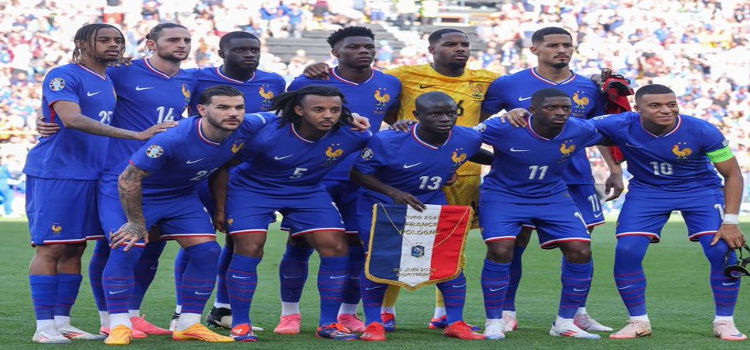
Undefeated France arrive at Murrayfield on Saturday with a Grand Slam firmly in sight and momentum on their side. Having brushed aside Ireland, Wales and Italy, the defending champions stand as the only unbeaten team in this year’s Six Nations. Scotland, along with England, remain the final obstacles in their path.
For Gregor Townsend’s men, the stakes could not be higher. Victory would not only derail France’s perfect campaign but also keep alive Scotland’s dream of a first-ever Six Nations title heading into the final weekend in Dublin. To do that, however, they must deliver one of their most complete performances in recent years.
Mastering the Aerial Contest
The aerial battle has become central in modern Test rugby, and France have been dominant in that department throughout the Championship. No side has kicked more frequently, nor retained possession from their own kicks as effectively. Their ability to turn high balls into attacking opportunities has punished every opponent so far.
Winger Louis Bielle-Biarrey and scrum-half Antoine Dupont have thrived on broken-field situations, while France’s back three consistently apply pressure under contestable kicks. Scotland have been strong here too, ranking second in kick-retention percentage. Ben White leads individual charts for kicks retained, and the back-three combinations have shown composure under the high ball.
Still, near-perfection will be required. Any lapse in back-field coverage or mistimed jump could be ruthlessly exposed by a French side that scores from cross-field kicks, chips and sharp counter-attacks.
Matching France’s Power
While flair grabs headlines, France’s physical edge remains formidable. Massive carriers such as Emmanuel Meafou give them go-forward ball, and their back row combines size with mobility. Statistically, they lead the Championship for metres carried and dominant tackles, underlining their control on both sides of the ball.
Scotland coped admirably in Paris last year for an hour before fading in the final quarter. Avoiding a similar drop-off will be crucial. The potential return of Jack Dempsey would provide much-needed ballast. His direct carrying and defensive presence could help Scotland compete at the gain line.
Rory Darge’s breakdown work will also be vital. Slowing French ball and disrupting rhythm may prevent the visitors from building the sustained pressure that overwhelmed previous opponents. Scotland have missed the fewest tackles so far in the tournament, but that defensive accuracy must hold for the full 80 minutes.
Starting on the Front Foot
Perhaps the clearest lesson from France’s campaign is their blistering starts. Ireland were 22 points down by half-time in Paris, Wales conceded within 90 seconds, and Italy were blown away inside 30 minutes. France thrive on early dominance.
Scotland, by contrast, have been slow out of the blocks against Italy and Wales. Another hesitant opening could see the contest effectively decided before half-time. Replicating the intensity of their fast start against England will be essential.
Murrayfield’s atmosphere will provide energy, but precision and composure must accompany passion. If Scotland can match France in the air, stand firm physically and strike early, they may yet carry the title race to the final weekend.
















Discussion about this post