United World Wrestling’s U17 European Championships 2026 Deliver Rising Stars and Competitive Fire in Samokov
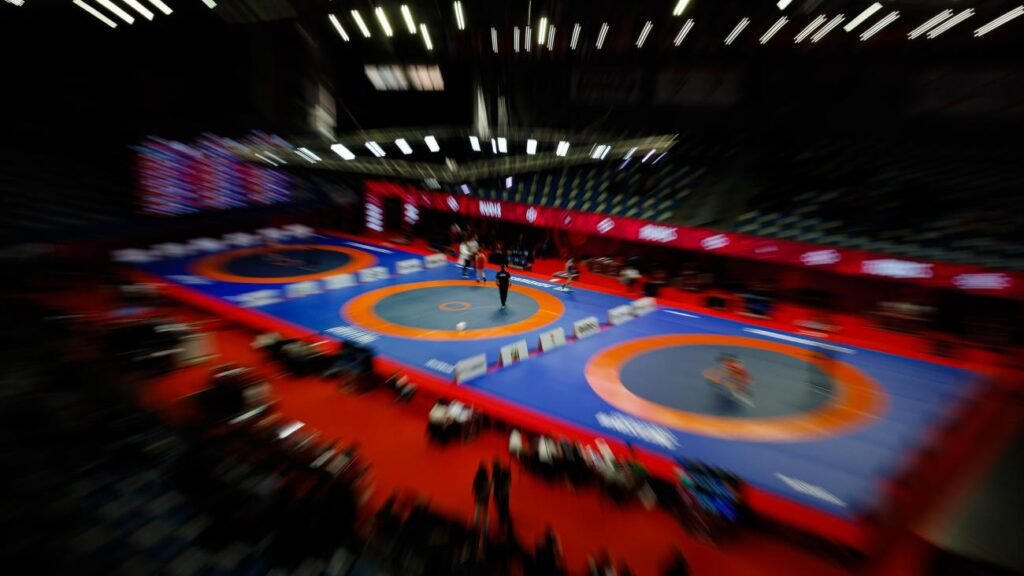
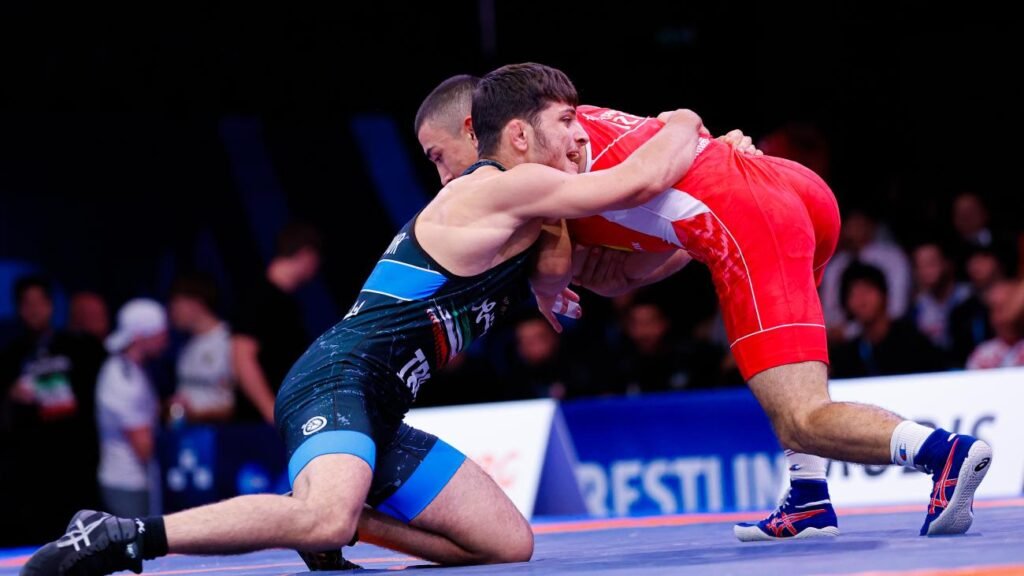
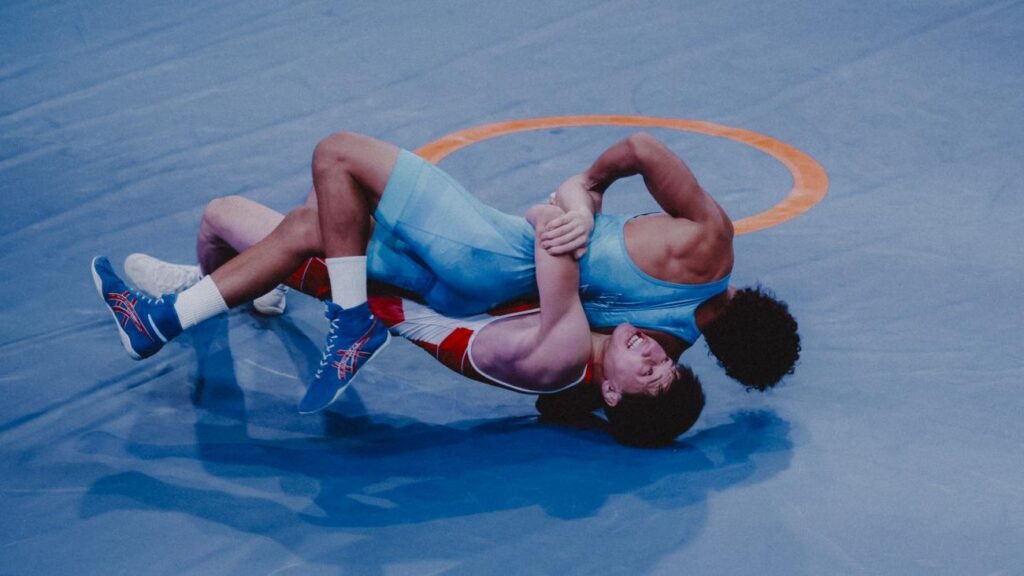
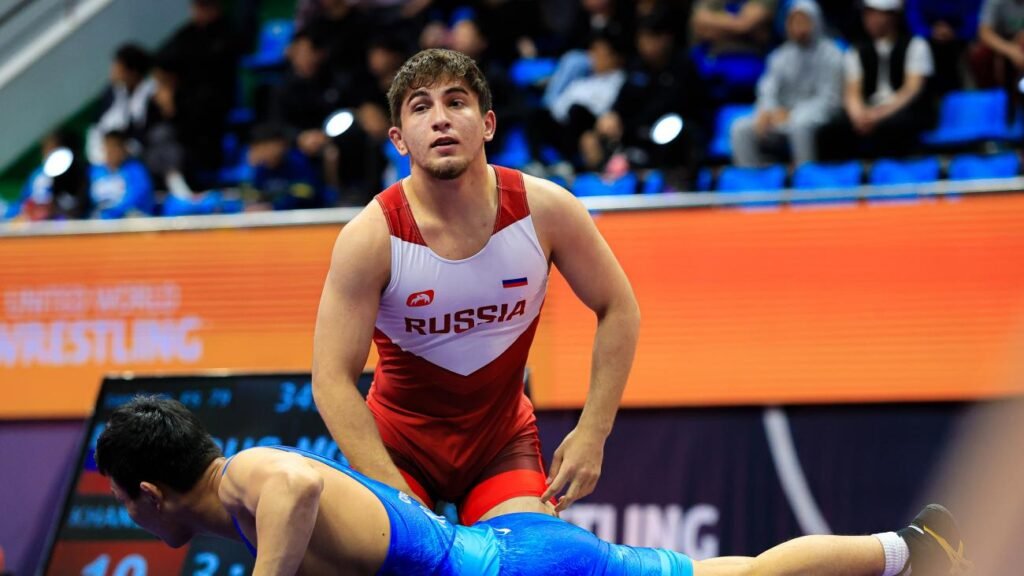
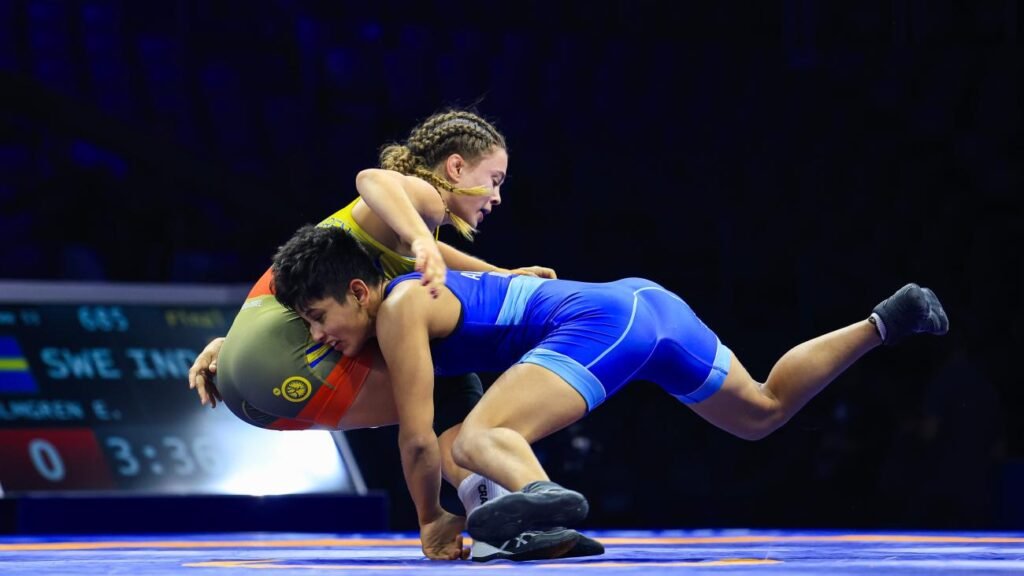
Samokov, Bulgaria : The 2026 U17 European Wrestling Championships unfolded from May 11–17 at Samokov Arena, drawing the continent’s most promising under-17 talents in Freestyle, Greco-Roman and Women’s Wrestling. Hosted under the auspices of United World Wrestling (UWW), the tournament combined elite athletic performances with emerging narratives of endurance, technique and national pride.
A Continental Showcase
This year’s championships continued the tradition of unearthing future stars for European wrestling programs. Delegations from across Europe arrived with full squads, including a robust Armenian team that boasted medal contenders, following a highly successful run at the previous edition.
Among the roster of contenders were competitors from powerhouse wrestling nations like Armenia, Azerbaijan, Georgia, Turkey, Russia, Ukraine, Poland, and Belgium, with athletes entered in all weight classes across styles.
Venue, Format and Competition Flow
The competition took place over seven days at the Samokov Arena, featuring three mats in use each day and both morning and evening sessions. Athletes first competed in qualification rounds, followed by repechage matches and medal finals — with brackets and results updated daily on UWW’s official platforms.
UWW’s livestreaming service allowed fans, coaches and national delegations worldwide to follow the action in real time, with brackets, heat times and results available through the UWW website and the official UWW+ app.
While final detailed results for every weight class are hosted on UWW’s dedicated results page, several storylines stood out during the week:
Growth of Freestyle Talent: Young wrestlers in the lighter and mid-weight brackets demonstrated rapid technical improvement, with close scorelines and tactical exchanges throughout the championship rounds.
Greco-Roman Intensity: Matches in the Greco-Roman division foregrounded strength and grip strategy, with several athletes edging out opponents by small margins in the late periods of competition.
Women’s Wrestling Momentum: The women’s brackets saw increasing depth, with nations expanding their programs and pushing for podium finishes across multiple weight categories.
Coaches and athletes highlighted the importance of these continental championships as stepping stones to higher levels of competition. A senior coach from one national delegation stated, “For these young athletes, this isn’t just a tournament — it’s where mental fortitude meets preparation. Every bout counts.” While not a direct quote from UWW, this sentiment reflects common themes seen in competition reporting and athlete interviews.
Data, Results and Medals
The official results and medal summaries — including brackets and scoring details — are published on the UWW results portal, with weight class breakdowns and team rankings posted daily. Medals were awarded across all styles and weight classes as athletes progressed from early rounds to podium finishes.
The entry list showcased competitors in classic categories such as 45kg, 55kg, 65kg, 80kg, and up to 110kg, reflecting broad participation across age-group weight divisions.
Following the Samokov event, many of the medalists and standout performers will continue their development with eye on world age-group tournaments later in 2026 and beyond. The U17 European Championships remain a proving ground for Europe’s next generation of wrestling champions.