Building Fit and Fierce: Tim White’s Vision to Transform Indian Junior Women’s Hockey
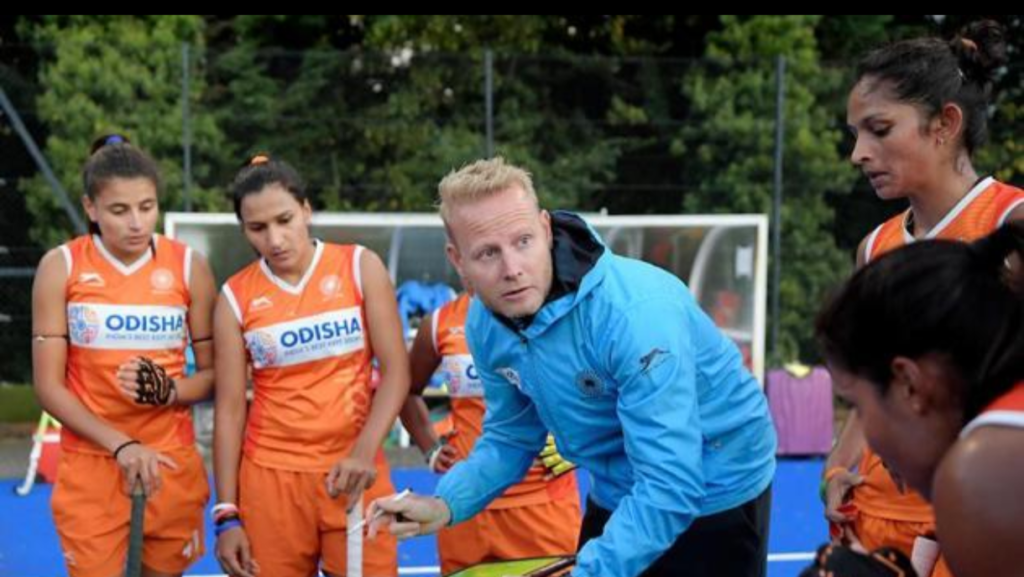
In the ever-evolving world of hockey, where speed, strength and endurance define success, Tim White, the newly appointed head coach of the Indian junior women’s hockey team, has spotlighted a crucial gap that India must bridge to compete with the world’s best — physical conditioning.
Speaking during a media interaction reported by The Times of India, White was clear in his assessment: for a team to become world-class, the athletes must first be physically world-class. His coaching experience in countries like Belgium and Australia has shown him how modern hockey success is deeply linked to strength, speed, and endurance.
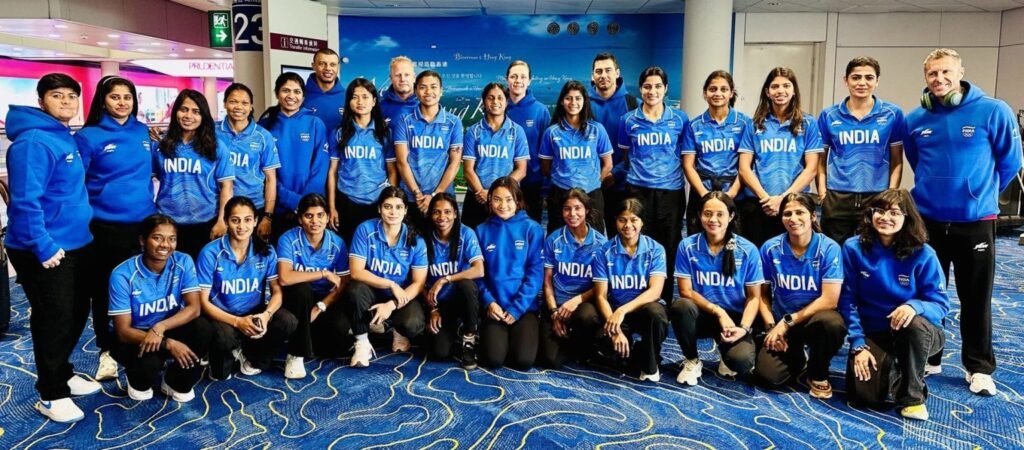
This assessment is not merely theoretical. Under White’s guidance, the junior squad recently displayed visible improvement during a four-match training series against Argentina in Buenos Aires. After struggling initially, the Indian team rallied to draw the series — a sign that physical preparation is beginning to influence performance under pressure.
Why This Matters: The Physicality Deficit
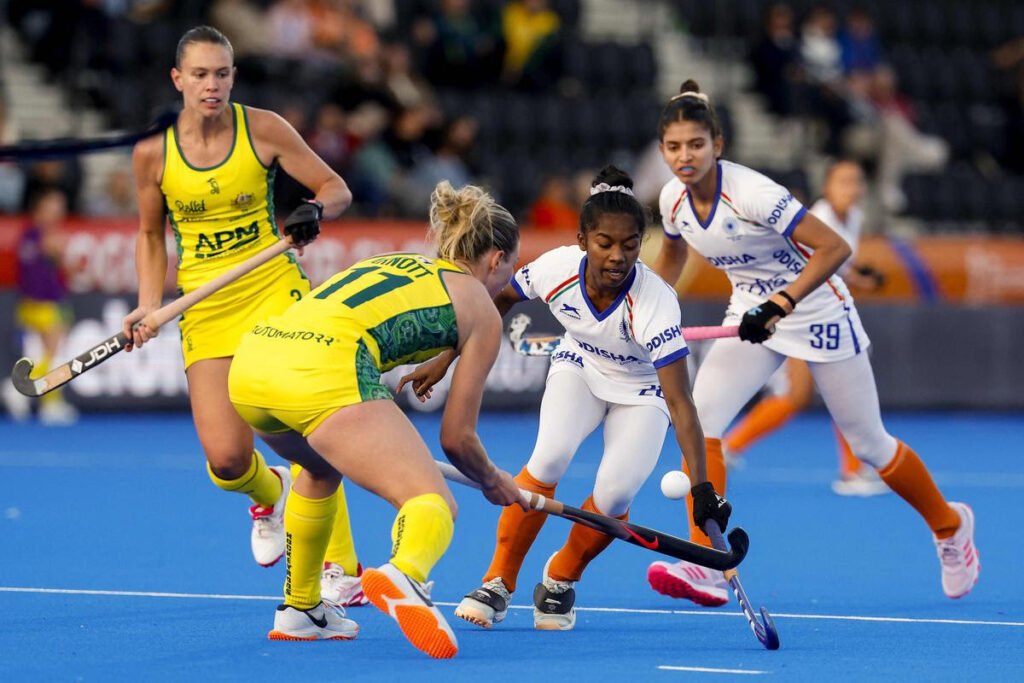
White’s analysis aligns with a broader trend in international hockey. Nations that have climbed the rankings in recent years have done so through advanced strength and conditioning programs, well-designed recovery systems, and strict nutrition protocols alongside skill development.
He has underlined the need for Indian players to improve in:
- Strength and power output
- Sprint endurance and repeat high-intensity efforts
- Recovery management and nutrition awareness
- Match-tempo training sessions that replicate real game intensity
- According to White, India possesses abundant raw talent, but that talent must be supported by a body capable of sustaining elite-level demands.
The Roadmap: From Junior to Senior Success
White’s long-term objective is not limited to immediate junior results. His focus is on building a system where junior players are physically and mentally prepared to transition smoothly into the senior national team.
Senior women’s coach Sjoerd Marijne, who also observed the Argentina tour, acknowledged the juniors’ growing intensity but noted that execution and finishing under pressure still require work. The improvement in physical pace across the series, however, was evident — earlier matches saw Indian players chasing play, while later games showed closer parity in speed and stamina.
Beyond Fitness: Culture and Mindset
White’s philosophy extends beyond gym sessions and drills. He is pushing for a cultural shift where intensity, discipline, and recovery habits become a daily routine for players. Education around nutrition, rest cycles, and mental resilience forms an important part of this transformation.
He has praised the junior squad’s eagerness to learn and adapt, noting that attitude and engagement levels are high — key ingredients for long-term development.
What Lies Ahead
With structured programs now being implemented, the emphasis is on:
- Embedding high-performance systems at the junior level
- Benchmarking progress against top international sides
- Translating physical gains into consistent match results
If White’s vision materializes, Indian junior women’s hockey could soon evolve into a team known not just for skill and flair, but for strength, endurance, and sustained intensity at the highest level of the sport.