THE ZINC BOOST TO ATHLETES
In the realm of sports performance, athletes and coaches often focus on macros — carbohydrates, proteins, fats — as the primary fuel for training and competition. Yet behind the scenes, micronutrients — vitamins and minerals required in smaller quantities — perform crucial biochemical roles that can make the difference between peak performance and hidden impairment. Among these, zinc stands out for its involvement in fundamental cellular processes, immune competence, and the physiology of muscle and metabolism.
Scientific research increasingly recognises that zinc is more than a trace mineral; it is a vital component of athletic nutrition, pivotal to performance, adaptation, and recovery. This article explores why zinc matters for athletes, how it enters the diet naturally, the scientific evidence on supplementation, and how it fits into the global framework of sports nutrition protocols and anti-doping standards.
WHAT IS ZINC AND WHY DOES IT MATTER?
Zinc is an essential trace element: humans cannot produce it endogenously and must obtain it from dietary sources. At a molecular level, zinc participates in hundreds of enzymatic reactions that underpin metabolism, DNA synthesis, protein production, antioxidant defence, immune response, and cell repair. It supports the activity of more than 300 enzymes across major biochemical pathways.
In athletes, the functional importance of zinc is magnified. Physically active individuals have elevated metabolic turnover and may experience increased zinc losses through sweat and urine, slightly raising their requirements compared to sedentary populations.
A landmark review in Sports Medicine noted that athletic diets — particularly for endurance athletes — can sometimes fall short in meeting micronutrient demands, making awareness and appropriate nutritional planning critical.
Athletes who prioritise high carbohydrate intake may inadvertently supply less zinc than needed, increasing the risk of deficiency in up to 90% of athletes studied. Zinc deficiency in athletes has been linked with latent fatigue, reduced endurance, anorexia, and even bone demineralisation — factors that undermine sustained training and performance.
HOW ZINC AFFECTS ATHLETIC PHYSIOLOGY
1. METABOLISM AND ENERGY PRODUCTION
Zinc plays a central role in carbohydrate, protein, and fat metabolism through its integration into key metabolic enzymes. Without sufficient zinc, processes such as glycolysis and oxidative phosphorylation — vital for energy during exercise — may be less efficient.
A Multidisciplinary Digital Publishing Institute (MDPI) systematic review titled “Antioxidants and Sports Performance”, published in 2023, concluded that adequate zinc status is connected to improved muscle strength, endurance, and oxygen delivery, potentially enhancing aerobic capacity and anaerobic power in athletes.
2. IMMUNE FUNCTION AND RECOVERY
For athletes exposed to intense training loads, immune competence is not an afterthought — it is a pillar of consistent training. Zinc plays crucial roles in immune cell activity, including neutrophil function and antioxidant defence. Athletes with marginal zinc intake can experience higher rates of infections, which disrupt training and competition readiness.
Zinc’s support of immune function may also influence recovery timelines. Some studies show that zinc supplementation reduces exercise-induced inflammation and may help attenuate muscle soreness, accelerating return to training.
3. MUSCLE GROWTH, REPAIR AND ENDURANCE
Zinc is involved in protein synthesis and cell division — processes that drive muscle repair after training, according to sports nutrition experts. Limited zinc availability can blunt recovery and compromise adaptations to strength and endurance training.
NATURAL FOOD SOURCES OF ZINC
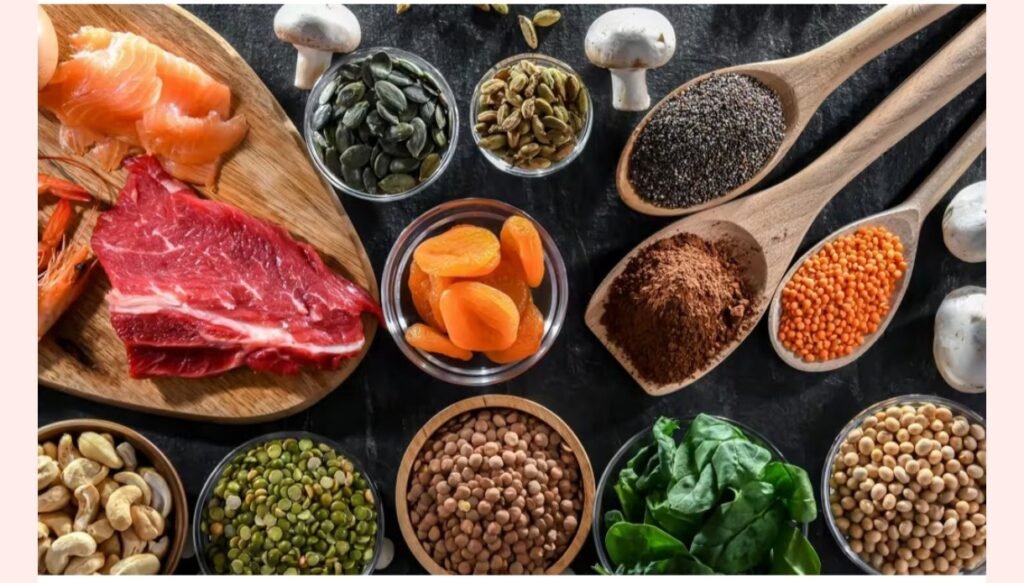
Given its essential nature, it is preferable for athletes to obtain zinc through whole foods before considering supplements. Zinc quantity and bioavailability vary widely across food items.
TOP NATURAL SOURCES:
Oysters and Shellfish — one of the richest zinc sources available.
Red Meat — highly bioavailable zinc.
Poultry and Fish — moderate zinc with good absorption.
Legumes (lentils, chickpeas, beans) — contain zinc but with phytates that can reduce absorption.
Seeds and Nuts (pumpkin seeds, hemp seeds) — plant-based zinc sources.
Whole Grains and Fortified Cereals — contribute zinc, though phytates in whole grains may limit uptake.
HOW MUCH ZINC DO ATHLETES NEED?
General nutritional guidelines (e.g., national RDAs) recommend around 8–14 mg per day for adults, depending on sex and dietary context.
However, sports nutrition experts often suggest that athletes may require slightly higher intakes to account for losses through sweat and increased metabolic demands — commonly in the range of 15–20 mg/day, though evidence is not yet definitive for specific athlete recommendations.
Importantly, there is a Tolerable Upper Intake Level (UL) — usually around 40 mg per day for adults — above which excessive zinc can have adverse effects, including reduced HDL cholesterol, immune impairment, and competition for absorption with other minerals like copper.
SUPPLEMENTS: ADVANTAGES, RISKS, AND PERFORMANCE EVIDENCE
ADVANTAGES OF ZINC SUPPLEMENTS
Bridge Dietary Gaps: For athletes struggling to meet needs via food alone, supplementation ensures a baseline level of zinc.
Support Recovery and Immunity: Some studies indicate that zinc supplementation may promote better immune function and muscle recovery.
SCIENTIFIC LIMITATIONS
Despite promising findings, robust evidence for direct performance enhancement in well-nourished athletes is limited. Many studies suffer from small sample sizes, short duration, or variability in dosing and form of zinc.
Historical reviews indicate that while mineral deficiencies can impair performance, supplementation beyond deficient status does not consistently enhance metrics like strength or endurance in healthy athletes.
RISKS AND DISADVANTAGES
Overconsumption: Excessive zinc can inhibit absorption of other minerals (e.g., copper).
Gastrointestinal Side Effects: Some forms of supplements may cause nausea or discomfort.
Mislabeling and Contaminants: Supplements are not tightly regulated. Labels can be inaccurate, and products may contain undisclosed substances.
GLOBAL SPORTING STANDARDS AND ANTI-DOPING NORMS
NUTRITION PROTOCOLS AND CONSENSUS POSITIONS
International sports governing bodies and nutrition consensus groups — including the International Olympic Committee (IOC) and the American College of Sports Medicine (ACSM) — emphasise a food-first approach for meeting micronutrient needs. These organisations recommend personalised nutrition plans developed with qualified sports dietitians and caution against indiscriminate supplement use unless deficiencies are clinically confirmed.
Zinc, as a micronutrient, is not singled out as a performance-enhancing substance in the conventional sense. Optimal nutritional status, including sufficient zinc, is seen as foundational to health and training adaptation rather than a method to artificially boost performance.
ANTI-DOPING STANDARDS AND ZINC
The World Anti-Doping Agency (WADA) maintains the global standard for banned substances and methods in sport, updated annually and adopted by hundreds of sporting organisations.
Zinc itself is not listed as a prohibited substance because it is a naturally occurring nutrient with no demonstrable capacity to enhance performance beyond normal physiological levels. There is no category in the WADA Prohibited List that includes zinc supplementation as a banned ergogenic aid.
However, the risk of contamination in supplements is a major concern. Even innocuous minerals can be adulterated with prohibited stimulants or anabolic agents during manufacturing. WADA’s strict liability principle holds that athletes are responsible for any prohibited substance detected in their samples, regardless of intent.
To protect against inadvertent anti-doping violations:
Athletes should use batch-tested supplements certified by reputable third-party programs.
They should maintain meticulous records of supplements taken.
A food-first strategy is recommended, with supplements reserved for medically justified cases.
Zinc sits quietly beneath the spotlight of athletic nutrition — not as a flashy performance enhancer, but as a fundamental micronutrient essential for basic physiology, immunity, and training adaptation. Scientific evidence supports its role in enzyme function, immune defence, recovery, and metabolic processes that underlie athletic output.
A balanced, nutrient-dense diet rich in zinc-containing foods usually meets the needs of most athletes. Supplements can play a role when dietary intake is insufficient or when clinical deficiency is identified, but they are not a shortcut to performance.
Ultimately, approaching zinc with the same respect afforded to macronutrients — through evidence-based planning, personalised assessment, and professional guidance — will yield the best outcomes for health, training, and competitive success.