From Shuttles to Scandals: How India Open 2026 Sparked a National Reality Check
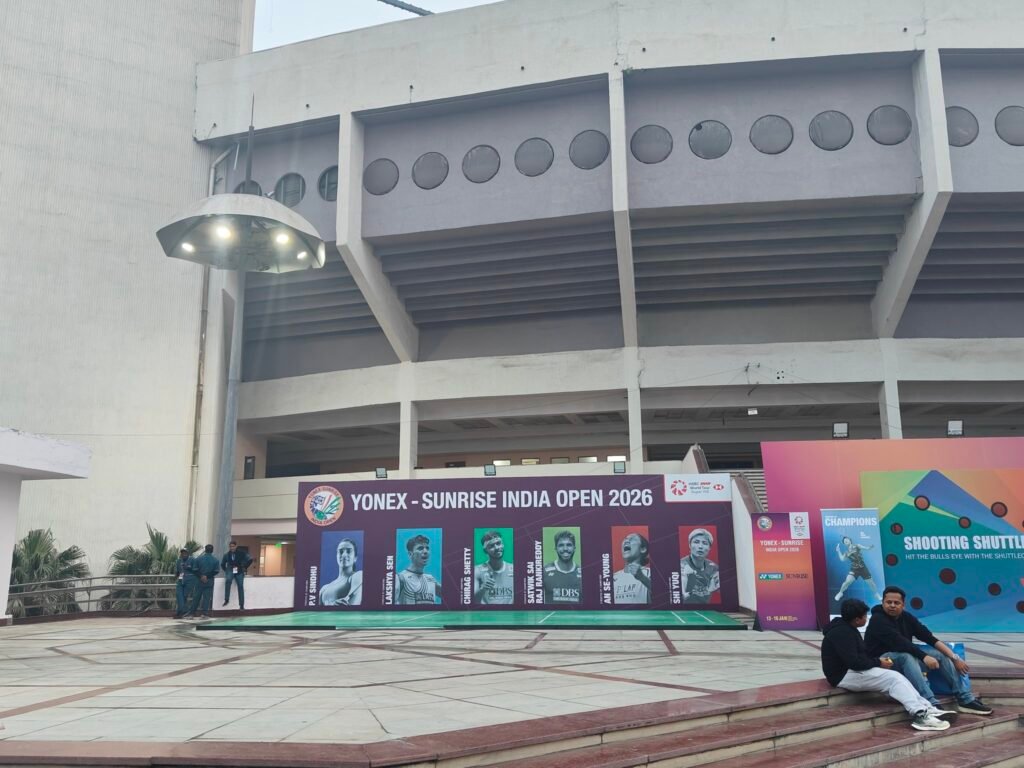
NEW DELHI – The 2026 India Open Super 750 ended on Sunday with champions crowned and the arena lights dimmed, but the tournament’s echo has lingered far longer than its rallies. What should have been remembered for elite badminton has instead triggered uncomfortable questions about hosting standards, athlete welfare, and institutional readiness — questions serious enough to draw swift intervention from the Union Sports Ministry to prevent a repeat of what officials privately describe as a “near-embarrassment on the global stage.”
With India aggressively pitching to host the 2036 Olympic Games, the government has framed the India Open controversy not merely as a sporting lapse, but as a credibility test.
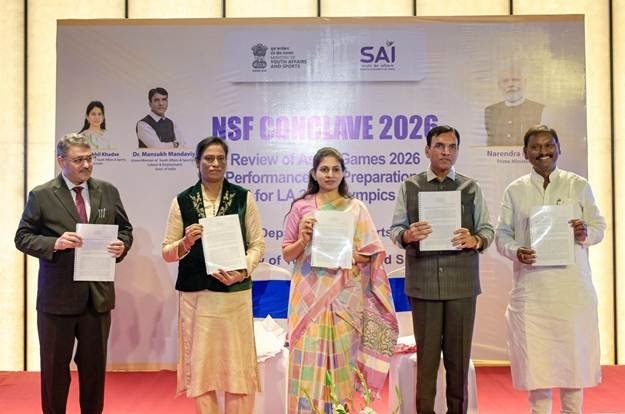
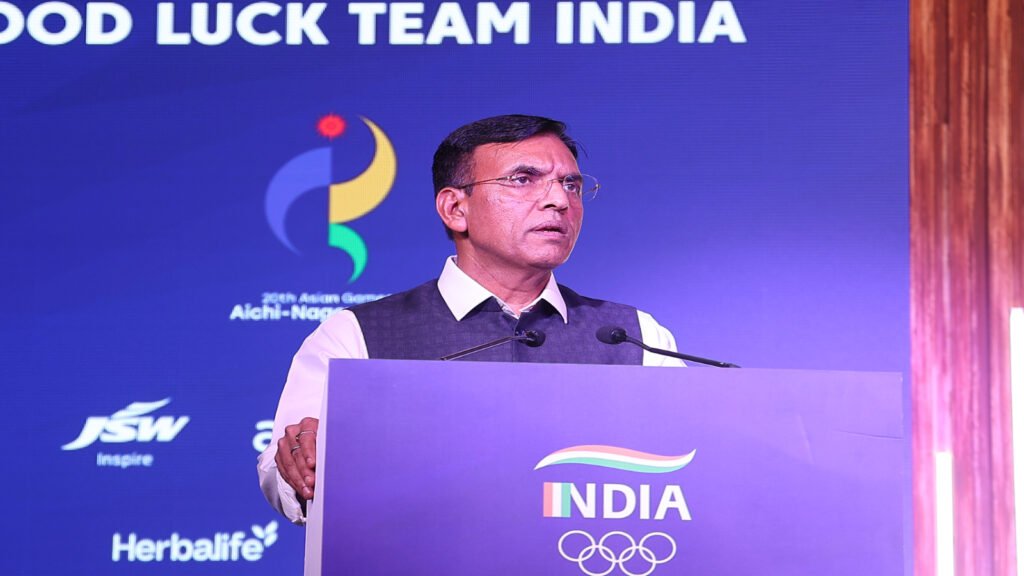
Sports Minister Mansukh Mandaviya convened an urgent review with the Sports Authority of India (SAI), which maintains the Indira Gandhi Indoor Stadium (IGIS). The directive was blunt: no more improvisation, no more excuses.
SAI has been instructed to roll out mandatory Standard Operating Procedures (SOPs) for all international events within weeks, built around a single principle — zero scope for athlete discomfort.
The SOP will focus on:
Venue Hygiene: Complete elimination of bird nesting inside arenas, Strict sanitation audits of restrooms, warm-up halls, and training areas
Environmental Control: Air filtration systems to counter pollution spikes, Improved temperature regulation to address extreme cold or heat
Security & Animal Control: Sealing vents, ducts, and access points to prevent wildlife intrusion, Dedicated response teams during competition hours.
These protocols will face their first real test at the Asian Shooting Championships (February) and Asian Weightlifting Championships (April) — both seen internally as trial runs before August’s World Championships.
“We cannot afford to be reactive anymore. This year will define how the world views India as a host nation,” a senior ministry official said.
The reforms come in response to a series of incidents at the India Open that quickly went viral and drew sharp criticism from players and officials alike.
The ‘Bird Poop’ Incident
The men’s singles match between HS Prannoy and Loh Kean Yew was halted twice after bird droppings fell onto the court from the rafters — an image that became symbolic of the tournament’s shortcomings.
Monkey in the Stands
Spectators watched in disbelief as a monkey roamed the Gold Stand. Though organizers claimed it was removed swiftly, players were unimpressed. Denmark’s Mia Blichfeldt publicly described the conditions as “unacceptable and highly unprofessional,” citing unhygienic training halls and freezing temperatures.
The Pollution Withdrawal
World No. 3 Anders Antonsen pulled out of the tournament for the third consecutive year, opting to pay a $5,000 BWF fine rather than compete in “Hazardous” air conditions, with AQI levels exceeding 350.
While An Se-young and Lin Chun-yi walked away with titles, their victories were overshadowed by concerns that go far beyond badminton.
The BWF has retained Delhi as host for the World Championships in August, but with a clear warning: the organizational gaps exposed at the India Open must be decisively addressed.
Winter smog will no longer be an excuse in summer — but heat, humidity, and logistics will present a new set of challenges. The newly mandated SOPs are no longer paperwork exercises; they are now India’s global audition.
Source: Hindustan Times, TOI, The Indian Express,