IPL Needs More Of Science’s Booster Dose

The image of Lungi Ngidi lying motionless on the turf during an Indian Premier League 2026 match was more than just a moment of sporting concern—it was a warning. Attempting a routine catch, Ngidi lost balance, fell backward, and struck the back of his head on the ground, prompting an ambulance rush, a halted game, and league-wide anxiety. His injury and subsequent hospitalization underlined an uncomfortable truth: elite cricket, especially in high-intensity tournaments like the IPL, is pushing the human body to its limits.
What needs attention is that it is not an isolated incident. There have been multiple instances of severe injuries during IPL matches in the recent years. Some of these are as follows:
- Lucknow Super Giants’ Mayank Yadav was forced out of the IPL 2024 season after sustaining a side strain.
- In the IPL 2019 Final, Shane Watson had injured his left leg while diving for a run. It occurred during the chase against the Mumbai Indians. His knee was bleeding, but he hid the wound and continued to bat.
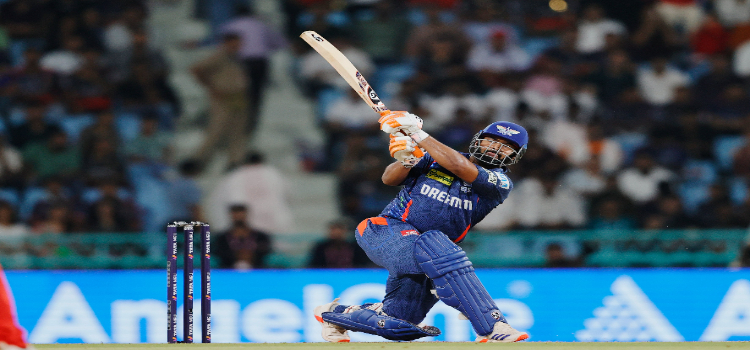
- KL Rahul tore his right thigh tendon in 2023, in a match against RCB. He hurt himself while sprinting to stop a ball in the outfield.
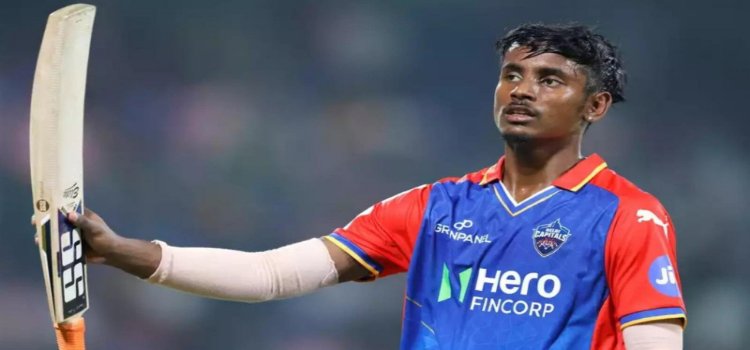
- In IPL 2026 Ayush Mhatre had struck 201 in six matches for the Chennai Super Kings. He was flourishing until he injured his left hamstring. He hurt himself while attempting a second run during a match against SRH. Despite being in pain, he continued to bat. He was eventually ruled out of the season.
These are only a few instances of what toll IPL takes on the players, beyond its glitz and glamour. Given its popularity, it isn’t pragmatic to call off the tournament. But what can be prioritised is strength training and preventive sports science.
The T20 body: built for speed, not resilience?
The modern cricketer, particularly in T20 leagues like the IPL, operates in a high-intensity, high-frequency environment. Matches come every 48–72 hours, travel schedules are punishing, and the physical demands have evolved dramatically. Fast bowlers sprint repeatedly, fielders dive and twist explosively, and batters rely on rapid rotational power.
Yet, while cricket has embraced analytics, biomechanics, and data-driven strategy, physical preparation has not always kept pace with the demands. The Ngidi incident—stemming from a loss of balance and uncontrolled fall—highlights a key sports science concern: neuromuscular control under fatigue.
Fatigue compromises coordination, body awareness, and reaction time. In such a state, even routine movements—like tracking a high ball—become injury risks. This is precisely where structured strength and conditioning programmes play a decisive role.
What IPL Franchises claim?
Each IPL team, according to reports, employs a multidisciplinary team to:
- Monitor player statistics: This helps to identify warning signs of fatigue or injury.
- Design holistic coaching strategies: These balances recovery and match readiness.
- Use cricket analytics: To assess injury trends and implement preventive measures.
Franchises also claim of using advanced biomechanics to analyze a player’s movements. Be it poor bowling actions, improper fielding techniques, or faulty batting stances that could cause injuries, everything is monitored. Corrective drills are introduced based on these outcomes.
What’s the need of the hour?
Even if strength training is no longer optional for the IPL teams, more emphasis should be laid on modern technology to ensure injury-free matches. Modern sports science identifies three pillars of injury prevention:
- Eccentric strength and deceleration control
Many injuries occur not during movement, but while stopping or absorbing force. Fielders chasing a catch or bowlers landing after delivery need strong posterior chains (hamstrings, glutes, lower back) to control momentum. Without this, falls become uncontrolled—like in Ngidi’s case.
- Core stability and balance
A strong core is fundamental to stability. It governs balance during awkward body positions—back-pedalling, turning mid-air, or landing off-centre. Weak core musculature increases the risk of falls and head injuries.
- Neck strength and concussion resilience
In contact sports like rugby, neck strengthening is standard to reduce concussion severity. Cricket is now facing similar realities. A stronger neck can reduce the acceleration forces on the brain during impact—something that could be crucial in incidents like Ngidi’s.
- Preventive measures
Beyond strength training, preventive protocols must be non-negotiable in tournaments like the IPL.
Load management: Fast bowlers are especially vulnerable. Micro-fatigue accumulates over matches, reducing motor control. Without proper workload monitoring—tracking overs, sprint distances, and recovery markers—injuries become inevitable.
Recovery science: Sleep, nutrition, hydration, and active recovery sessions are not luxuries. They are performance determinants. Research consistently shows that sleep deprivation alone can significantly increase injury risk by impairing reaction time and coordination.
Prehabilitation routines: Dynamic warm-ups, mobility drills, and activation exercises are designed to “prepare the body for chaos.” Skipping them, especially in back-to-back fixtures, is a silent risk factor.
Concussion protocols: The IPL’s adherence to ICC concussion rules in Ngidi’s case is a positive step. ICC mandates a mandatory seven-day stand down period for any player with concussion. Though Ngidi was discharged from hospital, he was forced to skip matches. This is necessary for player’s health.