India Sri Lanka Test Series Full Of Unknowns
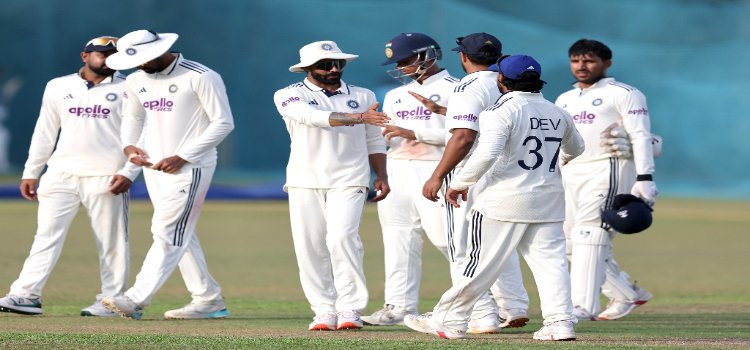
India and Sri Lanka begin their two-Test series on August 15 with both sides entering unfamiliar territory, having not played a Test against each other in Sri Lanka since 2017 and carrying fresh questions about their red-ball future.
The long gap has transformed the rivalry. When the teams last met in Sri Lanka, Wriddhiman Saha was India’s wicketkeeper, Cheteshwar Pujara occupied No. 3 and Upul Tharanga opened for the hosts.
Since the beginning of 2018, India have played 16 internationals in Sri Lanka, but none have been Tests.
A Rivalry That Has Changed
Between 2010 and 2017, India and Sri Lanka played 26 internationals in Sri Lanka, including nine Tests.
The modern schedule, however, has taken India towards more commercially significant bilateral contests, while Sri Lanka have struggled to secure regular Test cricket.
That lack of recent red-ball meetings means both teams have limited experience of each other’s current strengths in Sri Lankan conditions.
Sri Lanka captain Dhananjaya de Silva has evolved from a promising young batter into a leader who has repeatedly called for more Test cricket. India’s Shubman Gill, meanwhile, has gone from teenager to captain, tasked with restoring India’s Test standards.
Gill Faces Test Without Bumrah
Gill’s first major challenge will be managing an attack missing Jasprit Bumrah, whose absence leaves India without their premier pace option.
Only Ravindra Jadeja and Kuldeep Yadav among India’s likely bowling attack have previously played a Test in Sri Lanka, leaving the younger members with a significant challenge in unfamiliar conditions.
If Sri Lanka’s batters can withstand India’s spin threat for extended periods, the hosts could put pressure on the young Indian captain.
Sri Lanka’s Bowling Concerns
De Silva has an even more difficult task with his bowling resources.
Lead spinner Prabath Jayasuriya has not produced overwhelming numbers at home, while Sri Lanka struggled to take 20 wickets during their recent Test series in the West Indies.
The hosts also went a year without Test cricket before returning for the June series in the Caribbean, limiting opportunities to develop a settled red-ball bowling unit.
Dilshan Madushanka’s return adds left-arm pace and swing, but his lack of recent long-format cricket makes him another unknown.
Both Teams Need A Revival
The series also carries major World Test Championship implications.
India sit fifth and Sri Lanka sixth in the standings after disappointing starts to their campaigns. Neither side can afford another poor series if they hope to challenge for one of the top two positions.
India still face difficult assignments against New Zealand away and Australia at home, while their once formidable home record has suffered defeats against New Zealand and South Africa.
Sri Lanka, meanwhile, need to turn their home advantage into consistent results after struggling for regular Test opportunities.
For both teams, the series represents more than another bilateral contest. It is an opportunity to discover new heroes, test new combinations and begin rebuilding their Test identities.
For once, an India-Sri Lanka Test series arrives not with familiar certainty, but with genuine intrigue and plenty of unknowns.