Task Force Led by Abhinav Bindra Submits Report on Overhauling India’s Sports Governance
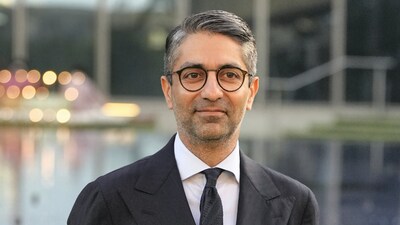
A task force led by Olympic Gold Medalist Abhinav Bindra, set up by the Ministry of Youth Affairs and Sports, has submitted a detailed 170-page report highlighting “systemic deficits” in India’s sports administration.
The report underscores the challenges faced by the Sports Authority of India (SAI), National Sports Federations (NSFs), and state departments, pointing to “inadequate and ill-equipped” athletes in governance roles.
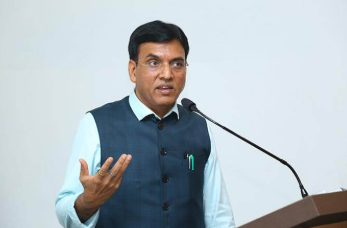
The Task Force has called for the creation of an autonomous statutory body, which would include specialized training for athletes transitioning into administrative positions. The report was submitted to Sports Minister Mansukh Mandaviya on Tuesday, who assured that all the recommendations will be implemented to reform the current system.
Key Findings and Recommendations:
- Creation of the National Council for Sports Education and Capacity Building (NCSECB): To address the gaps in sports governance, the Task Force recommends the establishment of NCSECB under the Ministry of Youth Affairs and Sports. This body would regulate, accredit, and certify training for sports administrators, addressing the lack of a professional cadre and outdated training programs within the system.
- Lack of Preparedness Among Athletes for Governance Roles: One of the critical points highlighted by the report is that many athletes, after retiring, are “ill-equipped” to take on administrative roles. The Task Force pointed out the absence of a structured pathway for athletes that combines elite performance with education, leadership, and governance skills. The report emphasizes the need for a Dual Athlete Career Pathway that ensures athletes are prepared for post-sport leadership roles.
- Strengthening Governance in National Sports Federations (NSFs): The Task Force flagged the over-centralization of authority in NSFs as a significant governance issue. In many federations, the President exercises disproportionate control, which hampers transparency, accountability, and effective leadership development. The panel recommended a clearer separation of governance and operations, as well as the appointment of full-time CEOs and domain-specific directors to enhance efficiency.
- Integration of Civil Service Training: Another major recommendation is the integration of sports governance modules into the training of Indian Administrative Service (IAS) and state cadre officers. The report suggests that civil service academies should include structured sports governance training to better equip bureaucrats for handling sports-related responsibilities at both the national and state levels
- Capacity Building for SAI and State Departments: The Task Force heavily scrutinized the Sports Authority of India (SAI) and state sports departments, both of which are considered the backbone of India’s sports administration. The report calls for capacity building in these institutions to ensure professionalism, efficiency, and improved governance. It also pointed out that these organizations are underfunded and understaffed, as noted by the parliamentary standing committee on sports.
Bindra’s Vision for Reform
In the preface of the report, Abhinav Bindra described the findings as both “diagnostic and prescriptive,” identifying the structural, functional, and systemic issues hindering effective sports governance in India. “This report is not just an analysis but also a roadmap for transformation,” Bindra stated. “The recommendations aim to address the gaps and build a framework that ensures the long-term growth and success of Indian sports.”
Bindra added that the task force engaged deeply with various stakeholders, including athletes, government officials, SAI administrators, representatives from NSFs, state functionaries, academic experts, and international institutions, to develop the comprehensive recommendations.
To illustrate the importance of training, the report referenced global success stories, citing figures like Sebastian Coe, Olympic middle-distance champion and current president of World Athletics; Thomas Bach, former Olympic fencing gold-medalist and current IOC president; and Kirsty Coventry, Olympic swimming champion and IOC member. These leaders transitioned from successful athletic careers into governance roles, with proper training playing a significant role in their effectiveness.
A Roadmap for Reform
The report’s wide-ranging mandate also included evaluating the current administrative framework of key institutions, including SAI and the NSFs. The recommendations aim to address the immediate need for structural reforms and provide a sustainable pathway for athletes and administrators alike.
The Sports Ministry is now tasked with implementing the Task Force’s suggestions, which could mark the beginning of a new era for sports governance in India. If adopted, these reforms are expected to enhance the professionalism and efficiency of India’s sports administration, ultimately contributing to better performance at international sporting events.