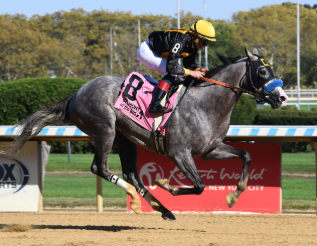
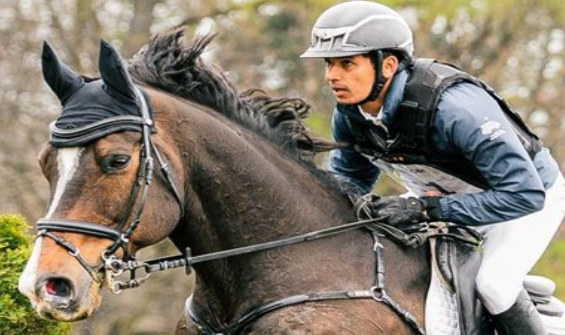
A series of serious fall-related incidents over recent months has reignited concerns about the safety of jockeys in professional horse racing. It’s not just isolated accidents — the pattern has prompted industry stakeholders to re-evaluate the framework of protections afforded to those riding at top levels.
One core worry centers on track surfaces and layouts. Some riders feel the speed and bounce of modern courses leave little margin for error. When a mount stumbles at high velocity, the resulting fall often gives the jockey almost no time to regain control or brace for impact. With injuries rising, many are pressing for a fresh look at how tracks are prepared and maintained.
There’s also renewed scrutiny of equipment and gear standards. While protective vests and helmets are mandatory, the force of a fall from 30 mph or more means that even the best gear can be pushed beyond its limit. Conversations are underway about whether advancements in materials and technology could offer better injury mitigation — especially when riders land awkwardly or get tangled in the action post-fall.
Beyond hardware, medical response and trackside protocols are emerging as critical factors**. Quick reaction times, well-trained medical crews, and robust evacuation plans can mean the difference between a short-term injury and a career-ending one. The racing community is now pushing for consistent standards across events, not just the marquee races.
The human element is significant. Riders speak of the psychological toll — knowing that a single misstep can have dramatic consequences. Some veteran jockeys are advocating for better education around risk, recovery and mental support after falls. After all, a top ride today could turn into a long recovery tomorrow.
The message from the sport: success and speed must be balanced with safety and sustainability. As the winter season approaches, officials, trainers and jockeys alike are facing the same question — how to preserve the thrill of the ride while ensuring everyone gets to the finish line safely.