Tensions at Caranzalem: When Sport, Sea, and Livelihood Collide
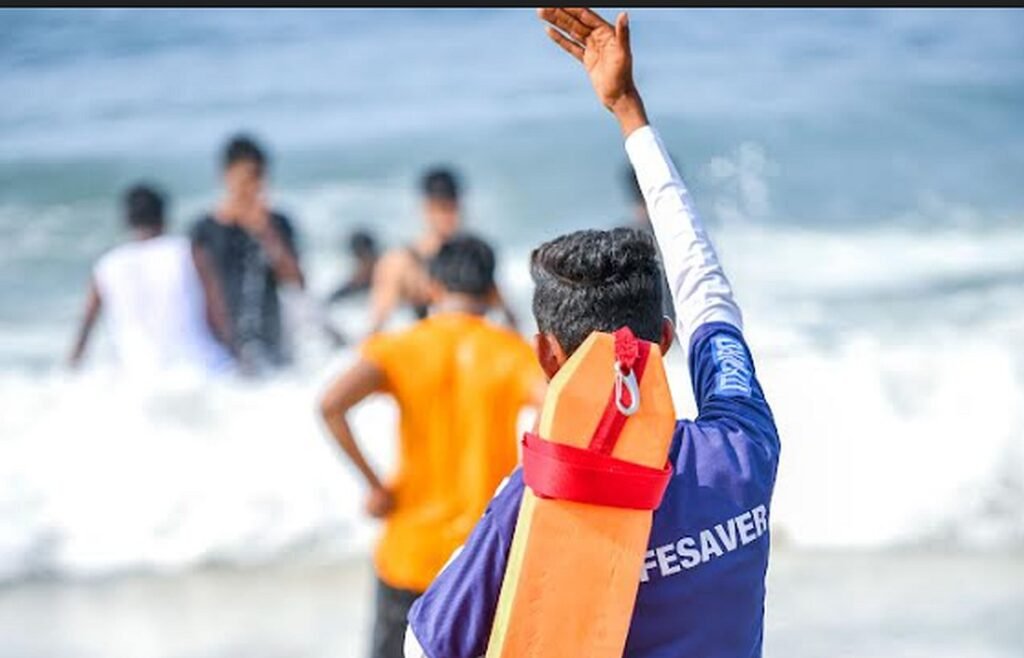
Goa: On a bright Sunday morning at Caranzalem beach, the sea was meant to roar with the excitement of an international open-water swimming event, Oceanman. Hundreds of children and adults had gathered, goggles on, spirits high, ready to conquer the waves. But the thrill soon turned to panic. Nets began appearing where swimmers were cutting through the water, and the joyous splash of swimmers became a frantic scramble for safety.
Parents watched in horror as their children got entangled in fishing nets, some sustaining minor injuries. “There were about 400 to 500 kids in the sea, and suddenly the fishermen started pulling their nets. Kids got tangled and sustained injuries. We were clueless about what to do,” said one Mumbai parent, voice still trembling. Another participant, Gaurav, echoed the frustration: “The fishermen told us that the organiser neither took permission from them nor gave any notice. When our event started, they began their work.”
For the fishermen, the intrusion into their daily livelihood was deeply personal. “The organiser has not taken a single permission from the authorities. Despite our warnings, they went ahead with the event,” said one local fisherman. To them, it was not just about sport, but survival. Caranzalem has long been home to families who rely on the sea for their sustenance, their lives intertwined with its rhythm and tides.
The clash reflects a broader tension in Goa—a state where tourism and sports-driven events often brush up against local communities’ traditional livelihoods. Vehicles parked on the sand, swimmers in nets, and the lack of coordination with locals highlighted how easily well-intentioned events can spiral into chaos. Francis Vaz, President of the Caranzalem Ramponkar Association, voiced the community’s frustration: “Government knows that fishing is done here… How can you give permission to carry out activities without informing locals?”
Kapil Arora, the organiser, defended the event, claiming all permissions had been obtained from the relevant authorities, including the Goa Coastal Zone Management Authority and the North Goa Collector. He said the police and tourism department had been informed and that a fee of Rs 1 lakh had been paid to GCZMA. Yet, for participants and locals alike, the morning left more questions than answers.
Authorities are now investigating, and the Goa Police have registered a case against Arora for allegedly conducting the event without proper permissions. But for those on the beach that morning—the children, parents, and fishermen—the incident is more than just a matter of legality. It is a reminder of the delicate balance between ambition and caution, between sport and livelihood, between the thrill of the sea and its silent, patient guardians.
The Oceanman incident is a story of clashing worlds: tourism’s push for spectacle, the local community’s struggle to protect their way of life, and the vulnerability of those caught in between. As Goa continues to promote itself as a hub for international sporting events, the Caranzalem episode may serve as a wake-up call: in the race for glory, no one should be left adrift.