McLaren’s Biggest Strength Has Disappeared: Why the Champions Are Facing a Tougher F1 Challenge in 2026
McLaren’s Biggest Strength Has Disappeared: Why the Champions Are Facing a Tougher F1 Challenge in 2026
After dominating Formula 1 in 2025 with exceptional tyre management and race pace, McLaren has acknowledged that one of its greatest competitive advantages has disappeared in the 2026 season. The team believes the new technical regulations have significantly altered the way tyres behave, making it much harder to replicate the performance that helped deliver both the Drivers’ and Constructors’ Championships last year.
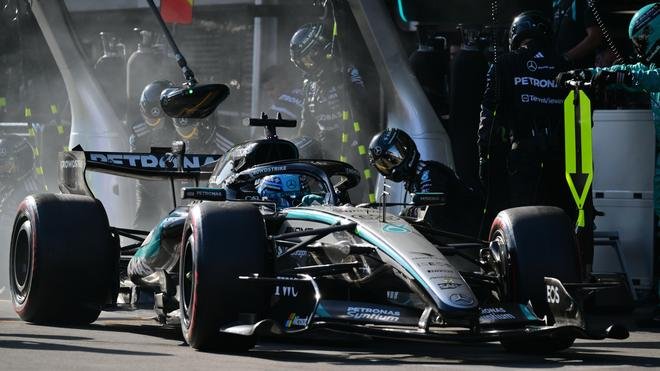
McLaren’s 2025 title-winning campaign was built around its remarkable ability to keep rear tyre temperatures under control during long race stints. While rivals struggled with degradation, McLaren drivers could maintain competitive lap times without excessively wearing their tyres. That advantage often allowed the team to execute flexible race strategies and finish races strongly.
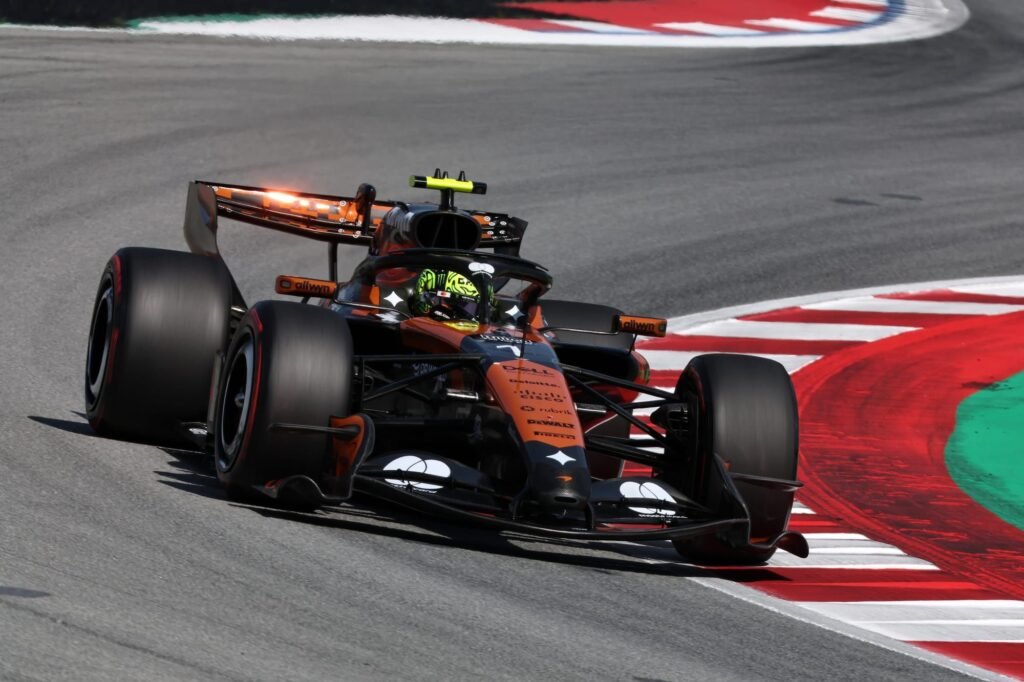
However, the 2026 Formula 1 regulations have changed the competitive picture. With redesigned cars, reduced aerodynamic downforce and different tyre operating characteristics, McLaren has found it difficult to preserve the same level of tyre performance. As a result, the team no longer enjoys the clear edge it once had in managing tyre degradation.
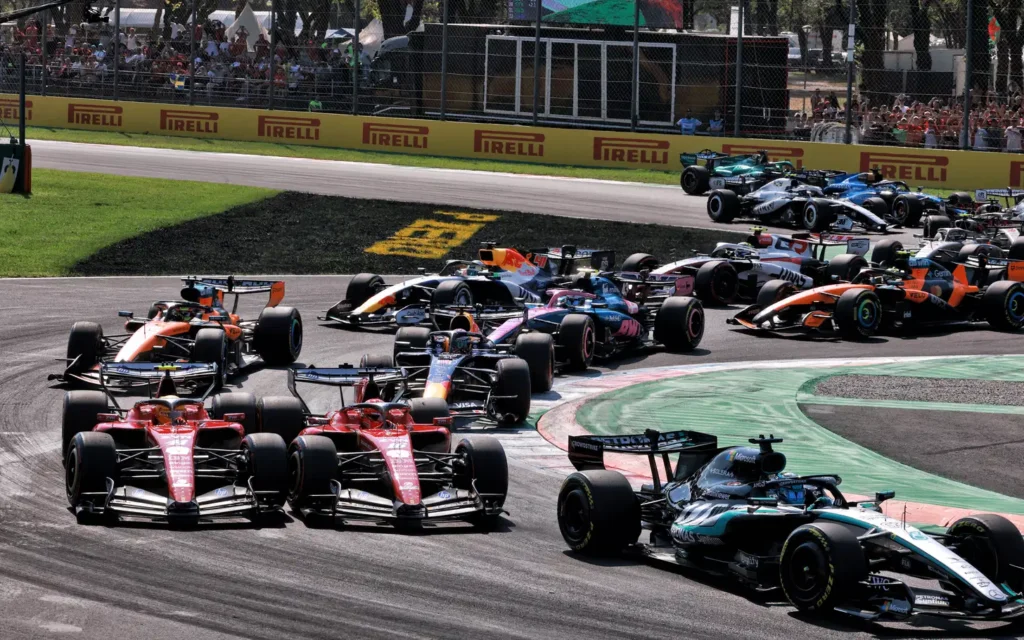
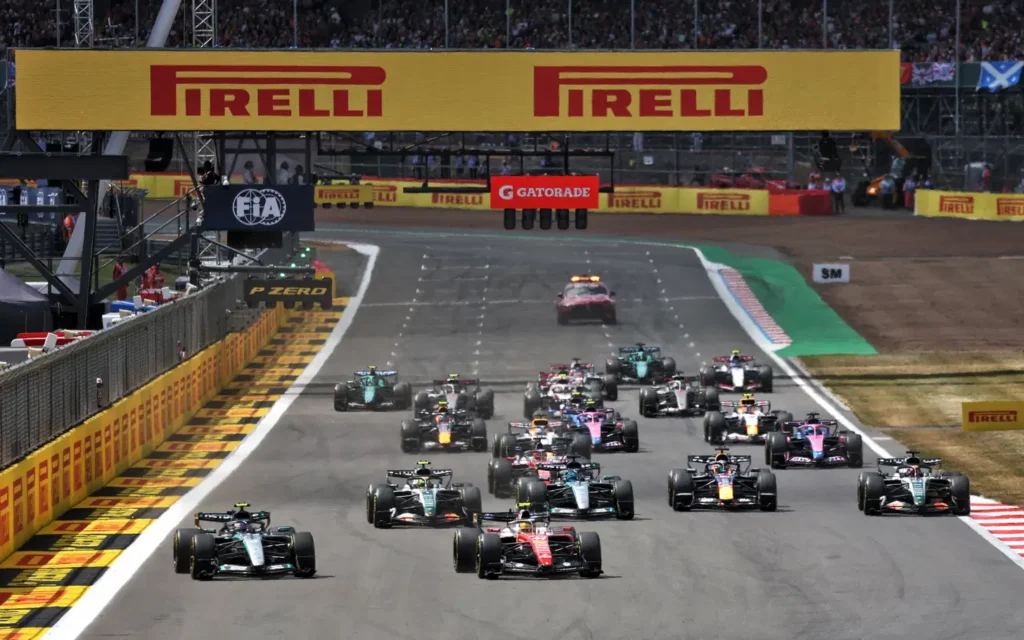
World Champion Lando Norris admitted that the current McLaren often requires drivers to push harder just to stay with front-running rivals. That extra effort overheats the tyres, creating a vicious cycle in which the car becomes even more difficult to manage over a full race distance. Meanwhile, Mercedes and Ferrari appear capable of maintaining strong pace while placing less stress on their tyres.
The challenge is expected to be particularly evident at circuits like Barcelona, where tyre degradation traditionally plays a decisive role in race strategy. Norris believes McLaren can remain competitive over a single qualifying lap, but sustaining that speed throughout an entire Grand Prix has become far more difficult.
Team Principal Andrea Stella explained that the loss of this advantage is not the result of a single design flaw but rather the sweeping technical changes introduced for the new era of Formula 1. According to Stella, adapting to the revised regulations has become one of McLaren’s biggest engineering priorities as the team works to regain the consistency that defined its championship-winning campaign.
Despite the setback, McLaren remains confident that the problem can be addressed through continued development. The team believes understanding the new regulations and improving tyre performance will be crucial if it hopes to return to the front of the grid and defend its titles against rapidly improving rivals.
As Formula 1 enters a new technical era, McLaren’s journey highlights how quickly success can be reshaped by regulation changes. The challenge now is not only to build a fast car but to rediscover the tyre management that once made the papaya team the benchmark of the sport.