Technology is no longer just an added advantage in sport—it has become central to how athletes train, recover and perform. From grassroots setups to elite international teams, wearables and data analytics are reshaping modern sports training in ways that were unimaginable even a decade ago. What was once based largely on intuition and experience is now driven by precise data and real-time feedback.
The Rise of Wearable Technology
Wearable devices have become a common sight across sports. From GPS trackers in football and hockey to smartwatches used by runners and cyclists, these tools are constantly collecting data on an athlete’s movement, heart rate, speed and workload.
This information allows coaches and support staff to monitor players more closely than ever before. Training sessions are no longer just about completing drills—they are about understanding how the body responds to each effort. Even small changes in performance can now be detected early, helping athletes make adjustments before issues arise.
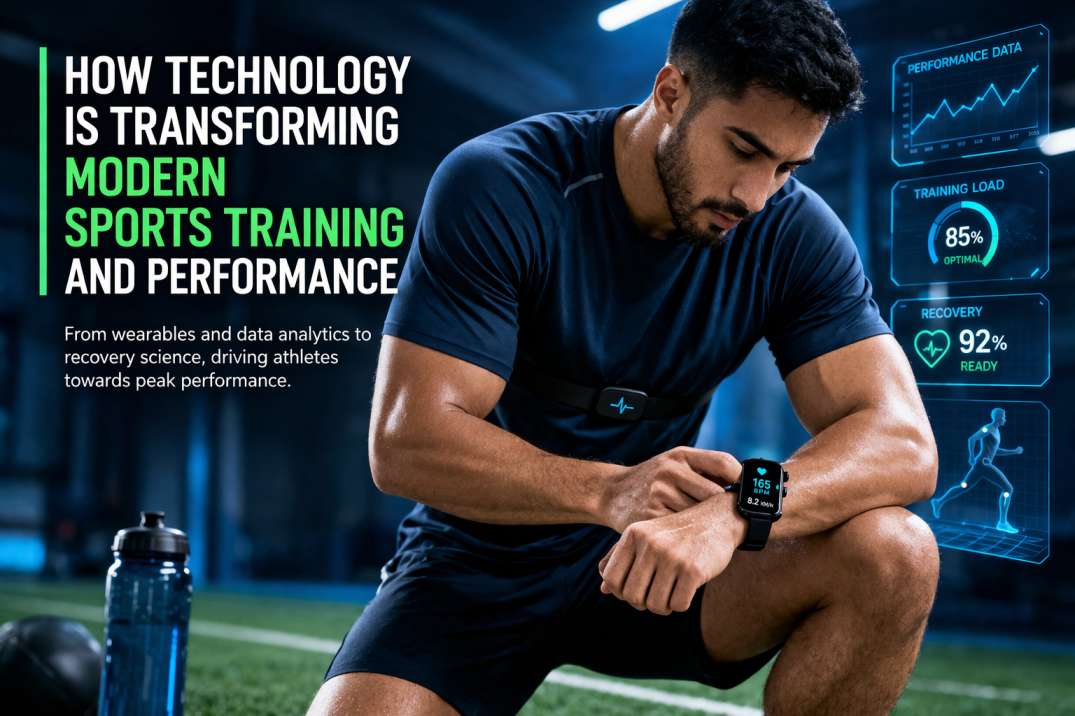
In team sports, wearables also help track collective performance. Coaches can analyse how players move on the field, how much distance they cover and how their intensity levels change during a match. This has added a new layer of strategy and planning.
Data Analytics Driving Smarter Decisions
The data collected from wearables is only useful when it is properly analysed. This is where data analytics plays a crucial role. Advanced software tools process large volumes of information to identify patterns and trends that might otherwise go unnoticed.
Coaches now rely on these insights to make informed decisions about training intensity, match preparation and player selection. For example, if data shows that an athlete is experiencing fatigue, training loads can be adjusted to prevent overexertion.
In endurance sports like marathon running and cycling, analytics help athletes fine-tune their pacing strategies. In high-intensity sports, it helps in managing workload and maintaining peak performance levels throughout a season.
The use of analytics has also made performance comparisons more accurate. Athletes can measure their progress over time and set realistic targets based on data rather than guesswork.
Focus on Injury Prevention and Recovery
One of the biggest benefits of technology in sports is its role in injury prevention. By monitoring workload, movement patterns and physical stress, teams can identify early signs of fatigue or strain.
This proactive approach helps reduce the risk of serious injuries, which can otherwise sideline athletes for long periods. Recovery has also become more structured, with data guiding decisions on rest periods, rehabilitation exercises and return-to-play timelines.
Technologies such as cryotherapy, muscle stimulation devices and recovery tracking apps are now widely used. These tools ensure that athletes recover efficiently and are ready for the next challenge.
Personalised Training Programs
No two athletes are the same, and technology has made it easier to recognise that. Training programs are now tailored to individual needs, taking into account factors such as fitness levels, playing style and injury history.
Coaches can design sessions that maximise an athlete’s strengths while addressing weaknesses. This personalised approach not only improves performance but also keeps athletes motivated and engaged.
Young athletes, in particular, benefit from this system, as it allows for gradual and sustainable development.
The Road Ahead
As technology continues to evolve, its influence on sports will only grow stronger. Artificial intelligence, machine learning and advanced sensors are expected to take performance tracking to the next level.
While the human element of sport will always remain important, the role of technology in supporting athletes cannot be ignored. It is helping push boundaries, improve safety and bring a new level of professionalism to sports.
In today’s competitive environment, staying ahead often comes down to how well teams and athletes use the tools available to them—and technology is clearly leading the way.

 Vishesh Shukla
5 Aug 2026 · 3:16 PM IST
4 min read
1 Read
Vishesh Shukla
5 Aug 2026 · 3:16 PM IST
4 min read
1 Read