Manchester United Move Closer To Michael Carrick Appointment; Neuer Extends Bayern Stay
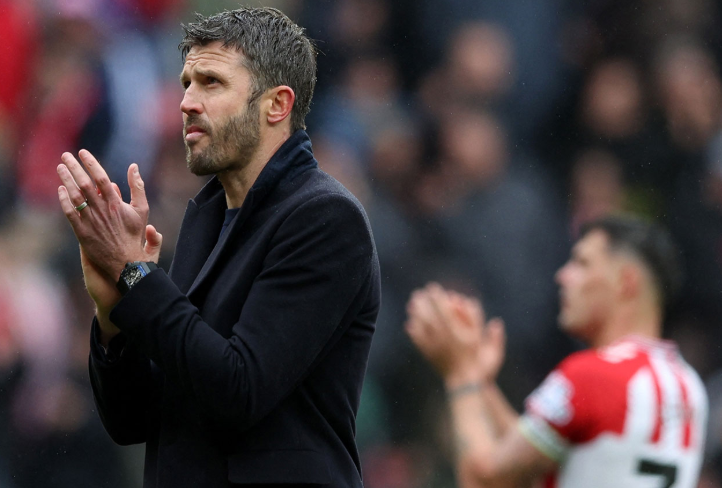
Manchester United F.C. are edging closer to appointing Michael Carrick as their permanent manager after an impressive turnaround under the former midfielder’s interim leadership. Reports suggest discussions over a long-term contract are now at an advanced stage.
Carrick’s impact since taking charge has dramatically shifted the mood around Old Trafford. After a turbulent period that saw inconsistency, dressing-room uncertainty, and pressure mounting on the club hierarchy, United have rediscovered structure and belief under the 44-year-old.
What has particularly impressed the board is not just the results, but the calmer identity Carrick has brought to the team. Players appear more tactically organised, senior stars have regained confidence, and younger talents are being integrated with greater clarity.
Former United players and supporters have also rallied behind Carrick, seeing him as someone who understands the club’s culture rather than another short-term external appointment. His success has reignited debate over whether elite clubs should place greater trust in managers with deep institutional connections.
The challenge, however, will only intensify if he is officially appointed. Manchester United’s long-term rebuilding project still requires major improvements in recruitment consistency, squad balance, and defensive reliability.
Meanwhile in Germany, Manuel Neuer has extended his stay with FC Bayern Munich until 2027, continuing one of the most iconic player-club relationships in modern football.
At 40, Neuer remains one of football’s defining goalkeepers. His influence extends far beyond shot-stopping, with his sweeping style fundamentally reshaping how modern keepers operate. Bayern’s decision to retain him highlights the club’s continued faith in his leadership, experience, and tactical intelligence.
Neuer’s extension also reflects a broader trend among elite European clubs valuing continuity and dressing-room leadership during periods of transition. Even as football becomes younger and faster, experienced figures capable of managing pressure remain invaluable.
For Bayern, keeping Neuer ensures stability while younger players continue adapting to evolving tactical demands under the current system.
Together, both developments underline a common theme in European football — trust in familiar figures who embody club identity during moments of uncertainty and transformation.