VR Revolution: Simulating IPL Pressure for Peak Performance
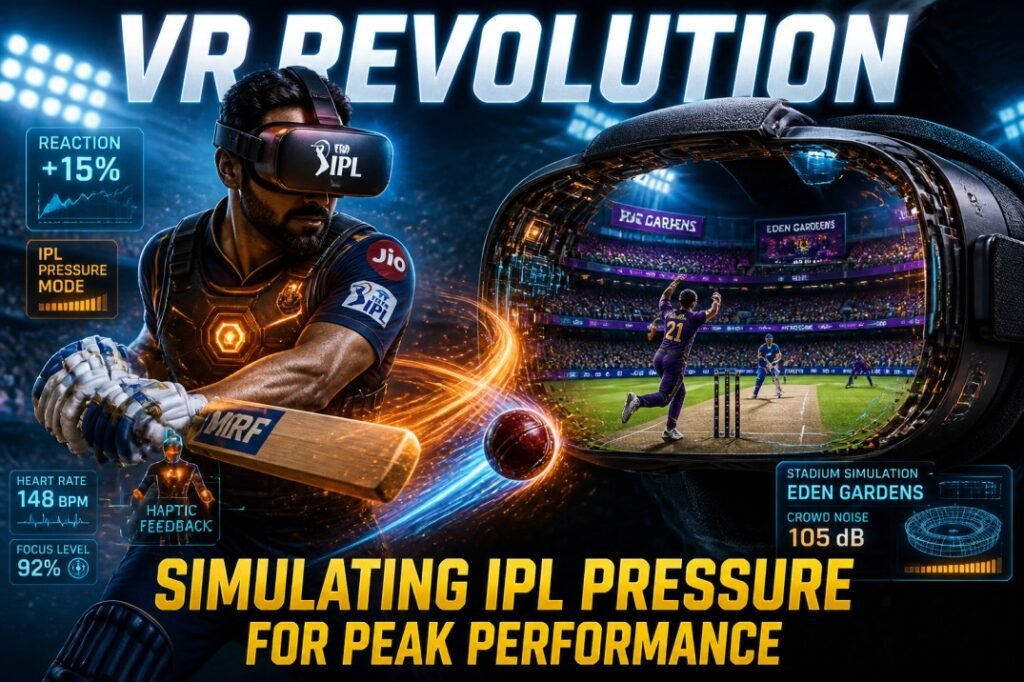
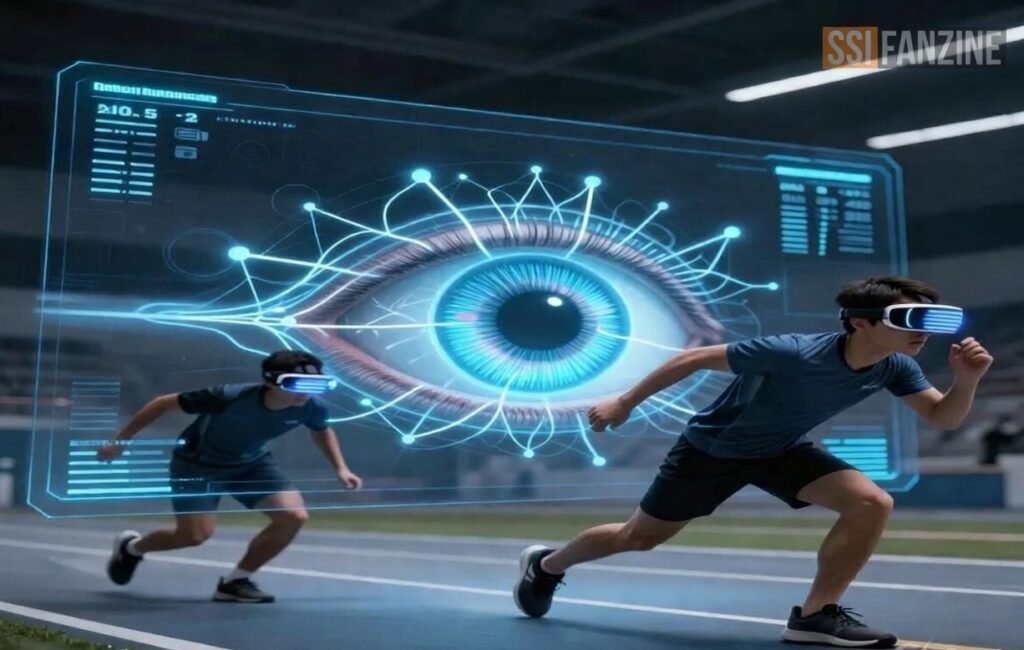
In the high-stakes arena of modern sports, where milliseconds and mental edge decide victories, VR/AR immersive training simulations have emerged as a game-changer. These technologies transport athletes into hyper-realistic virtual environments, allowing them to practice under simulated match pressure without the physical toll of endless drills. As IPL 2026 intensifies with packed schedules, Indian cricketers are leveraging VR to sharpen batting, bowling, and fielding in ways traditional nets never could.
The Tech Powering Immersive Simulations
VR headsets like Meta Quest integrate with AI-driven software to recreate stadium roars, variable pitches, and dynamic opponents, while AR overlays real-time analytics on live sessions. Haptic vests deliver feedback on impacts, boosting sensory immersion. Platforms such as Sense Arena and CricketX use motion tracking for precise skill drills, with studies showing 10-20% gains in reaction time and decision-making.
Will Brass, Premier League’s Chief Commercial Officer, highlights VR’s potential: “Rezzil are highly respected… with training products used by many Premier League clubs alongside leading sports teams worldwide.”
Key Benefits for Athletes
Athletes rack up thousands of “reps” safely, honing techniques like cover drives against swing variations or doosras in VR cricket scenarios. This cuts overtraining injuries by 20-30% and builds mental resilience against crowds, vital for IPL chases at Eden Gardens. Unlimited access levels the field for rural talents, accelerating skill acquisition.
For kabaddi raiders, VR simulates do-or-die raids with opponent AI adapting in real-time, mirroring Pro Kabaddi League intensity. A University of Birmingham study found VR batting practice improved performance by up to 10%, while Oxford research noted 20% bowling accuracy boosts.
Real-World Success Stories
Premier League clubs use Rezzil’s VR, fed by match data, to replay scenarios—enhancing tactical prep for high-pressure games. India’s 2017 cricket team pioneered with Microsoft HoloLens for batting visuals, paving the way for NCA adoption in talent ID.
CricketX equips batsmen with smart hardware for shot analytics on any delivery type, used by pros for IPL prep. Globally, NFL’s 49ers and NBA’s Mavericks report tactical gains up to 20%.
Michal Pěchouček, Sense Arena co-founder, notes: “After three months… 10-15% improvement in cognitive and physical abilities specific to hockey,” a model now crossing to cricket.
Indian Context: IPL and Kabaddi Edge
IPL teams integrate VR for death-over simulations, helping finishers like Rinku Singh visualize yorkers amid virtual cheers. NCA’s VR labs scout biomechanics in village trials, democratizing elite training. Kabaddi’s scientific camps in Bellary hint at VR’s next frontier for raid precision.
Future Outlook and Challenges
By 2032, the sports AR/VR market will boom, blending with wearables for hybrid training. Ethical hurdles like data privacy and access equity loom, but India’s tech hubs position it as a leader. For SSI Fanzine readers, VR isn’t hype—it’s the science scripting tomorrow’s champions.