Bare-Knuckle Boxing’s Rise Sparks Safety Debate

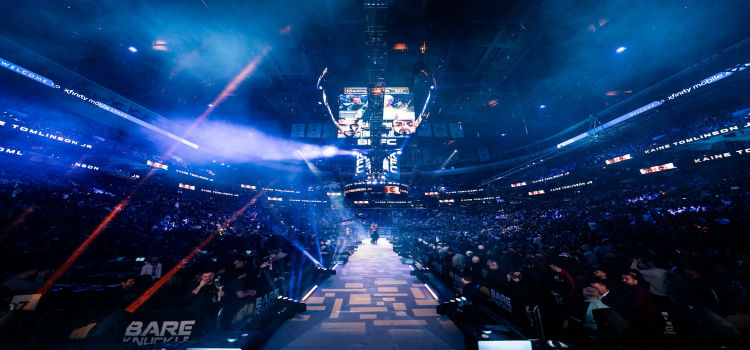
Bare-knuckle boxing, a raw and bloody version of the sport once known as “the noble art”, is back in the spotlight. The ungloved form of fighting is one of the oldest combat traditions, yet it is now a newly recognised sanctioned sport in the UK. On Saturday, Derby’s Vaillant Live Arena will stage a Bare Knuckle Fighting Championship (BKFC) event — the first of its kind in the region. The move has reignited a fierce debate about safety and responsibility.
Calls For A Ban
Headway, the brain injury charity, has renewed its demand for the sport to be banned. The organisation called the upcoming show “irresponsible”, warning that the risks are too great. But promoters and fighters insist the danger is often misunderstood. They say the stigma comes from underground, unregulated scraps rather than the sanctioned events now being staged.
Rising Profile And Shifting Attitudes
BKFC UK president Andrew Bakewell argues the sport is evolving beyond its brutal reputation. With Conor McGregor holding a stake in BKFC and Olympic champion James DeGale fighting bare-knuckled earlier this year, interest has surged. According to Bakewell, “lack of knowledge” fuels many concerns, and regulated bare-knuckle events differ from the cinematic violence seen in films like Snatch or Fight Club.
How Safe Is It?
The sport’s supporters and critics continue to clash over safety. A 2021 study led by BKFC chief medical officer Dr Don Muzzi reported that 2.8% of 282 fighters studied experienced concussion symptoms after a bout. In comparison, concussions in gloved boxing were recorded at 12.3% in a separate investigation into modern boxing injuries. However, bare-knuckle fighters face far more cuts and hand injuries. Dr Louis Durkin, a long-time ringside physician, says the overall risk profile differs because the pain of a bare fist shortens fights. Most bouts last 2.7 rounds of the scheduled five, and fighters rarely go the distance.
Shorter Fights, Harder Hits
Dr Durkin explains that bare fists deliver more painful impacts, but exposure time is lower. Fighters often take a knee once the damage builds, unlike in traditional boxing where they absorb more cumulative blows. By contrast, the recent 12-round heavyweight title fight between Jeamie Tshikeva and Frazer Clarke lasted 36 minutes. Bare-knuckle rounds are shorter and fewer.
Sanctioning And Structure
BKFC events in Britain operate under the International Sport Karate and Kickboxing Association (ISKA), not the British Boxing Board of Control. The first sanctioned US fight in more than a century happened only in 2018. Bakewell says events are run with full medical supervision: pre- and post-fight checks, three doctors, two paramedics and two ambulances on-site. “We don’t cut corners,” he says. “We expect a lot from fighters, but we want to look after them.”
‘Irresponsible’, Says Headway
Headway CEO Luke Griggs maintains that all forms of boxing should be outlawed, but sees bare-knuckle as especially concerning. He says its growing popularity “is hugely dangerous” and believes sanctioning such events sends the wrong message. He questions how such shows are approved and promoted at all.
A Fighter’s Perspective
For Derbyshire middleweight Luke Brassfield, who debuts for BKFC this weekend, the sport has been a lifeline. The 38-year-old took up boxing in the British Army and later turned professional. Struggles with mental health pushed him into his first bare-knuckle bout — a contest that ended with a single punch. Brassfield insists he is not a violent person and sees bare-knuckle fighting as a form of release. He wants to use the platform to speak about mental health and resilience. He says the cuts may look brutal, but the rawness also makes the sport compelling. “I’ve boxed with gloves for years. Now they’re off, and it’s opened a new market for me.”