Fan Violence Surges Across Europe and Latin America, Threatening the Soul of Football

Football stadiums around the world are increasingly turning into arenas of violence, where fans, players, and even families face danger. From Europe to Latin America, fan disorder is rising, leaving injuries, arrests, and sometimes deaths in its wake.
Europe: Recent Incidents Highlight a Growing Crisis
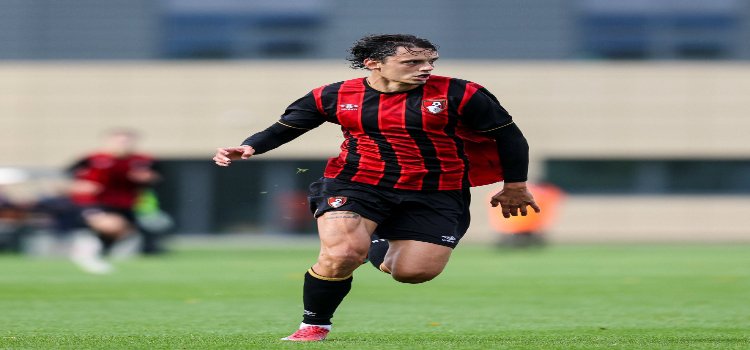
The latest flashpoint occurred this week at Aston Villa’s Europa League match against Switzerland’s Young Boys, where crowd trouble halted the game. Objects were thrown from the stands, forward Donyell Malen was injured, seats were ripped out, and police clashed with away supporters. Two fans were arrested, but the disruption highlighted a broader problem across European football.
Since the return to full stadiums after the pandemic, fan behaviour has deteriorated sharply. Arrests at matches in England and Wales reached a nine-year high, rising 14% last season and another 18% this year. Similar incidents across Europe have involved racist abuse, fireworks, and assaults, affecting clubs such as West Ham, Fiorentina, and Atletico Madrid.
UEFA does not publish full historical data, but there are currently 116 active suspended stadium bans across all competitions, including women’s and youth matches. An additional 16 bans have already been triggered and await enforcement. The most common offences include:
Lighting of fireworks – 67 cases
Racist or discriminatory behaviour – 31
Throwing objects – 25
Crowd disturbances – 12
Stadium damage – 7
Some bans stem from multiple offences, and punishments may include no away fans, partial stadium closures, or matches behind closed doors. Most are suspended for two years and are only activated if the offence is repeated.
Despite enhanced policing, surveillance, and travel restrictions, penalties often fail to deter repeat offenders, leaving clubs and authorities struggling to keep stadiums safe.
Latin America: Decades of Deadly Fan Violence
While Europe is facing a new wave, Latin America has long battled fan violence, often with far more tragic consequences.
This week, clashes between fans of Universidad de Chile and Independiente in Buenos Aires left 19 injured and resulted in over 100 arrests. Video footage showed a fan jumping from the upper stands to escape attackers, as bottles, rocks, and stadium seats were hurled through the air.
The statistics are stark:
Over 100 deaths in Argentina in the last 20 years linked to football violence
157 deaths in Brazil (2009–2019)
170 deaths in Colombia (2001–2019)
Two fans died in April in Chile during a stadium stampede
Despite laws, biometric entry, and heavy policing, violence persists. Experts say the causes include tribal fan identity, social frustration, and weak sanctions for clubs and offenders.
Experts calls stadiums spaces where fans feel “legitimate freedom to commit acts of violence, racism, and homophobia.”
Experts adds that football becomes “a channel for frustration”, turning wins and losses into matters of personal honour.
Governments have repeatedly tried new measures. Chile recently scrapped its “Safe Stadium” program after poor results and is introducing new regulations for mass events. Meanwhile, clubs are urged to professionalise their security teams rather than rely solely on police forces.
Why Fan Violence Persists Across Continents
Causes.
Ultra groups and tribal loyalty
Social and economic frustration
Weak or inconsistent sanctions
Racism, homophobia, political tensions
Post-pandemic aggression
Impacts
Fans see opponents as enemies
Stadiums used as emotional release
Repeat offences continue
Hate crimes in the stands
Violence normalized in crowds
Experts agree that punishment alone cannot solve the problem. Long-term solutions require fan education, cultural reform, and club accountability alongside policing.
The Road Ahead
Football stadiums should be places of joy, passion, and unity, but increasingly, they are becoming arenas of fear and danger. Unless governing bodies enforce consistent sanctions and fans reclaim a culture of responsibility and respect, the beautiful game risks being overshadowed by violence, injury, and tragedy.
The question is clear: Can football protect its soul before passion turns permanently poisonous?