Ronaldo’s Ban Lifted: Relief, Controversy & a Political Twist — Inside the Decision That Saved His Sixth World Cup
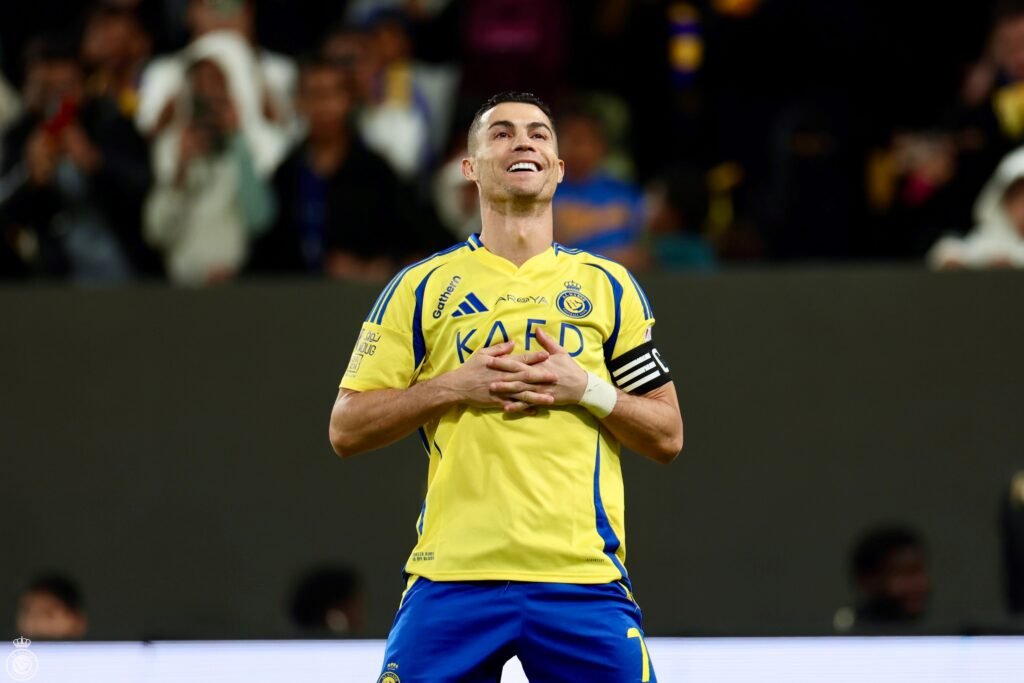
Cristiano Ronaldo has escaped a potentially career-altering ban following FIFA’s review of his recent red card for elbowing Ireland defender Dara O’Shea during Portugal’s 0-2 defeat in a World Cup qualifying match in Dublin two weeks ago. The verdict clears the 40-year-old legend to play in Portugal’s opening game of the 2026 World Cup — a development greeted with relief across the football world, but not without a ripple of controversy.
Ronaldo, who received the first red card of his 226-game international career, was handed a three-match ban for “violent conduct” or “serious foul play”. However, in what many observers call an unusually lenient application of the rules, FIFA deferred two matches of the suspension during a one-year probation period. He has already served the mandatory one-game absence during Portugal’s 9-1 demolition of Armenia that confirmed their World Cup qualification.
The decision allows Ronaldo to pursue a historic sixth World Cup appearance, a feat that may never be matched.
“If Cristiano Ronaldo commits another infringement of similar nature and gravity during the probationary period, the remaining two games will be activated,” FIFA said in its official ruling.
The leniency surprised analysts, particularly since AP reports that two recent cases involving players from Armenia and Burundi drew full three-match penalties without probation reductions for comparable red-card offences earlier this month.
The Trump Angle: Coincidence or Influence?
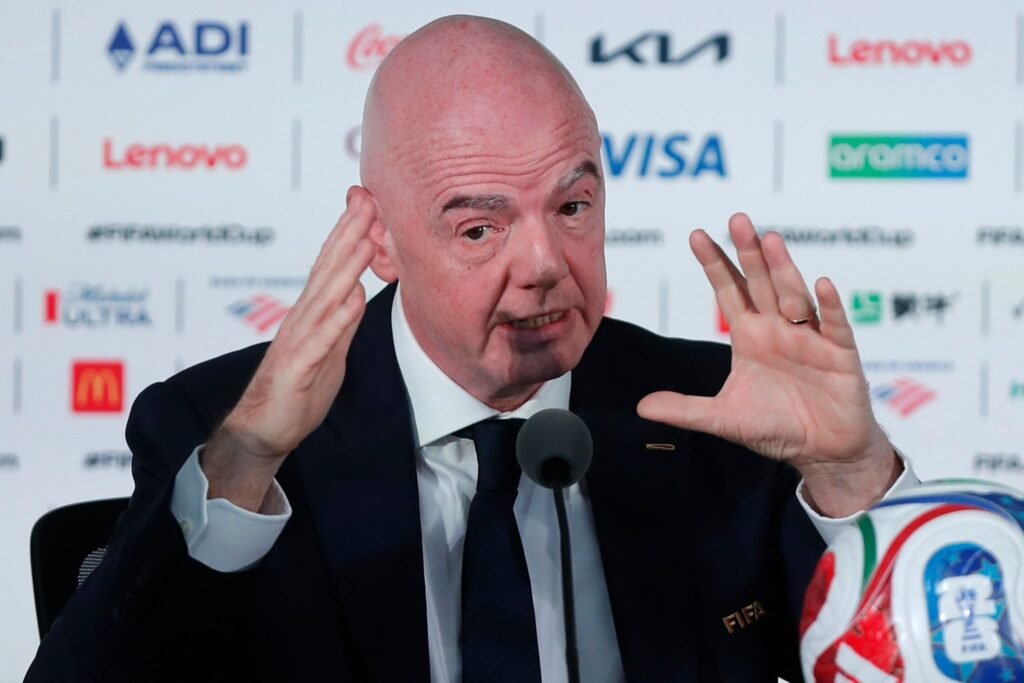
The ruling arrives just a week after Ronaldo attended a White House dinner hosted by US President Donald Trump, also attended by Saudi Crown Prince Mohammed bin Salman and FIFA President Gianni Infantino, who appeared in a widely-shared selfie with the Portuguese star.
A viral clip captured Trump telling guests:
“My son is a big fan of Ronaldo.”
The timing ignited speculation over whether the White House encounter aided Ronaldo’s cause. There is no evidence the visit influenced FIFA’s ruling — football’s disciplinary panel operates under formal procedures independent of political structures. Still, the optics have fueled debate due to several factors:
Why questions are being raised
Saudi Arabia, where Ronaldo has played for three seasons, is a major financial partner of FIFA and host of the 2034 World Cup.
Trump is expected to attend the 2026 World Cup draw in Washington, DC on December 5 — where Portugal, a top seed, will learn its group opponents.
Deferring two of three matches is considered unusual, adding to public scrutiny.
Sports analysts say even without political context, FIFA’s probation clause exists within its rulebook, though rarely invoked at this scale.
What Comes Next
Portugal plays two friendlies in March, followed by warm-up matches in May and early June. The World Cup kicks off on June 11, co-hosted by the United States, Canada and Mexico. Ronaldo enters under maximum pressure — both athletic and reputational.
What is at stake
For Ronaldo A final World Cup chapter Stability around their biggest star Integrity of disciplinary consistency
A Saga of Relief and Suspicion
For Ronaldo, the emotional swing from red-card shock to World Cup redemption has been rapid and dramatic. For fans, it’s another moment in a career that mixes brilliance, controversy, and global spectacle like few others.
Was the decision simply rule-based leniency due to a first offence from a global icon?
Or did the timing create a perception problem that will linger long after kickoff?
As the football world counts down to June, one truth remains:
Cristiano Ronaldo will walk onto the World Cup stage one more time — and the spotlight will be hotter than ever.