Tennis Meets Transformation: What the WTA’s Saudi Bold Step Really Means
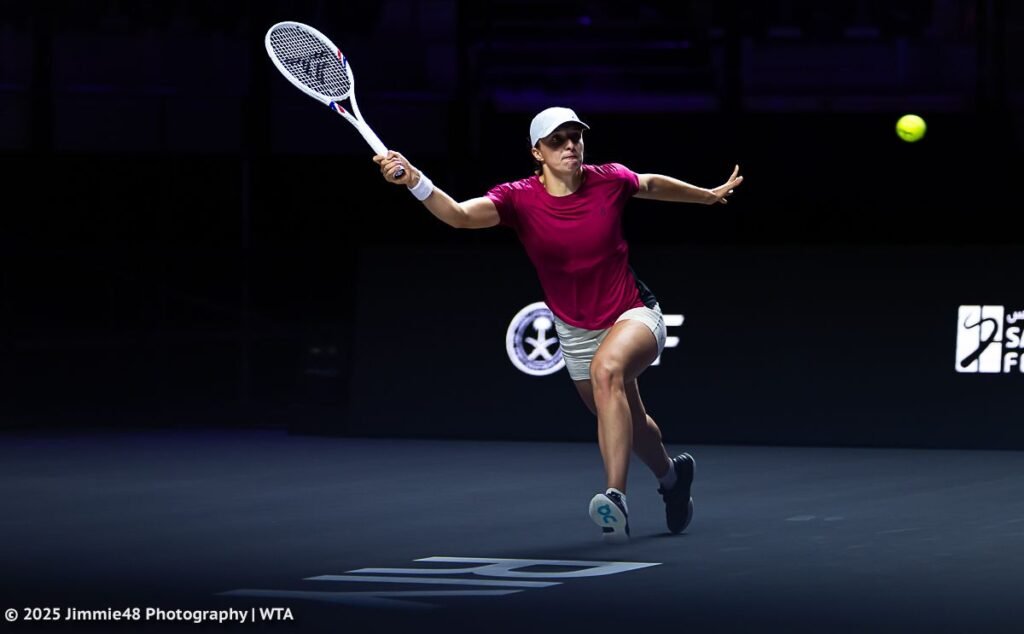
Bhubaneswar: The decision by the Women’s Tennis Association (WTA) to stage its year-end championships in Saudi Arabia from 2024 through 2026 marks one of the tour’s boldest moves in recent years — and perhaps one of the most controversial. At its core: a mix of record-breaking prize money, global expansion ambitions and a backdrop of human-rights scrutiny.
Big Money, Big Ambition
For the first time, the WTA Finals prize-pool will reach US$15.25 million in 2024 — an increase of around 70 % from the previous year. The host city: Riyadh, a place with scant tradition of hosting elite women’s sporting events. The tournament’s move is paired with a multi-year partnership between the WTA and the Public Investment Fund (PIF) of Saudi Arabia, which becomes the first ever naming partner of the WTA rankings.
WTA Chair & CEO Steve Simon acknowledged the sensitivities, saying the tour is going “eyes wide open” into the deal, having talked extensively with stakeholders about women’s and LGBTQ+ rights in the kingdom.
A Country Opening Up — Slowly
Saudi Arabia is positioning the move under its “Vision 2030” agenda, which aims to diversify the economy and boost its international image. Massive sports investment is part of that strategy. It’s not as if nothing is changing: reforms in recent years have allowed women to drive, attend more events, and participate more broadly in public life.
At the same time, critics note that core issues remain: male guardianship laws still linger, LGBTQ+ rights are almost completely unaddressed, and activists remain jailed.
Opportunity or Sports-Washing?
For many players, the chance to compete in a high-stakes event with huge prize money is exciting. For other stakeholders, it triggers ethical questions: is the monarchy using the event to burnish its image — a textbook case of sports-washing? Tennis legends Martina Navratilova and Chris Evert argued that staging the finals in Saudi Arabia “would represent not progress, but significant regression.”
Some players and officials defend the move, saying being inside the door gives them a platform to influence, while others fear that legitimising the location without substantive change signals that rights concerns can be set aside for big money.
What Could Change — And What Might Not
On the positive side:The elevated prize money sends a message about the value of the women’s tour.
Hosting in Riyadh may motivate investment in women’s sport and create exposure in a region where women’s professional sport has been rare.
With PIF backing, the financial and infrastructural foundation exists for growth.
On the cautionary side:One high-profile event doesn’t equate to structural change: broad access, coaching, grassroots participation and legal rights still lag.
The optics may outpace reality: If local Saudi women don’t see real new opportunities, the story becomes one of branding rather than impact.
There is a risk that the sport becomes complicit in improving an image without demanding meaningful reforms.
My Take: It’s a Chance, Not a Guarantee
The move to Saudi Arabia is not about inserting the WTA into a rights-crisis zone simply for spectacle. The tour clearly weighed the risks and is framing this as part of its growth strategy. But the question is: will this lead to real, measurable change for women’s sport — in Saudi Arabia and globally — or will it be primarily about headline figures and global media attention.
If I were to bet: I’d say it can help push change — but only if the WTA and its partners use the leverage they now have to insist on more than just hosting rights. That means demanding transparent commitments: more Saudi women competing, coaches being supported, cultural barriers addressed, and genuine pathways developed.
In absence of that, the risk is this becomes more about a big payday and a glamorous week of tennis than a legacy of transformation. The hope is real; the execution will determine whether it becomes history or just lipstick on old lipstick.