Dawn of a New Era: Shubman Gill Steps Up as India’s ODI Captain in a Bold Transition Move
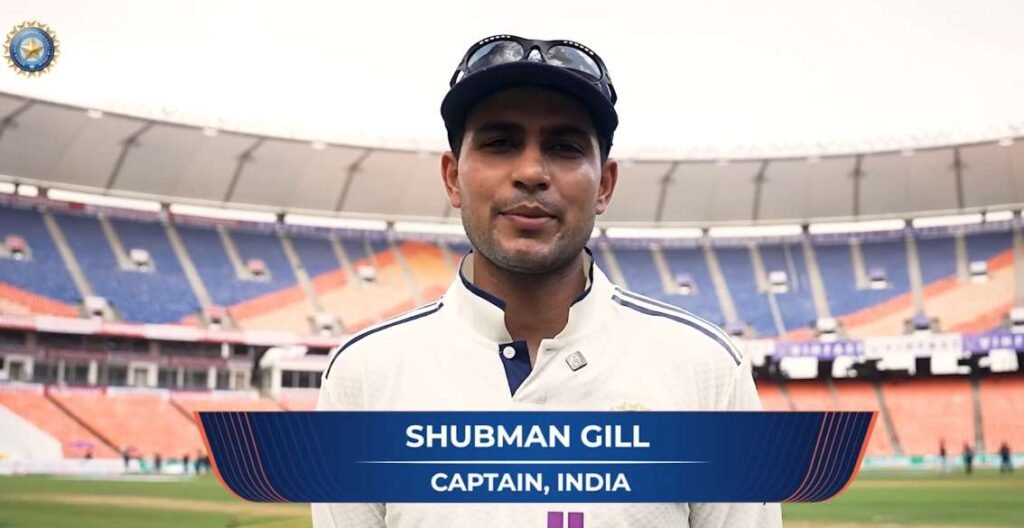
New Delhi: In the ever-evolving tapestry of Indian cricket, where legacies are both honored and reinvented, the Board of Control for Cricket in India (BCCI) has signaled a profound shift. On October 4, 2025, Shubman Gill was appointed as the new ODI captain, replacing the iconic Rohit Sharma for the upcoming three-match series against Australia.
This decision isn’t just a personnel change; it’s a philosophical pivot toward sustainability in leadership, eyeing the 2027 World Cup while grappling with the impracticality of format-specific captains.
As waves of transition crash upon the shores of One-Day Internationals, Gill’s ascension embodies the delicate balance between venerating past glories and forging a resilient future. With Rohit and Virat Kohli retained as batting stalwarts, this squad marries experience with youthful vigor, prompting deeper reflections on how Indian cricket navigates its golden twilight into a promising dawn.
Leadership Redefined: Gill’s Meteoric Rise and the Rationale Behind It
At 26, Shubman Gill isn’t just stepping into Rohit Sharma’s shoes—he’s reshaping them. Already the Test captain and T20I vice-captain, Gill’s ODI leadership role unifies India’s command structure across formats, a pragmatic response to the chaos of juggling multiple skippers. Chief selector Ajit Agarkar articulated this vision during a press briefing in Ahmedabad, emphasizing preparation for the 2027 World Cup in South Africa, Zimbabwe, and Namibia.
But beyond logistics, this move invites introspection: In an era where cricket demands mental agility as much as physical prowess, Gill’s calm demeanor and tactical acumen could infuse the team with a fresh, unflappable energy. Rohit, at 38, transitions to a specialist batter role, his captaincy legacy—boasting a 75% win rate in 56 ODIs and triumphs like the 2025 Champions Trophy—now a foundation rather than a ceiling.
This isn’t demotion; it’s evolution, allowing veterans like Rohit and the soon-to-be-37 Kohli to focus on their batting mastery, averaging 59.42 and delivering clutch performances that have defined India’s recent successes.
Squad Dynamics: Blending Youth, Experience, and Strategic Tweaks
The ODI squad for Australia, starting October 19 in Perth, reflects a calculated blend: Gill at the helm, Shreyas Iyer as vice-captain, and a core including Rohit, Kohli, K.L. Rahul (primary wicketkeeper), and Dhruv Jurel (backup). All-rounders like Axar Patel, Nitish Kumar Reddy, and Washington Sundar add versatility, while the spin attack features Kuldeep Yadav and Sundar, with pacers Mohammed Siraj, Arshdeep Singh, Prasidh Krishna, and Harshit Rana providing firepower. Yashasvi Jaiswal’s inclusion hints at explosive opening options.
Notably, this setup prioritizes competition—Agarkar noted the impossibility of accommodating two left-arm spinners in Australia, sidelining Ravindra Jadeja despite his Champions Trophy presence. Hardik Pandya’s injury paves the way for Reddy, while exclusions like Varun Chakaravarthy and Mohammed Shami signal a ruthless focus on form and fitness.
Philosophically, this squad challenges the notion of entitlement in cricket; it’s a meritocracy where even legends must adapt, fostering a culture of resilience that could propel India toward long-term dominance.
Key Omissions and Their Implications: Tough Calls for a Brighter Horizon
The absences speak volumes about India’s forward-thinking strategy. Jadeja’s exclusion, despite his all-round brilliance, underscores a tailored approach to Australian conditions—vast grounds favoring wrist-spinners like Kuldeep over finger-spinners.
Agarkar defended this by highlighting the squad’s spin depth, but it raises poignant questions: How does one honor a player’s contributions while pivoting to what’s next? Shami’s omission, potentially signaling the end of his ODI career, evokes a sense of melancholy; his pace and swing were instrumental in past victories, yet at this juncture, emerging talents like Rana and Krishna take precedence.
Chakaravarthy’s drop, fresh off being India’s top wicket-taker in the Champions Trophy, exemplifies the brutal selectivity of elite sport. These decisions aren’t mere roster tweaks—they’re a meditation on impermanence in cricket, where today’s heroes pave the way for tomorrow’s, ensuring the team’s ecosystem remains vibrant and adaptive.
The Viral Prophecy: Rohit Sharma’s Eerie Foresight from 13 Years Ago
Adding a layer of serendipity to this transition is a resurfaced social media post from Rohit Sharma, dated over 13 years ago: “End of an era (45) and the start of a new one (77).” With Rohit donning jersey 45 and Gill 77, the tweet now reads like a clairvoyant nod to Gill’s succession. (Rohit himself wore 77 in the 2012 T20 World Cup, adding ironic depth.) This viral moment isn’t just nostalgia; it humanizes the sport, reminding us that cricket’s narratives often weave through time in unexpected ways.
It prompts deeper engagement: In a game scripted by fate as much as skill, such coincidences fuel fan lore, bridging generations and amplifying the emotional stakes of leadership handovers.
India’s Stakes in Clinching the Series: A High-Stakes Gamble Down Under
Australia’s fortress-like home turf—Perth’s bounce, Adelaide’s swing, Sydney’s spin—presents a formidable challenge, yet India’s revamped squad holds intriguing potential for an upset. With Gill’s untested ODI captaincy, the series is a litmus test for his strategic nous against Pat Cummins’ seasoned Aussies. Strengths abound: Rohit and Kohli’s experience could anchor innings on bouncy pitches, while Kuldeep’s variations might exploit any turn in Sydney.
The pace battery, led by Siraj and Arshdeep, offers swing and seam to counter Australia’s batting might. However, vulnerabilities loom—without Jadeja’s all-round stability or Shami’s death-over mastery, depth could be tested in tight chases. Nitish Reddy’s inclusion injects raw talent, but inexperience might falter under pressure. Analytically, India’s win probability hinges on adaptability: If Gill fosters a fearless ethos, blending veterans’ wisdom with youth’s audacity, a 2-1 series win is plausible, boosting morale for the 2027 cycle. Conversely, a whitewash could expose transition pains, questioning the timing of changes.
Stakes are sky-high—not just bilateral glory, but validating this bold blueprint against the world’s best, potentially redefining India’s ODI identity.
Forging Ahead: A Unified Vision for Indian Cricket’s Future
As India embarks on this Australian odyssey, followed by ODIs against South Africa and New Zealand, the narrative transcends squads and series. It’s about crafting a legacy that endures, where transitions aren’t disruptions but catalysts. Gill’s era begins not with fanfare, but with the quiet resolve to honor the past while chasing uncharted horizons— a testament to cricket’s timeless allure.