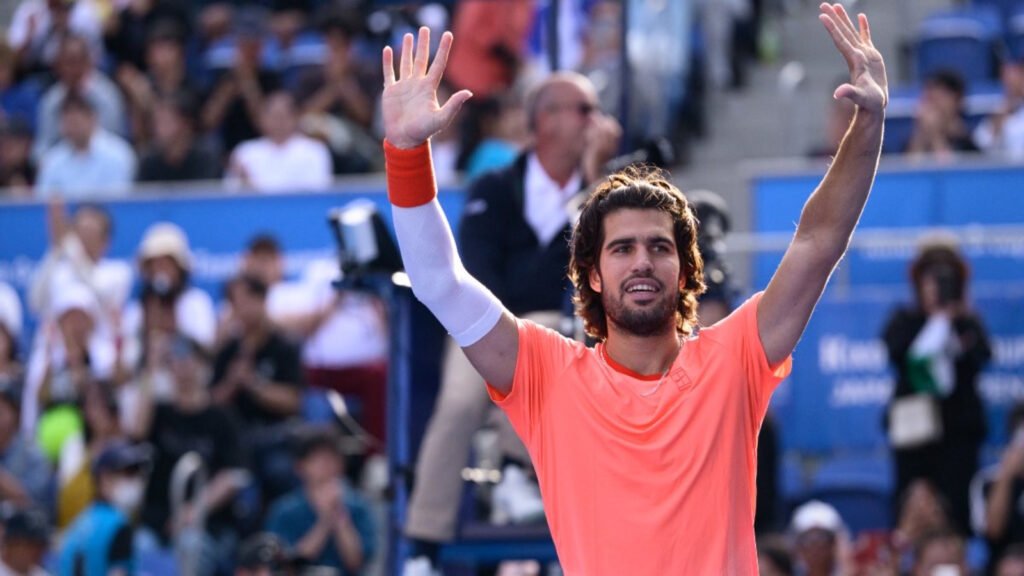
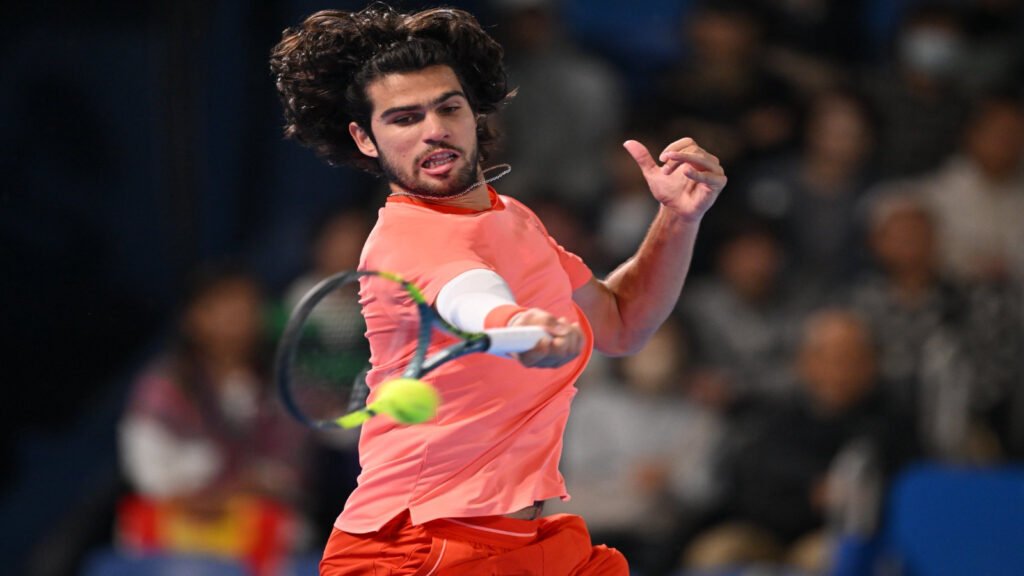
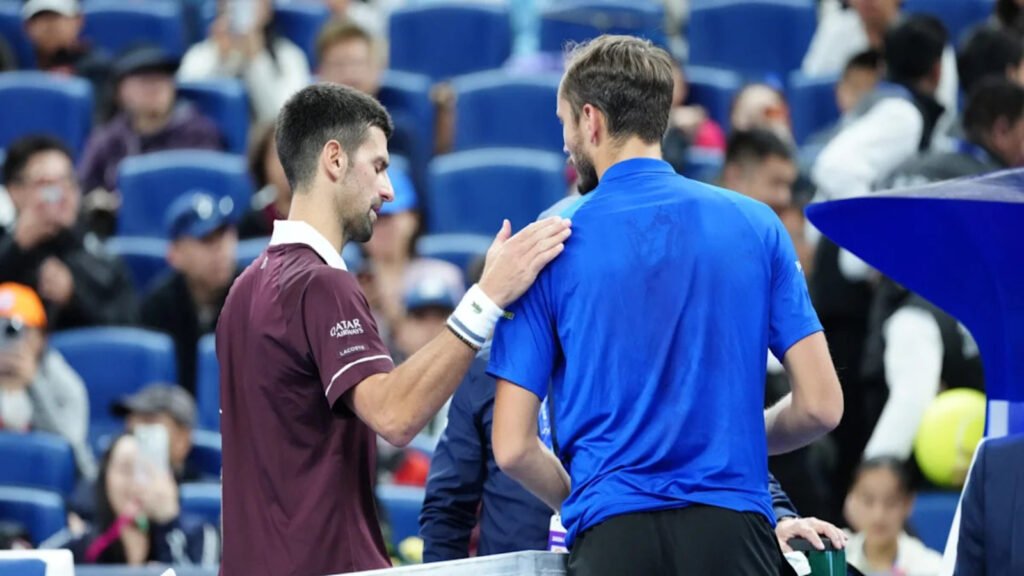
Caravaggio and Djokovic: Masters Who Reshaped the Light in Their Realms
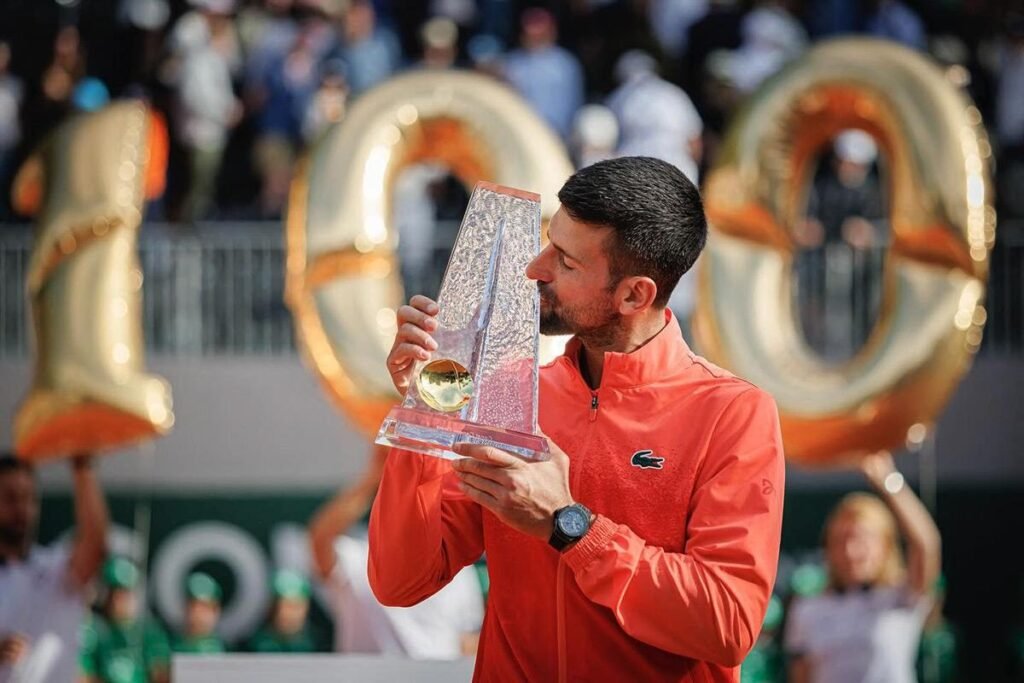
Bhubaneswar : In an era driven by spectacle and sharp contrast, few artists stand out more than Michelangelo Merisi da Caravaggio and Novak Djokovic — two geniuses from different centuries who used their respective canvases to bend light, redefine form, and challenge tradition.
Caravaggio, the fiery Baroque painter of 16th-century Italy, didn’t play by the rules of the Renaissance. While the dominant artistic language of his time emphasized idealized beauty and divine calm, Caravaggio pivoted toward a strikingly raw realism. His gift was chiaroscuro — the bold juxtaposition of shadow and light — through which he brought sacred scenes to life with a shockingly modern grit. Saints bled, sinners wept, and every gesture seemed pulled from the crowded streets of Rome rather than from myth.
Similarly, Novak Djokovic stepped into a world dominated by two near-mythical giants, Roger Federer and Rafael Nadal. He didn’t simply compete — he redefined the game of tennis. With unmatched flexibility, defensive accuracy, and relentless ambition, Djokovic turned the court into a space of mastery and calculation. He cut angles that hadn’t been explored, returned serves previously considered unplayable, and shifted expectations of what greatness looked like.
But Djokovic’s revolution wasn’t simply physical — it was cerebral. Just as Caravaggio used emotional realism to redefine the sacred, Djokovic used mental fortitude to dismiss conventional pressure. He was not content merely to be part of the golden era; he arguably became its final word.
Caravaggio and Djokovic, distant as their worlds are, share key traits. They disrupted rather than conformed. They lit up their professions not just through brilliance, but through contrast — one with paint and pigment, the other with racket and resilience. Each refused to follow tradition blindly, instead steering their craft into new, sometimes uncomfortable, territory.
And both, in their own ways, were controversial figures — Caravaggio with his turbulent personal life and violent temper; Djokovic with his polarizing personality and fiercely individualistic stance. Yet even their critics acknowledge the piercing impact of their work — the legacy of transformation they leave behind.
To reshape light is no small feat. Whether illuminating a biblical scene in a Roman chapel or commanding attention on Centre Court at Wimbledon, both men harnessed intensity, focus, and courage to change how we see — painting greatness not just with brilliance, but with the shadows that define it.