From Track to Timeline: How Social Media Is Powering India’s Emerging Athletes
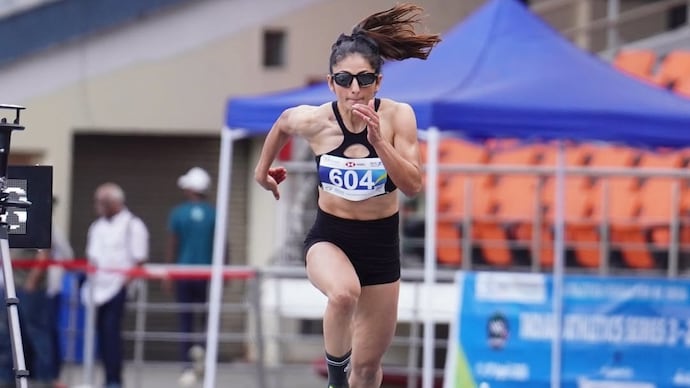
In a country where cricket, badminton and tennis stars dominate the spotlight, thousands of India’s rising athletes are quietly making progress in relative anonymity. Unlike their famous counterparts with lucrative sponsorships, most up-and-coming competitors struggle to finance the very basics of high-performance sport: training, travel, recovery and nutrition.
For many, traditional income avenues — part-time jobs or government stipends — simply don’t fit the demanding schedule of elite sport. In response, a new strategy has emerged: documenting the journey itself can be the key to survival.
The Rising Triple-Jumper Turning Content Into Currency
One of the clearest examples of this shift is Niharika Vashisht, India’s triple-jump specialist based in Mohali. Vashisht has spent nearly 15 years building her athletic career. In 2026 she cleared the Asian Games qualifying mark of 13 metres at a major national meet, positioning herself as a contender for the upcoming games in Aichi-Nagoya, Japan.
But while athletic achievement demands years of disciplined training, the financial reality for athletes like Vashisht has been far less assured.
“If you want to be the best in your field, you need the best of everything,” Vashisht says, referring to the cost of quality physiotherapy, strength training, nutrition and travel — expenses that can quickly mount into figures that eclipse what most professionals earn monthly.
When Social Media Became a Survival Strategy
Vashisht’s turning point came during the COVID-19 pandemic. With competitions canceled and gyms closed, she began sharing simple training footage, behind-the-scenes clips and rehabilitation updates with her audience online. What started “just for fun,” she says, gradually became a dependable income stream.
Today, rather than relying solely on sporadic sponsorships, Vashisht monetises her growing social media presence — often using content creation to cover supplement bills, physiotherapy sessions and even long spells of recovery following injuries.
“I usually ask my father or a training partner to record one or two reps,” she explains of her process. “I edit my videos myself. It’s simple, but it works.”
Balancing Visibility and Performance
However, there’s a trade-off. The push for consistent content brings its own pressures. Visibility on social platforms can influence brand collaborations and earning potential, which means even on tough training days, athletes may feel obligated to post. Vashisht reflects, “Even if training isn’t going well, you still feel the need to post.”
Yet for many athletes, this dual role as competitor-creator has real impact. It not only keeps income flowing but also builds a public profile that could attract future endorsements. Vashisht has even been featured in a commercial alongside Bollywood star Akshay Kumar — an opportunity that may never have arisen without her online presence.
Beyond Athletics: A Growing Movement
Vashisht isn’t alone. Across disciplines, athletes such as fencer Rishika Khajuria are adopting similar strategies, using social media to raise the profile of niche sports and attract attention that traditional sponsorships rarely offer.
For India’s next generation of athletes, the mantra has shifted from merely training hard to training, posting, recovering and repeating. In a sports ecosystem still grappling with how to financially support its talent, storytelling and personal branding have become as important as speed and strength.