For a generation of fans, success for the Zimbabwe national cricket team once felt normal. In the late 1990s, they beat India national cricket team and Pakistan national cricket team in Test series and reached the Super Six stage at the 1999 World Cup.
Stars such as Andy Flower, Heath Streak and Henry Olonga made the small nation competitive on the global stage.
But the 2003 World Cup changed everything. Flower and Olonga’s black armband protest against Robert Mugabe triggered political fallout. Senior players quit, finances crumbled and Zimbabwe voluntarily suspended their Test status in 2006.
In 2019, the International Cricket Council suspended Zimbabwe Cricket, barring them from World Cup qualification. It marked the lowest point.
Rebuilding belief
Under chairman Tavengwa Mukuhlani, debts were reduced and structure restored. Administrators focused on red-ball cricket to rebuild standards and discipline.
The appointment of coach Justin Sammons in 2024 proved pivotal. Emphasis on fitness and youth created a sharper, fearless side. Emerging players like Brian Bennett and Blessing Muzarabani thrived.
Zimbabwe stunned former champions Australia national cricket team and Sri Lanka national cricket team to top Group B at the T20 World Cup, signalling a genuine resurgence.
Raza’s leadership spark
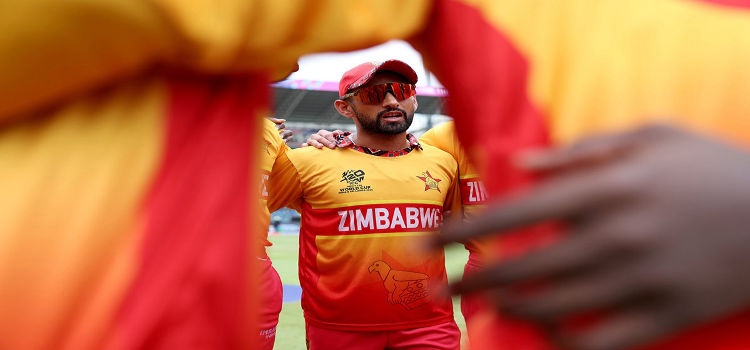
Central to the revival is captain Sikandar Raza. The Pakistan-born all-rounder has delivered match-winning performances across formats and inspired belief within the squad.
After navigating a qualifying tournament to reach this event, Raza urged his team to accept responsibility and fight back. That mindset has defined their campaign.
Though heavy defeat to West Indies cricket team in the Super 8 opener was a setback, Zimbabwe’s journey from crisis to competitiveness already stands as one of cricket’s most compelling revival stories.
With the 2027 50-over World Cup set to be co-hosted on home soil, hope has firmly replaced despair.
 Vishesh Shukla
18 Oct 2026 · 9:27 PM IST
2 min read
7 Reads
Vishesh Shukla
18 Oct 2026 · 9:27 PM IST
2 min read
7 Reads