Why Team GB Dominate Olympic Skeleton
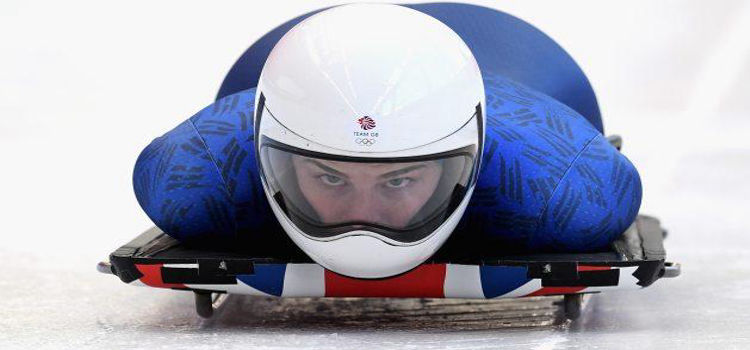
No home ice track, yet more Olympic medals than any other nation in skeleton history. It sounds improbable, but Team GB have turned limitation into lasting dominance. Matt Weston’s gold at the Winter Olympics 2026 added to a remarkable legacy that began when the sport returned to the Olympic programme in 2002 — and shows little sign of slowing.
Turning Disadvantage Into Superpower Britain’s sliders train without a permanent ice facility, relying instead on a 140m push track at the University of Bath and limited overseas sessions. Former double Olympic champion Lizzy Yarnold has described that constraint as a “superpower”. With only a handful of practice runs before competition, British athletes arrive laser-focused, maximising every descent. That efficiency under pressure has repeatedly delivered medals, from Amy Williams in 2010 to Yarnold’s back-to-back titles and now Weston’s breakthrough.
Innovation On And Off The Ice Success has also been driven by engineering excellence. Early gains came through sled design work led by former Olympian Kristan Bromley, while partnerships with leading aerospace and automotive experts refined equipment further. Marginal gains — from aerodynamic suits to wind tunnel testing — have been central to performance. Even setbacks, such as equipment issues at Beijing 2022, prompted technical resets that strengthened the programme heading into 2026.
Talent ID And Team Ethos Britain’s pathway does not rely on childhood participation in winter sports. Instead, UK Sport’s talent identification schemes have redirected athletes from other disciplines into skeleton. Weston himself transitioned from taekwondo and rugby, following a route similar to Yarnold’s multi-sport background. The arrival of Latvian great Martins Dukurs as coach in 2022 added world-leading expertise to an already strong culture.
Perhaps most crucial is the internal competition. With as few as 120 competitive runs a year, knowledge-sharing becomes invaluable. Teammates analyse corners together, swap insights and push each other relentlessly in training — fierce rivals on race day, collaborators the rest of the time.
For a nation without mountains or ice tracks, Britain’s skeleton success may defy logic. But through innovation, recruitment and collective drive, Team GB have built one of the most consistent high-performance programmes in Winter Olympic sport.