The Athlete Gut: How Microbiome Science is Redefining Performance, Recovery & Even Decision-Making
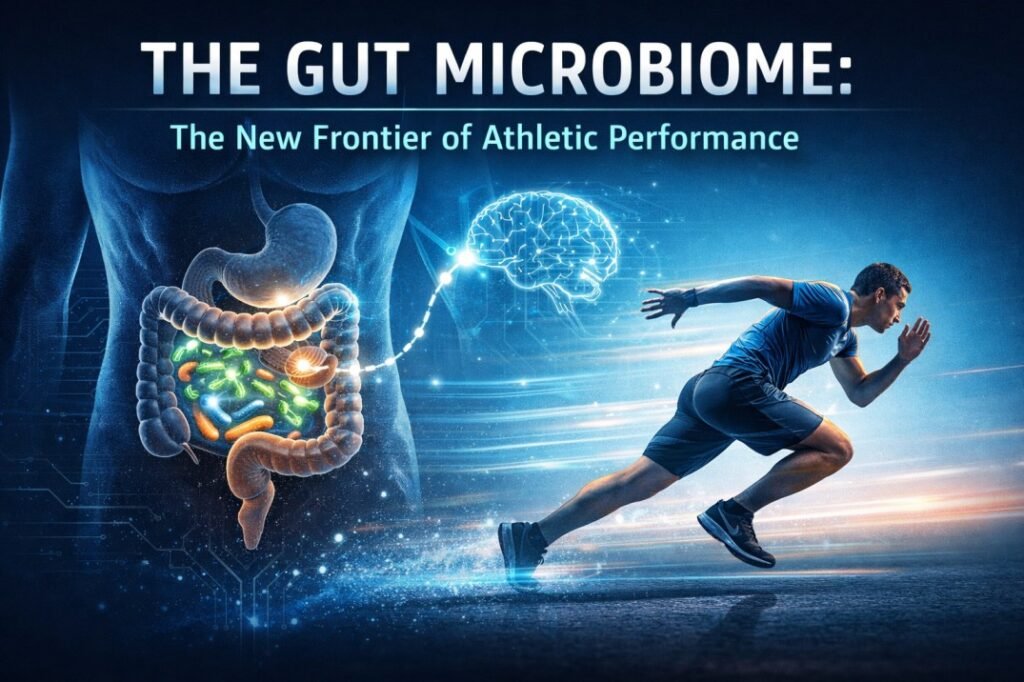
BHUBANESWAR: For decades, athletic performance has been measured in visible metrics—strength, speed, endurance, and skill. But in 2026, a quieter revolution is taking shape inside the human body. Scientists and performance experts are now turning their attention to an unexpected powerhouse: the gut microbiome.
Often referred to as the body’s “second brain,” the gut is emerging as a critical factor in how athletes train, recover, and even make decisions under pressure.
Beyond Muscles: The Gut-Performance Connection
The gut microbiome is a complex ecosystem of trillions of bacteria that influence digestion, immunity, and metabolism. For athletes, its role goes far beyond basic health. It directly affects how efficiently the body converts food into energy, how quickly it recovers from exertion, and how well it handles inflammation.
Recent research indicates that high-performance athletes tend to have a more diverse gut microbiome compared to non-athletes—a factor linked to better endurance and resilience. But this relationship works both ways. Training intensity, travel schedules, and stress can disrupt gut balance, potentially impacting performance.
Fueling Recovery from the Inside Out
Recovery is no longer just about ice baths and sleep. Nutrition strategies are increasingly being designed to support gut health as a foundation for faster and more efficient recovery.
Bronwen Charlesson, Sports Dietitian, Hockey Australia, highlights the growing importance of this shift: “We’re seeing that training load doesn’t just affect muscles—it also changes the gut environment, which in turn influences recovery and overall performance.”
This insight is reshaping how teams approach post-training nutrition. Instead of focusing solely on protein intake, athletes are now incorporating fiber-rich foods, fermented products, and targeted supplements to nourish beneficial gut bacteria.
The Gut-Brain Axis: Decision-Making Under Pressure
One of the most fascinating developments in microbiome science is its connection to the brain. The gut-brain axis—a communication network between the gut and the central nervous system—plays a key role in mood, focus, and cognitive function.
For athletes, this has real implications. Split-second decisions, reaction times, and emotional control can all be influenced by gut health. A balanced microbiome may contribute to improved mental clarity and reduced stress, particularly in high-pressure situations.
Dr. Colleen Cutcliffe, CEO and Co-Founder of Pendulum Therapeutics, explains the nutritional foundation behind this: “Fiber is one of the most powerful tools we have—it supports and nourishes the gut microbiome, which in turn affects multiple aspects of human performance.”
This evolving understanding is pushing sports science beyond physical conditioning into a more holistic model of performance.
From Lab to Locker Room: Industry Adoption
What was once a niche area of research is now gaining traction across the sports nutrition industry. Companies are investing heavily in microbiome-focused products, from advanced probiotics to functional ingredients designed to enhance gut health.
Aaron Rasmussen, Head of Global Ops at ingredients company OHLY, points to a clear shift in the market: “We’re seeing the microbiome move to the center of sports nutrition innovation, as athletes and teams look for smarter, more sustainable ways to improve performance.”
This transition reflects a broader trend—moving away from quick fixes toward long-term, science-backed strategies.
The Future of Performance Lies Within
While microbiome science is still evolving, its potential is undeniable. It challenges traditional views of athletic performance and introduces a more integrated approach—one that connects nutrition, physiology, and mental resilience. For athletes and coaches alike, the message is becoming clear: peak performance may not just be built in the gym, but cultivated from within.