Everton forward Snoeijs opens up on endometriosis pain
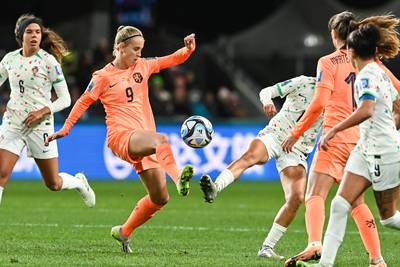
Katja Snoeijs realised something was wrong when severe pain forced her off at half-time during a match against West Ham last season. What initially felt like intense cramps soon became unbearable, affecting her ability to even stand upright, let alone play professional football.
The moment proved emotional and decisive. For a player used to pushing through discomfort, leaving the pitch without a visible injury was difficult to accept. However, it marked the beginning of her journey towards understanding the condition she was dealing with.
Diagnosis brings clarity and relief
Endometriosis, a chronic condition where tissue similar to the womb lining grows elsewhere in the body, affects one in 10 women in the UK. It often causes severe pain and disrupts daily life, yet diagnosis can take years.
For Snoeijs, the process was quicker than average but still challenging. Initial consultations did not provide clear answers, leaving her uncertain and frustrated. Eventually, with support from Everton’s medical team, she underwent keyhole surgery — the only definitive way to diagnose the condition.
The diagnosis brought relief and clarity. After years of doubting her own pain, she could finally understand what her body was going through. Following surgery, the 29-year-old has already returned to training and is beginning to feel the benefits.
Athletes battling through hidden struggles
Snoeijs’ experience is not unique. Many athletes continue to compete while dealing with endometriosis symptoms, often in silence.
Leah Williamson, who captained England to Euro 2022 glory, has previously spoken about fearing she might miss the tournament due to the condition. Similarly, Olympic cyclist Elinor Barker has revealed she nearly quit the sport because of the pain.
The unpredictable nature of endometriosis makes it particularly challenging. Some days pass with minimal discomfort, while others bring intense pain described by Snoeijs as feeling like “being continuously stabbed in the stomach”.
Raising awareness in women’s football
Now back in training, Snoeijs is determined to use her experience to raise awareness, especially within women’s sport. She believes many players may be dealing with similar symptoms but hesitate to speak up.
Her message is simple: trust your body and seek help when something feels wrong. For athletes, the pressure to perform can often lead to ignoring serious health issues, but early intervention can make a significant difference.
Snoeijs also emphasised that the condition does not define her career. Despite the challenges, she remains confident about continuing at the highest level and encourages others to not let endometriosis limit their ambitions.
Understanding the condition
Endometriosis symptoms vary widely but often include pelvic pain, heavy periods and discomfort that interferes with daily activities. Because symptoms overlap with other conditions, many women face long delays in receiving a proper diagnosis.
Greater awareness, especially in elite sport, is helping change that narrative. Stories like Snoeijs’ are highlighting the importance of recognising and addressing the condition early, ensuring athletes can perform at their best without compromising their health.