Newey Warns Honda Vibrations Risk Nerve Damage for Aston Martin Drivers

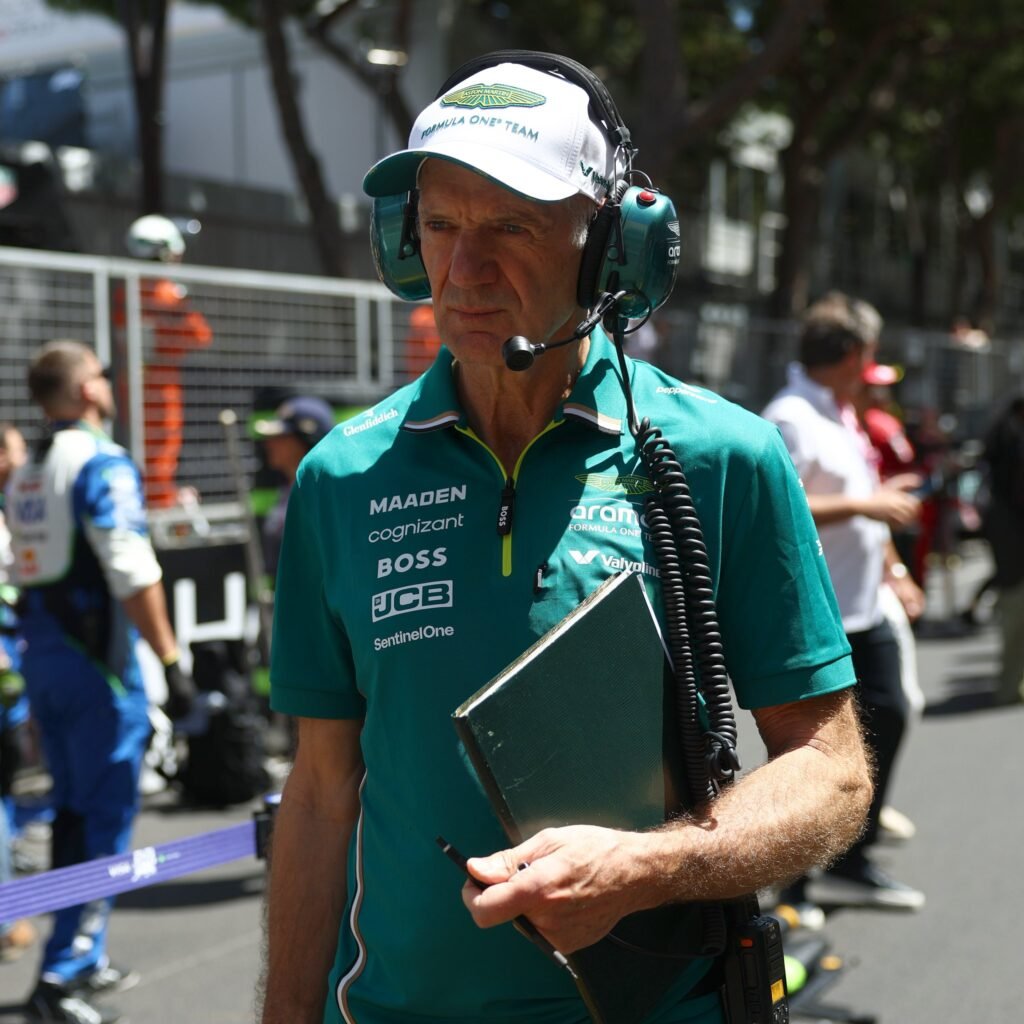
Aston Martin team principal Adrian Newey says severe vibrations from their Honda engine are putting drivers at risk of permanent nerve damage within 25 laps of running.
Speaking ahead of the season-opening Australian Grand Prix, Newey revealed the extent of the problem as Formula 1 begins a new engine regulation era. The vibrations plagued Aston Martin during pre-season testing, where they completed the lowest mileage of any team.
“That vibration into the chassis is causing a few reliability problems,” Newey said. “Mirrors falling off, tail lights falling off – all that sort of thing. But the much more significant problem is that the vibration is transmitted ultimately into the driver’s fingers.”
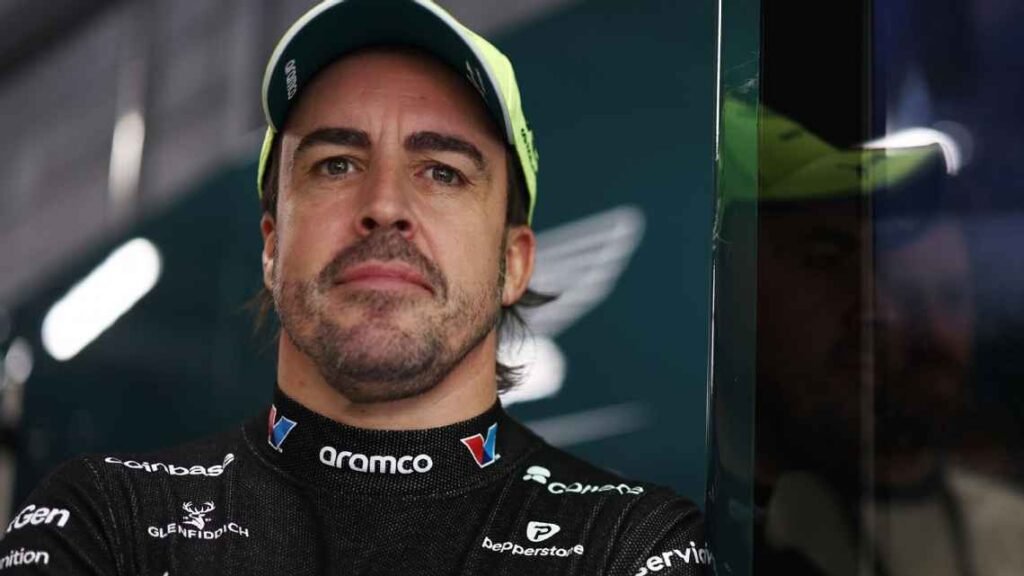
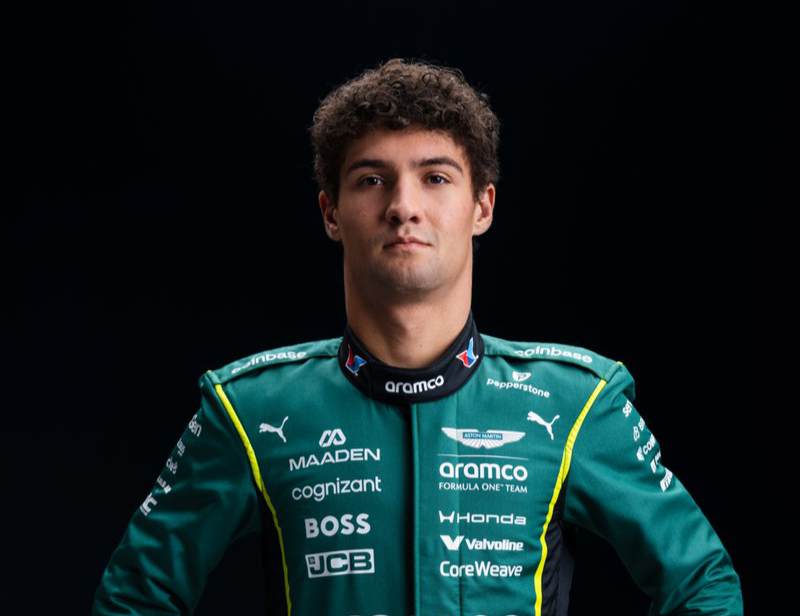
Fernando Alonso believes he cannot complete more than 25 consecutive laps without risking nerve damage to his hands, while Lance Stroll estimates his limit at around 15 laps.
Alonso admitted his hands and feet felt “numb” after extended runs. “If we were fighting for the win, we can do three hours in the car,” he said. “But definitely it is something unusual. It shouldn’t be there. We don’t know the consequences either if we keep driving like that for months.”
Reliability and Power Concerns
The team have introduced countermeasures aimed at preventing vibrations from damaging the hybrid system’s battery, a problem that surfaced in testing. Honda boss Koji Watanabe said the effectiveness of those changes would only be clear once the car runs in Melbourne.
However, the fix addresses only battery protection. Vibrations are still being transmitted into the chassis and steering, meaning Aston Martin may have to restrict race stints until a deeper solution is found.
Compounding the issue is a reported power deficit. Under the new regulations, engines operate on a 50-50 split between internal combustion and electrical power, with the electric motor capped at 350kw. Insiders suggest Honda’s electrical system could be significantly down on rivals, though Watanabe declined to comment directly.
Newey explained that reduced combustion power increases reliance on electrical deployment, draining the battery sooner and creating what he described as a “self-fulfilling downward spiral”.
Car Still in Development Phase
Beyond the engine concerns, Newey admitted Aston Martin’s chassis is also not yet where he wants it to be. Having joined in March last year, he shifted the team’s design philosophy, but delays in wind tunnel operation left them months behind competitors.
In pure chassis terms, Newey estimates Aston Martin are around three-quarters of a second to a second off the leading teams — roughly fifth fastest on the grid.
Still, he remains optimistic. “The car has huge development potential,” he said. “I see no inherent reason why we can’t become, on the chassis side, close to if not fully competitive.”
For now, though, managing vibrations — and protecting their drivers — will be the immediate priority as the new season begins.