India’s Rapid Rise in Doha
Doha, Qatar : Seven rounds into the World Rapid Chess Championship in Doha, the storyline is no longer just about individual wins and losses — it is about India’s growing presence across both sections of the tournament.
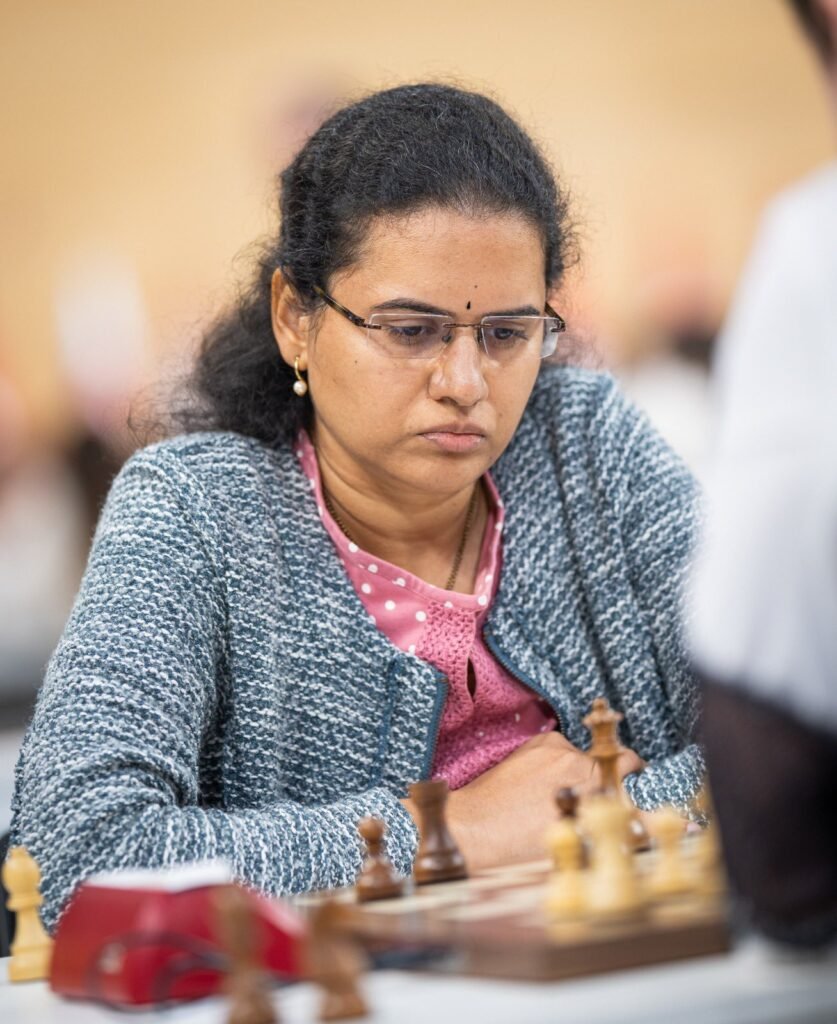
As reported by Sportstar, Koneru Humpy and Divya Deshmukh remain firmly among the leaders in the women’s event after Round 7, underlining the country’s strength in rapid chess at the highest level. For Humpy, the reigning world rapid champion, consistency has once again been her biggest ally, while Divya continues to justify the hype following her breakthrough year on the global stage (Sportstar report).
What stands out is not just their positions on the leaderboard, but how different generations of Indian chess are thriving side by side. Humpy’s calm, risk-managed approach contrasts with Divya’s fearless, attacking style — yet both have produced results in a tightly packed field.
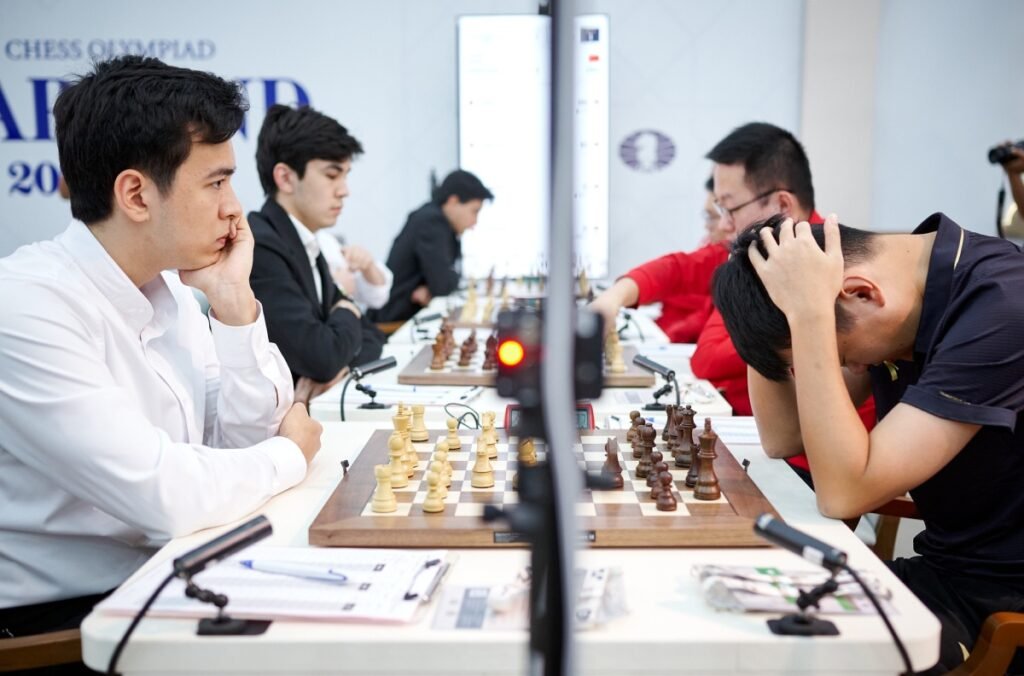
In the open section, the race remains brutal. D Gukesh, despite a mixed set of results, stays within touching distance of the leaders, a reminder that in rapid chess, momentum can swing in a single afternoon. The tournament’s unpredictability was highlighted when Magnus Carlsen suffered a rare defeat, a moment that reshaped the standings and opened the door for a wider group of contenders
“In rapid chess, the margin for error is almost zero,” one coach observed on the sidelines, echoing a sentiment widely felt as the standings remain congested.
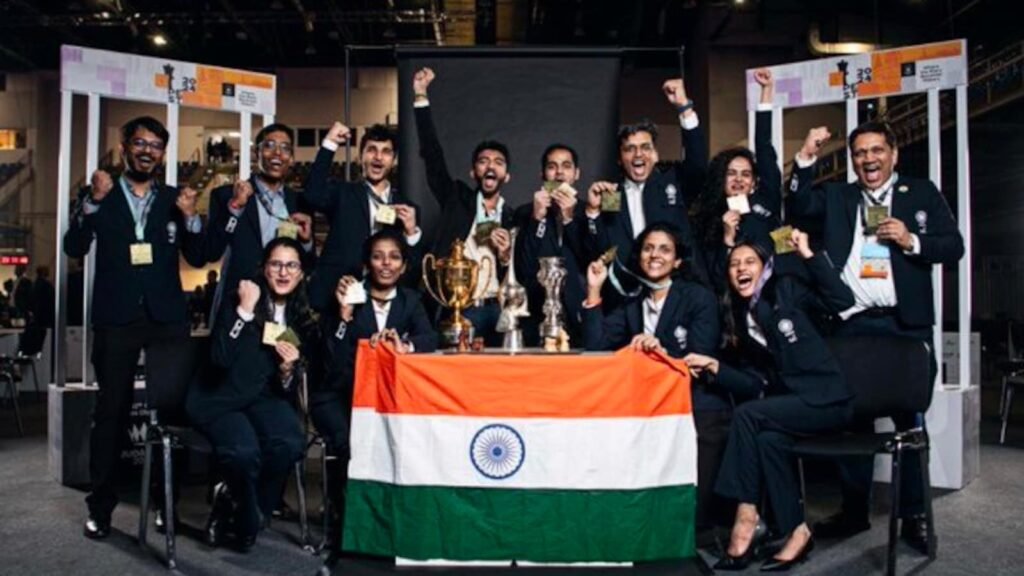
Another notable takeaway from Round 7 is India’s overall volume in contention. Alongside Humpy, Divya and Gukesh, players like Harika Dronavalli, Nihal Sarin and Vaishali remain competitive, reinforcing the idea that Indian chess is no longer reliant on one or two flag-bearers .
With several rounds still to play, medals are far from decided. But if the first half of the championship has proven anything, it is this: India is no longer chasing relevance in rapid chess — it is shaping the race itself.