Atiqa Mir: The 11-Year-Old Speed Trailblazer Shattering Barriers in Motorsport
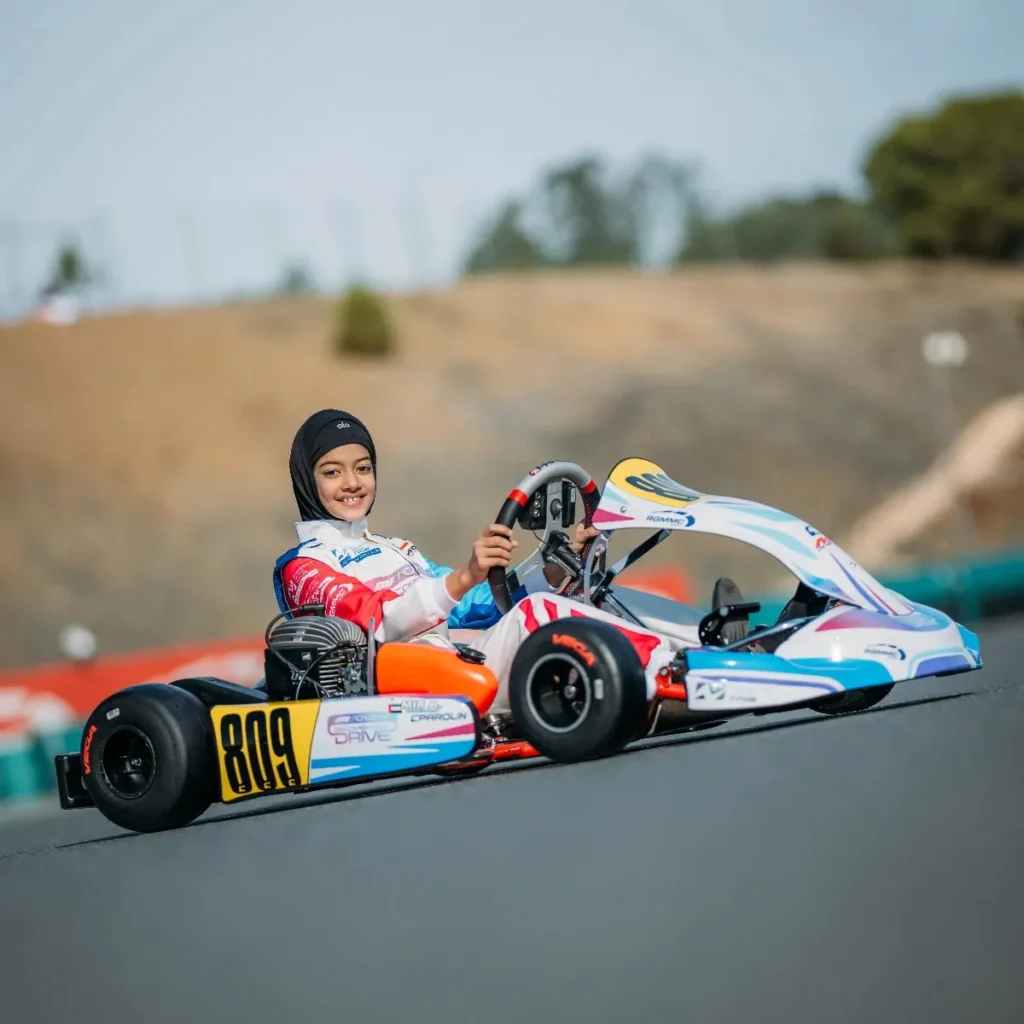
In the fiercely competitive world of international karting—where razor-thin margins and relentless aggression define victory—11-year-old Atiqa Mir is rewriting what is possible.
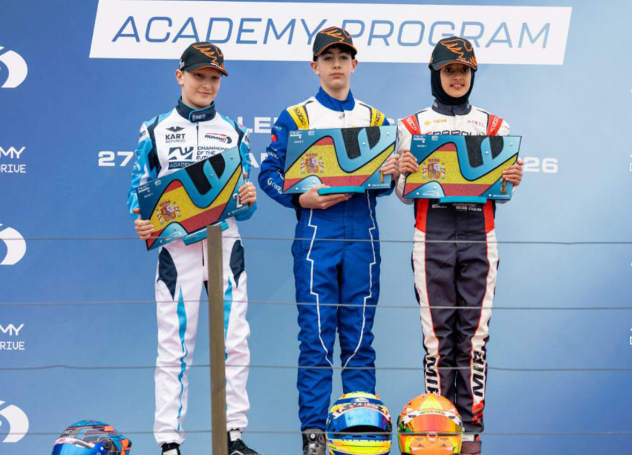
Recently, the young Indian racer from Jammu & Kashmir became the highest-qualifying female in the history of the COTFA international karting series, securing fourth place in the F1 Academy-backed championship before finishing seventh overall against some of the world’s best young drivers.
Competing against a grid of 28 elite racers, mostly boys older and physically stronger than her, Mir missed the podium by just 0.07 seconds—but what she achieved went far beyond results.
It was a moment that signaled the arrival of a new kind of challenger.
One who refuses to be defined by age, gender, geography—or stereotypes.
A Little Girl With a Big Engine and Bigger Heart
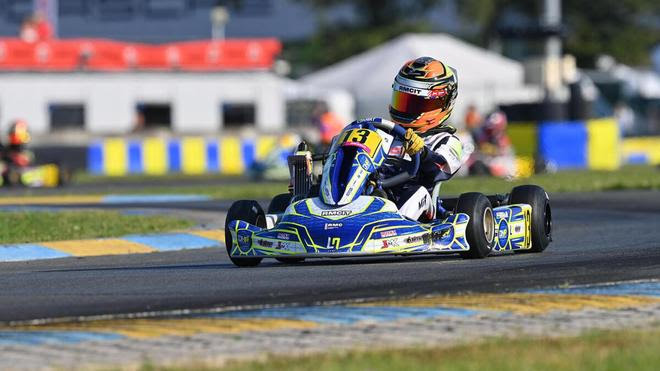
On Day 1, Mir stunned the paddock by finishing fourth in qualifying in the mini category and holding on to that position in the final. On Day 2, she again qualified among the top five, climbing to fourth with a bold final-lap overtake before a fierce wheel-to-wheel battle pushed her back to seventh.
“Some tough racing this week with top drivers. I had good pace through both days and was able to deliver in qualifying and the finals. I’m looking forward to the season finale next week,” said Mir, composed and proud after a performance that shook up the grid.
Her father and mentor, Asif Mir, a former Formula Asia vice-champion, put the achievement into perspective:
“She delivered consistently against the world’s best and beat them as well. It’s a reward for the hard work over months. We’ll keep improving.”
A Disruptor in a Boys’ Arena
Motorsport is brutally competitive—and brutally male. Only two women have ever started a Formula 1 Grand Prix, and none have even attempted qualifying in more than 30 years. Karting, the entry-level stage for future F1 stars, mirrors that imbalance.
“Karting is mixed-gender—there’s no leniency for girls. Because Atiqa is fast, the boys push her around constantly. They won’t let her overtake without a fight,” says her coach, Julia Lykakis.
Her father explains the reality even more starkly. “Earlier she’d come crying after being crashed into on purpose. But this sport doesn’t allow whining. You learn to fight. At the end of the day, it’s not boy versus girl—Atiqa is simply one of the fastest on the track.”
And the results prove it.
From Srinagar to the Global Grid
The Mir family first lived in Srinagar before relocating to the UAE to support her training.
Today, Atiqa is One of only three girls worldwide selected for Formula 1 Academy’s Discover Your Drive programme. The youngest among them. The first Indian and Asian female to win a race at the legendary Le Mans karting circuit in France and A finalist at the Rotax Max Challenge International
Her schedule is that of a professional athlete, not a child: 5:30 AM gym training, Schoo, Simulator practice, Strength conditioning, Strategy sessions. And yet, she carries the fearless spirit of childhood.
“I’m a naturally cool person,” she laughs.
“Traffic jams stress me far more than racing. At least racing has a finish line!”
Chasing the Ultimate Dream
Ask her what she wants next, and the answer lands without hesitation:
“I want to be the first woman in the modern era to race in Formula 1. It’s possible. You just have to believe and work every single day.” And she believes—at full throttle.
Why Atiqa’s Journey Matters
For generations, girls in motorsport were expected to watch, not compete. Atiqa Mir is showing them another path. She’s not asking permission to belong; she’s proving she belongs by outracing many of the best boys in the world.
A racer. A fighter. A record-breaker.
A girl from Kashmir named Atiqa Mir, steering the sport into a new era—one fearless lap at a time.