Sakshi Malik Throws Support Behind Vinesh Phogat in High-Voltage Comeback Row with WFI
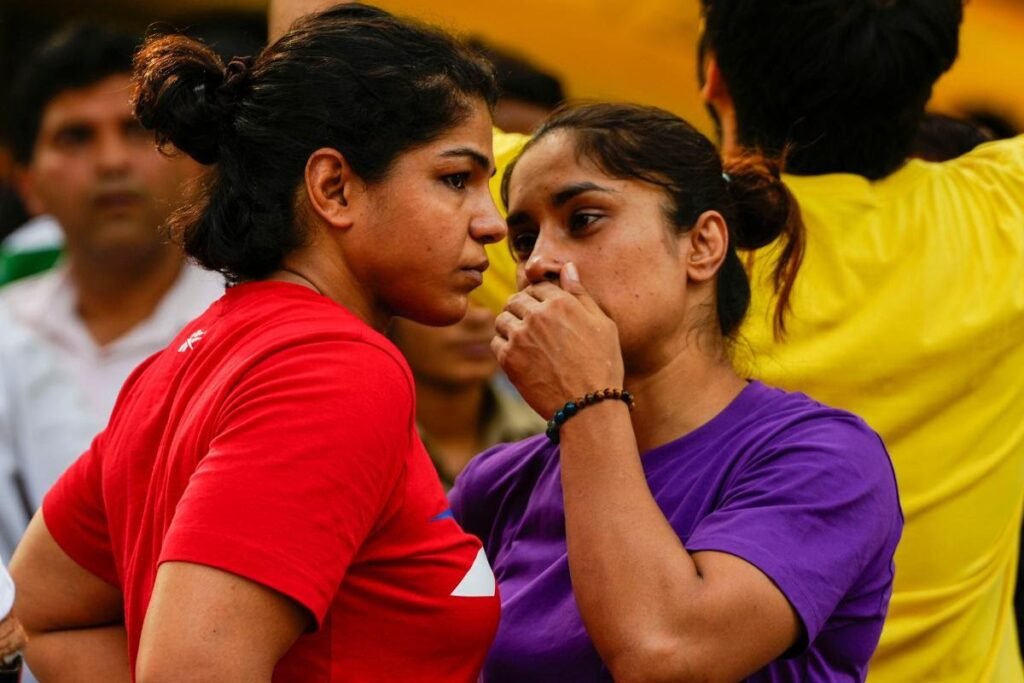
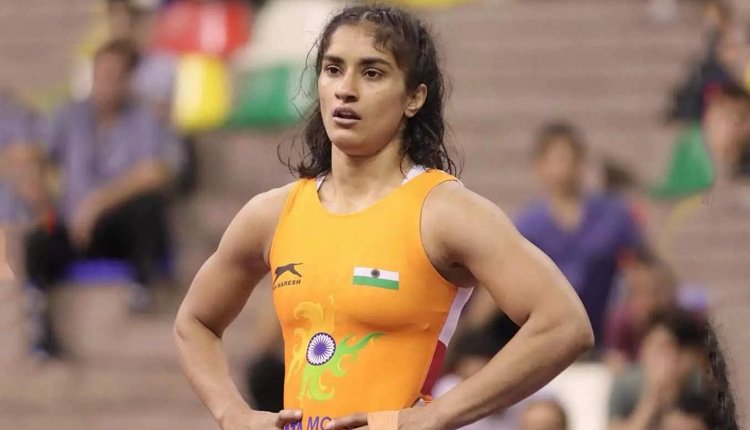
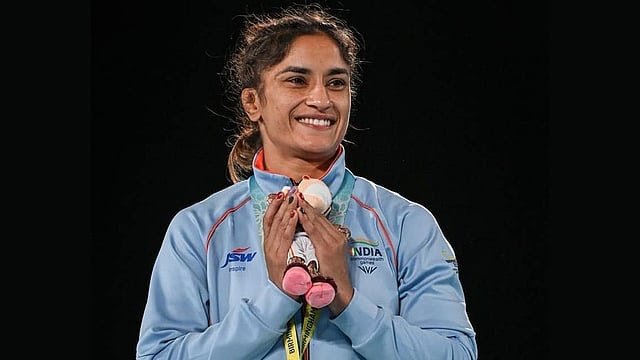
In one of the most significant standoffs in Indian wrestling this year, Olympic medallist Sakshi Malik has publicly backed fellow grappler Vinesh Phogat in her ongoing dispute with the Wrestling Federation of India (WFI) over the star wrestler’s attempted return to competition.
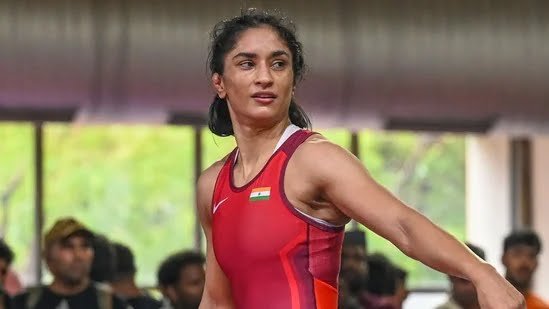
Phogat, a three-time Olympian and two-time World Championships medallist, had announced her comeback to competitive wrestling after taking retirement, during which she became a mother. Her bid to compete at the Senior Open Ranking Tournament 2026 in Gonda, Uttar Pradesh was blocked by the WFI, which declared her ineligible until June 26, 2026, citing breach of the mandatory six-month notice period required under UWW (United World Wrestling) Anti-Doping regulations.
Federation vs Athlete: The Crux of the Row
The WFI’s show-cause notice accused Phogat of failing to complete the required notice period before returning from retirement, allegedly violating anti-doping and federation regulations. It also claimed her conduct had caused “lasting damage to the reputation of Indian wrestling.” The decision effectively denied her entry into events including the Gonda National Open Ranking Tournament, initially slated to mark her long-awaited return to the mat.
Phogat vehemently rejected these allegations and maintained that the federation had “misinterpreted” her comeback timeline. In a statement released on social media, she insisted that she was cleared to resume training and competition from January 1, 2026, and dismissed claims of anti-doping breaches, including a so-called missed test as non-violative under existing rules.
Sakshi Malik’s Intervention
On May 12, veteran wrestler Sakshi Malik stepped into the controversy, emphatically supporting Phogat’s stand. In a video message circulated on her social media channels, Malik criticised the federation’s decision, noting that sports bodies globally are increasingly accommodating mothers returning to competition, and that similar allowances should be extended in India..
Malik appealed directly to Prime Minister Narendra Modi, Sports Minister Mansukh Mandaviya, and the WFI to allow Phogat to participate in trials. “Rules should encourage women athletes to return and excel after motherhood rather than creating barriers,” she stated. Malik said that facilitating Phogat’s participation in trials would send a strong message that India supports athletes who balance personal milestones with professional ambition.
What’s at Stake?
The controversy carries broader implications for Indian sport governance. Phogat’s struggles reflect a deeper debate over federation autonomy, athlete rights, and the balancing of regulatory compliance with support for elite athletes’ welfare. The row also reignites questions about how sporting bodies address issues faced by female athletes returning from maternity breaks, a subject that has attracted growing attention worldwide.
For Phogat, the stakes remain high — she has been given 14 days to respond to the show-cause notice and can appear before a disciplinary hearing. Her hopes of competing at major future events like the 2026 Asian Games now hinge on resolving this dispute.
As the wrestling community watches closely, the saga underscores the intersection of sport, policy, and gender equity — and shines a spotlight on how India’s premier athletes navigate challenges both on and off the mat.