George Best: How Today’s Generation Remembers a Football Icon
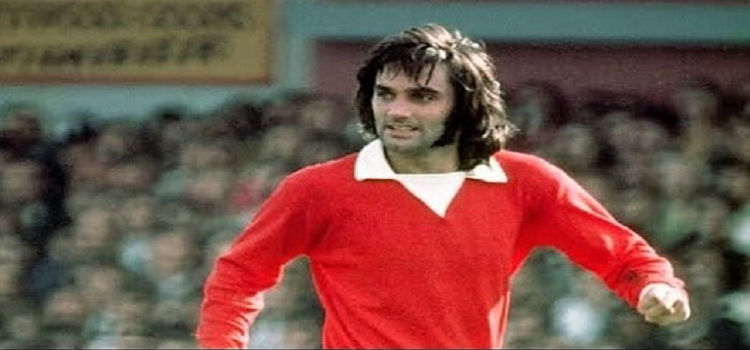
Twenty years have passed since the world lost George Best, yet his name continues to echo through football culture. The Northern Irish forward was considered one of the game’s earliest global superstars — brilliant on the pitch and headline-making off it.
Rise of a Football Phenomenon
Best’s emergence began in the 1960s at Manchester United, where his dazzling skill, fearless dribbling and instinct for the spectacular made him a sensation. By 22, he had helped United win their first European Cup and collected the Ballon d’Or. Many believed he was the most naturally gifted footballer of his era.
Fame, Spotlight and the Struggles Behind It
His fame stretched far beyond football. Portuguese media even called him the “fifth Beatle” due to his rockstar aura. But the attention came with pressure, and a glamorous lifestyle gradually shortened his peak years.
Moments That Made Him Immortal
Despite the career dips, Best left a gallery of unforgettable memories — the brilliant display against Benfica in 1968, his six-goal burst in the FA Cup, and the cheeky move past England goalkeeper Gordon Banks that fans still talk about today.
Northern Ireland’s Eternal Hero
In his home country, Best remains a symbol of pride. Belfast City Airport carries his name and a statue stands at Windsor Park. Supporters continue to honour him with applause and chants before major games.
Inspiring a New Generation
Current Northern Ireland manager Michael O’Neill calls him one of football’s first true icons. Young talents like Jamie Donley and Patrick Kelly have learned about Best through highlight reels and stories — and his magic still strikes them, even decades later.
A Legacy That Will Never Fade
As new football stars emerge, Best’s legend stays alive. His brilliance is passed down not through live memories, but through clips, tales and admiration. George Best remains a timeless reminder of what footballing genius looks like.