Stokes’ Nightclub Incident Deepens England’s Troubles

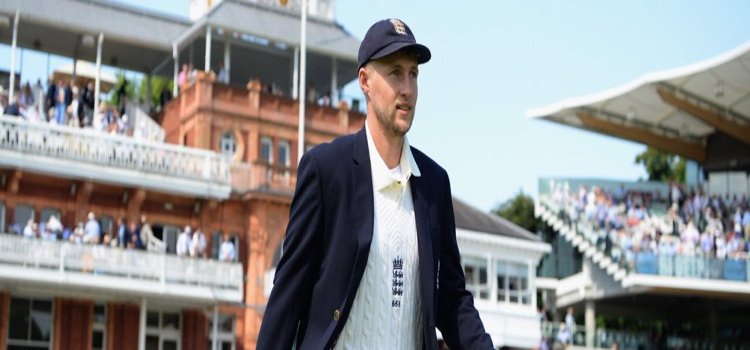
England’s preparations for the second Test against New Zealand have been overshadowed by controversy after captain Ben Stokes and fast bowler Gus Atkinson became involved in an incident at a London nightclub during the early hours of Monday morning.
The episode comes just days after England’s victory at Lord’s and has reignited questions about the team’s off-field culture. Over the past year, several England players have been linked to late-night drinking incidents, putting increased pressure on the leadership group and team management.
Stokes’ involvement has attracted particular attention because of his position as captain. England’s curfew rules, introduced after previous disciplinary concerns, remain in place, and the ECB has already acknowledged that team protocols were breached.
While the exact details of the incident are still being investigated, reports suggest an interaction occurred with Saracens academy player Totoa Auvaa. The situation escalated to the point where a member of England’s security staff suffered injuries and required medical treatment.
The outcome of the investigation could have significant implications for Stokes. If authorities conclude that he was merely present during the incident, disciplinary action may be limited. However, critics argue that as captain he should not have been in that situation in the first place.
Questions Over Leadership
Stokes has long been one of England’s most influential cricketers, but his career has also featured several off-field controversies. He was sent home from an England Lions tour in 2013 and was involved in the highly publicised Bristol nightclub incident in 2017, from which he was later cleared of affray charges.
Earlier in his career, Stokes spoke openly about reducing alcohol consumption to improve fitness and recovery. Yet following England’s win at Lord’s, he remarked that he was looking forward to celebrating with teammates.
The latest incident has intensified debate over whether drinking remains too closely linked with cricket culture. While social drinking has traditionally been part of the sport, modern professional standards increasingly emphasise recovery, fitness and discipline.
England Facing Difficult Decisions
The timing could hardly be worse for England. The second Test is just around the corner, and selectors must soon name their squad.
Atkinson’s absence, if any action is taken, could be covered by England’s pace-bowling depth, with players such as Jofra Archer waiting in the wings. Stokes, however, would be far more difficult to replace because of his dual role as captain and all-rounder.
Any decision involving Stokes would also raise questions about succession. Vice-captain Harry Brook has previously faced his own off-field scrutiny, making the leadership situation even more complicated.
Pressure on Management
The controversy also places pressure on England’s management team. Director of cricket Rob Key and head coach Brendon McCullum chose not to make major structural changes following England’s disappointing Ashes campaign and defended the team’s culture.
McCullum has often described his environment as relaxed and player-friendly, but critics argue that repeated incidents suggest stronger discipline may be required.
As the investigation continues, England’s focus has shifted away from their on-field success. The coming days will determine whether the issue results in disciplinary action, leadership changes or simply another warning.
For now, what should have been a positive start to the summer has instead left England facing uncomfortable questions about accountability, professionalism and the standards expected from their captain.