

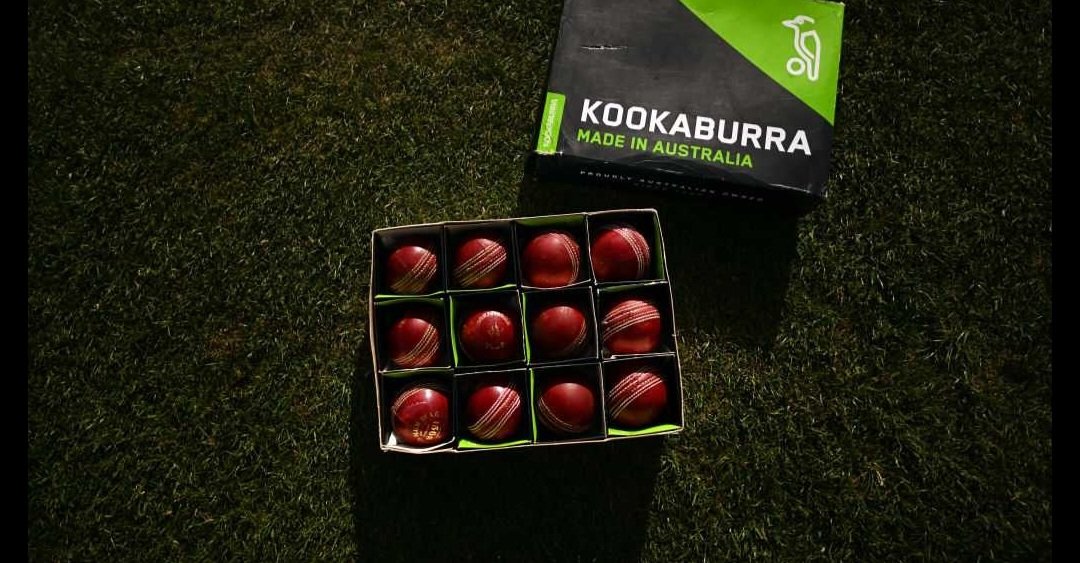
The experiment of using Kookaburra balls in the County Championship has officially been called off after three seasons. The England and Wales Cricket Board (ECB) confirmed that from the 2026 season, all 14 rounds will again be played with the traditional Dukes ball.
Why the change?
Directors of cricket from all 18 first-class counties urged the ECB to end the trial, citing the imbalance it created between bat and ball. Matches played with the Kookaburra often saw high scores and fewer exciting finishes. Earlier this summer, Surrey piled up 820 for nine declared against Durham at The Oval, one of many examples of flat contests.
Different balls, different results
The Dukes ball, hand-stitched and known for its pronounced seam, generally offers more movement and assistance to bowlers in English conditions. In contrast, the machine-made Kookaburra, commonly used in Australia, New Zealand, and South Africa, tends to go soft earlier and offers less swing.
The Kookaburra was first introduced in 2023 to help players adapt to overseas conditions. It was expected to encourage faster bowling and greater use of spin. Although spinners did bowl more overs — around 40% compared to 25% with the Dukes — many felt the overall quality of matches declined.
ECB divided on the outcome
While county sides pushed for a return to Dukes, some within the ECB’s high-performance team still defended the trial. Performance director Ed Barney said last month that the Kookaburra had met its intended goals. “To be most effective with the Kookaburra ball, you have to bowl at a higher speed,” he said. “It has drawn more spin bowling into the domestic game.”
Focus returns to competitiveness
Ultimately, the counties favoured restoring balance and competitiveness to their domestic competition. “The domestic game has to decide whether it exists to produce international players or to offer a competitive product of its own,” Barney admitted.
The decision also comes after counties rejected plans to restructure the Championship into two uneven divisions of 12 and six teams. The existing format — 10 sides in Division One and eight in Division Two, each playing 14 matches — will continue for the 2026 season.












Discussion about this post