

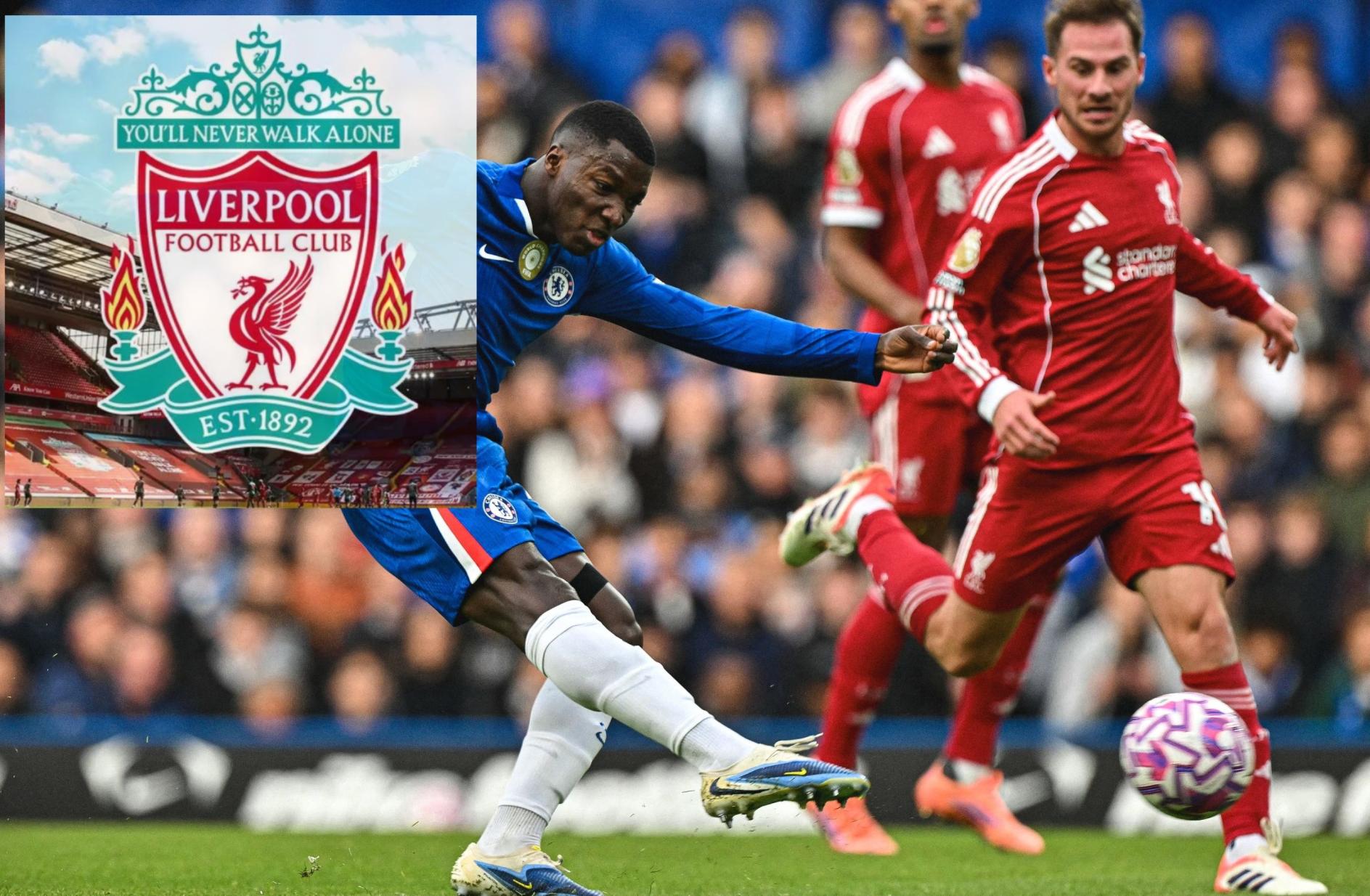
Just a few weeks ago, Liverpool seemed untouchable — champions who found ways to win even when playing below their best. Late goals against Bournemouth, Newcastle, and Arsenal painted a picture of a team with unbreakable spirit and nerves of steel. But football, as ever, loves irony.
Now, those very “late moments” have become their undoing — with Chelsea’s Estevao Willian and Palace’s Eddie Nketiah both striking in stoppage time to leave Arne Slot’s men nursing three straight defeats in just seven days.
Slot’s defence — that “fine margins” haven’t gone their way — holds some truth. Ten goals have been scored after the 80th minute in Liverpool’s 11 games this season. But what once looked like resilience now resembles fragility. A team that lived on the edge is now slipping off it.
The Cost of Change and Chaos
Liverpool’s woes aren’t just about luck. They are, at heart, about balance — or the lack of it. The summer saw an influx of nearly £450 million in signings. Florian Wirtz (£116m) and Alexander Isak (£125m) were meant to refresh the attack. Instead, their introduction has disrupted rhythm and chemistry.

The new full-backs, Jeremie Frimpong and Milos Kerkez, both naturally adventurous, have left gaping holes behind them. Gary Neville didn’t mince words, calling Liverpool’s full-backs “a problem zone” and accusing Frimpong of playing like a winger rather than a defender. Jamie Redknapp echoed the sentiment — Liverpool have lost their structure, their steady back four, and the calm control that defined their title-winning campaign.
Salah’s Struggles, Wirtz’s Growing Pains
Perhaps nothing captures Liverpool’s current malaise better than Mohamed Salah’s form. Once a symbol of ruthless precision, the Egyptian looks short of confidence — missing chances, misplacing passes, and visibly frustrated. Neville went further, calling Liverpool’s forwards “useless” in the final 15 minutes against Chelsea — a stinging assessment for a side once feared for its late surges.

Meanwhile, Wirtz, hailed as the creative heir to Liverpool’s attacking mantle, appears lost. “He looks immature,” Neville said, accusing him of drifting through games without influence or tactical understanding.
Slot’s Task: Restore Control, Not Chaos
Arne Slot’s first season brought brilliance and balance. His second is being tested by disruption and expectation. As former players remind him, every champion wears a target — and Liverpool’s is enormous. Their rivals now play with extra hunger; Chelsea and Palace proved that.
Liverpool’s challenge after the international break isn’t tactical alone — it’s psychological. They must rediscover control, restore discipline at the back, and remind themselves why they were champions in the first place.
Because for all the talk of “fine margins,” the truth is simpler: Liverpool haven’t lost their talent — they’ve lost their equilibrium. And unless Slot finds it fast, their fall from the top may accelerate as quickly as their rise once did.













Discussion about this post