Japan Open: Why Did Lakshya Sen, Satwik & Chirag Bow Out Early?
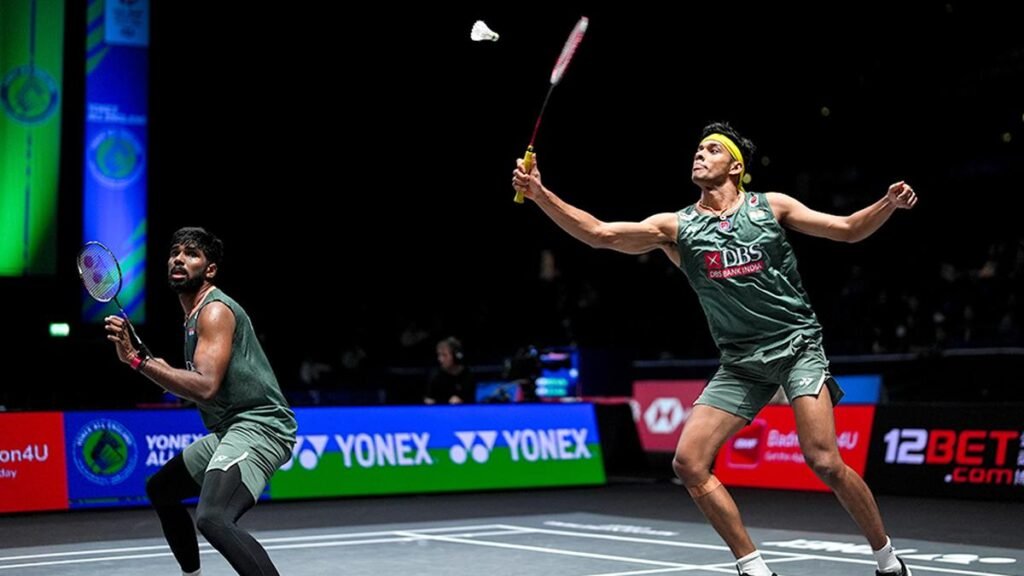
Tokyo, Japan– Indian badminton’s promising run at the Japan Open Super 750 came to an abrupt halt on Thursday, July 17, 2025, as both Lakshya Sen in men’s singles and the star men’s doubles duo of Satwiksairaj Rankireddy and Chirag Shetty bowed out in the second round. Their eliminations underscore a challenging period for the Indian contingent, marked by moments of brilliance overshadowed by inconsistency and tactical difficulties against top-tier opponents.
Lakshya Sen’s Inconsistent Momentum
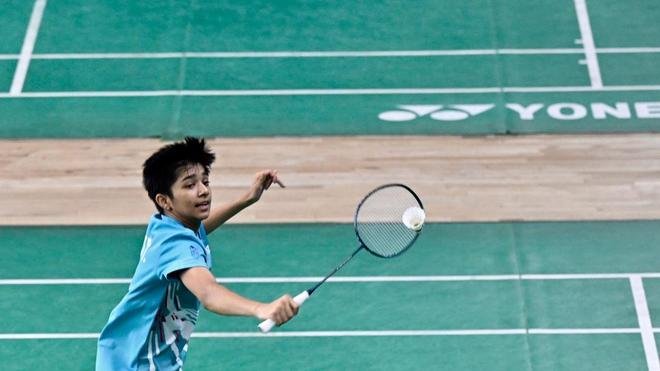
World No. 18 Lakshya Sen’s journey ended with a 19-21, 11-21 loss to Japan’s seventh seed and home favourite, Kodai Naraoka, in a match lasting close to an hour. This defeat highlights a recurring theme in Sen’s season: an inability to carry momentum through tournaments.
Key moments and reasons for loss:
- Failed Momentum: Sen had impressed in his opening match, securing a commanding straight-game victory over China’s Wang Zheng Xing. However, he was unable to replicate that sharpness and control against Naraoka, a player known for his relentless retrieving and stamina, often stretching rallies.
- First Game Close, Second Game Collapse: The opening game was tightly contested, with Sen falling just short at 19-21. This suggests competitive play but an inability to win the crucial points. The significant drop in performance in the second game (11-21) indicates a possible mental dip or a failure to adapt to Naraoka’s consistent pressure, leading to a breakdown in his game.
- Previous Inconsistency: The report itself notes his “inconsistent run” and “several first-round exits” this season. This suggests a broader challenge in maintaining peak performance across consecutive matches, which top-level tournaments like the Super 750 demand.
Satwik-Chirag’s Struggles Against Chinese Rivals
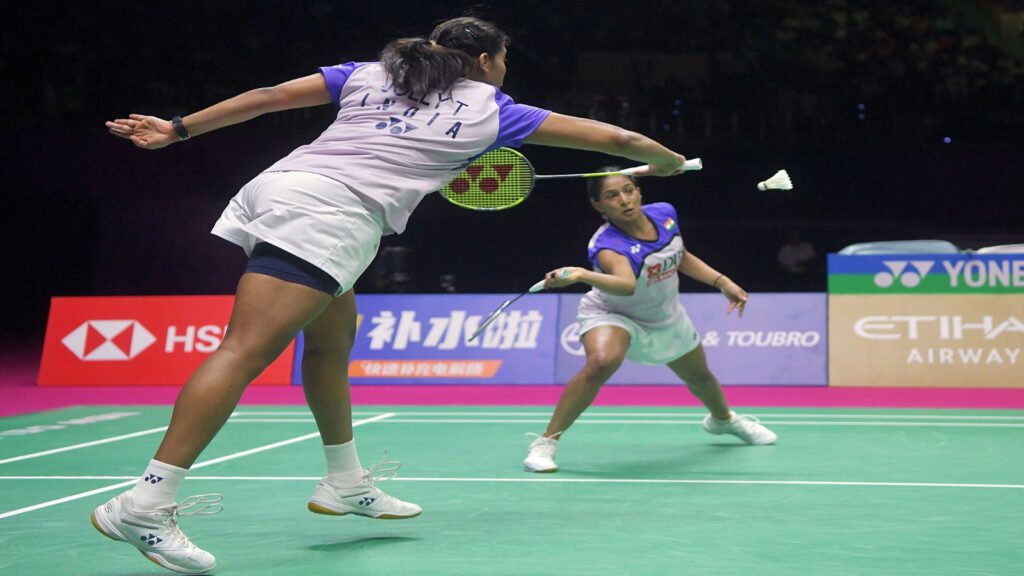
In the men’s doubles, Satwiksairaj Rankireddy and Chirag Shetty faced a tough 22-24, 14-21 defeat against the formidable fifth-seeded Chinese combine of Liang Wei Keng and Wang Chang. This loss further extends the Chinese pair’s head-to-head advantage to 7-2 over the Indians, marking their fourth consecutive victory against the former world No. 1 Indian duo.
Key moments and reasons for loss:
- Inability to Close the First Game: A crucial turning point occurred in the first game where Satwik and Chirag, after a slow start, rallied impressively to take an 18-14 lead. However, they failed to capitalize on this significant advantage, allowing the Chinese pair to mount a comeback and clinch the thrilling first game 24-22. Losing such a commanding lead can be a major blow to confidence and morale.
- Technical and Tactical Deficiencies: The report explicitly states that the Indian pair “struggled with their smashes and defence” in the second game. This points to fundamental execution issues under pressure. Against a top-ranked pair like Wei Keng and Wang Chang, who are Paris Olympics silver medallists and known for their aggressive and well-rounded play, any weakness in attack or defence is ruthlessly exploited.
- Head-to-Head Disadvantage: The extended head-to-head record (7-2) and four consecutive losses against this specific Chinese pair suggest a significant tactical or psychological hurdle. The Chinese duo seems to have found a consistent way to counter the Indians’ powerful game, perhaps by anticipating their aggressive plays or exploiting defensive gaps.
Overall, the Indian shuttlers’ exit from the Japan Open highlights the intense competition at the Super 750 level. For Lakshya Sen, the challenge remains consistency across multiple matches. For Satwik-Chirag, it’s about finding answers to specific tactical challenges posed by top rival pairs, particularly their current nemesis, Liang Wei Keng and Wang Chang.