Chaos at St James’ Park? Unpacking Newcastle’s Troubled Transfer Window
Newcastle upon Tyne, UK – Despite a successful season that saw them win silverware and qualify for the Champions League, Newcastle United faces a highly frustrating and challenging summer transfer window. With the season set to begin next week and the window closing on September 1, the club is in a race against time to strengthen its squad amidst significant boardroom upheaval, tight financial regulations, and a major transfer saga involving star striker Alexander Isak.
Boardroom Instability Impacts Recruitment
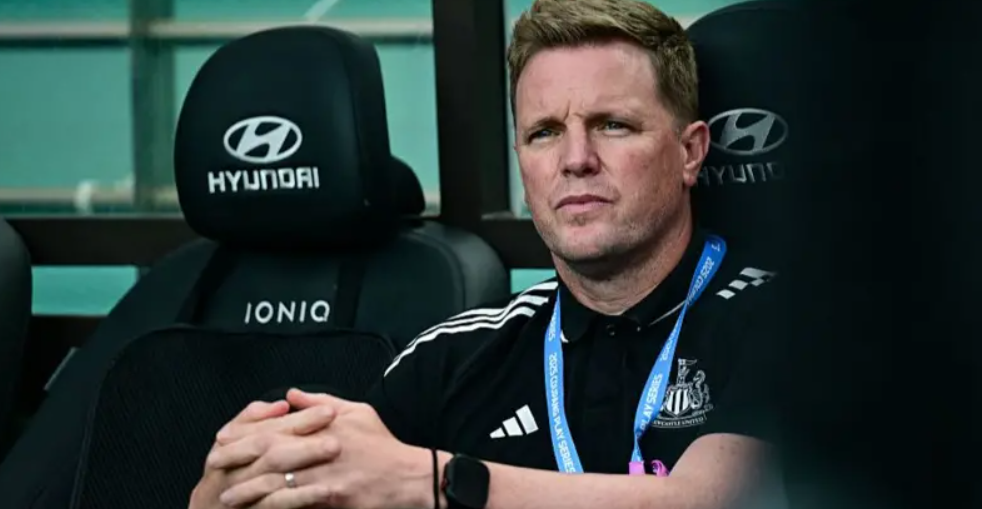
This summer has been marked by substantial changes behind the scenes for Newcastle. In May, Sporting Director Paul Mitchell departed the club by mutual consent, less than a year after joining. While initial tensions with manager Eddie Howe were noted, Howe himself acknowledged the crucial role such a figure plays in “protecting the manager from a lot of things.” This followed the prior departures of co-owners Amanda Staveley and Mehrdad Ghodoussi last summer.
Further complicating matters, CEO Darren Eales handed in his notice last autumn due to a serious health problem, and his replacement has yet to be announced. This leadership vacuum has left Eddie Howe largely at the “coalface” of recruitment alongside head of recruitment Steve Nickson and assistant Andy Howe, adding significant pressure as they navigate the transfer market.
So far, Newcastle has only managed to sign Anthony Elanga from Nottingham Forest and Aaron Ramsdale on loan from Southampton. The club is now urgently seeking a centre-back, a central midfielder, and at least one more striker before the window shuts.
Profit and Sustainability Rules (PSR) Prove Restrictive
Despite being backed by Saudi Arabia’s Public Investment Fund (PIF) and the Reuben family, Newcastle United is far from the “richest club in the world” in the context of Premier League’s Profit and Sustainability Rules (PSR). The club’s revenue streams significantly lag behind the established Premier League elite.
For instance, in their most recently published accounts, Newcastle’s revenue of £320.3 million was less than what Arsenal (£327.8m), Chelsea (£337.8m), Manchester United (£364.7m), Liverpool (£386.1m), and Manchester City (£412.6m) spent solely on wages. Historically, higher wage bills correlate with more points per game, highlighting the financial disadvantage Newcastle faces. Unlike previous disruptors who could outspend rivals before PSR’s 2013 introduction, Newcastle must operate within a strict wage structure. Recent rule changes have further tightened regulations on commercial deals linked to owners, adding to the constraints.
The Alexander Isak Saga: A Crossroads Moment
The impact of PSR and Newcastle’s financial limitations is most evident in the ongoing saga surrounding Alexander Isak. Liverpool lodged a £110 million offer for the Swedish international, which Newcastle emphatically rejected last week. However, Liverpool is expected to return with an increased bid.
This situation presents a critical crossroads for the Newcastle project. Despite their on-field success, the club’s inability to financially compete with top rivals raises questions about their capacity to retain key players. While Isak reportedly indicated a desire to explore his options, Newcastle’s stance remains firm on his three-year remaining contract.
Selling Isak, who scored over 20 Premier League goals last season, would send a concerning message and set a challenging precedent. As captain Bruno Guimaraes noted, replacing such a prolific scorer is incredibly difficult. Adding to the tension, manager Eddie Howe recently issued a stern warning that “no player can expect to act poorly and train with the group as normal,” after Isak missed pre-season and trained alone, despite the club citing a minor thigh injury.
Struggles to Recruit Key Targets
Beyond the Isak situation, Newcastle has faced broad difficulties in strengthening their squad. Many of their key summer targets, including Benjamin Sesko (who appears set for Manchester United after Liverpool signed Hugo Ekitike in July), Joao Pedro, James Trafford, Liam Delap, and Dean Huijsen, have opted to sign for other clubs.
Critics and fans have questioned whether the boardroom upheaval has contributed to these recruitment issues. While some transfers, like goalkeeper James Trafford rejoining Manchester City, involved specific clauses or player preferences, the overall struggle to secure targets underscores a challenging period for Newcastle’s ambitious project.