A Champion’s Mindset Beyond Medals
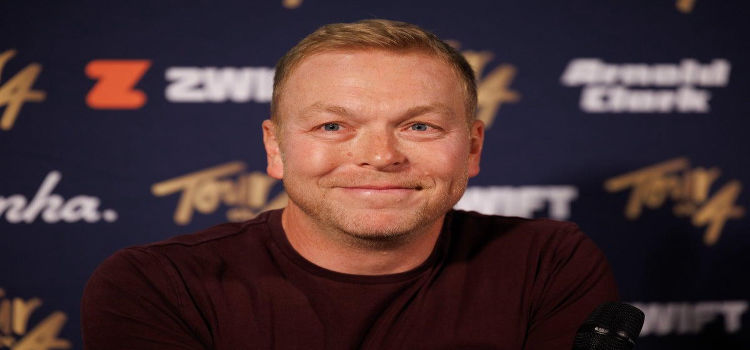
Sir Chris Hoy is standing in his kitchen, talking about coffee, breakfast routines and the habits that shaped an Olympic career. It feels ordinary on the surface, but nothing about his current reality is.
The meticulous mindset that carried Hoy to six Olympic gold medals and one silver across four Games has been repurposed for the toughest challenge of his life — living with terminal cancer.
Life After a Terminal Diagnosis
In September 2023, Hoy learned he had incurable secondary bone cancer. Doctors told him he had between two and four years to live.
The moment remains vivid. After leaving hospital, he walked the five miles home in a daze, unsure how he would explain the news to his wife, Sarra. When he finally spoke the words aloud, the emotion overwhelmed him.
Sport had always taught Hoy to focus on process rather than outcome. But this time, the stakes were no longer medals or podiums — they were life and death.
Leaning on Trusted Support
One of the first calls Hoy made after his diagnosis was to psychiatrist Steve Peters, a familiar figure from his sporting career. Peters had helped Hoy manage pressure and performance at the highest level, including during the 2004 Athens Olympics.
In the early days after the diagnosis, Peters helped Hoy and his family navigate what Sarra describes as a period of deep grief. Gradually, those conversations evolved into something else — a search for purpose.
Finding Meaning Through Advocacy
That purpose became clear. Hoy decided to use his profile to highlight gaps in cancer care, particularly around prostate cancer screening in the UK.
Both his father and grandfather had prostate cancer, and Hoy believes earlier detection could have changed his own prognosis from terminal to manageable. He now argues strongly for a national screening programme for men from the age of 45.
Alongside awareness, Hoy is also determined to show that exercise and sport can remain part of life for people undergoing cancer treatment.
Turning Grief Into a Mission
Peters describes Hoy’s response in simple terms: assess the situation, create a plan, and commit fully.
Once the initial shock subsided, Hoy channelled his energy into reaching others. What began as personal coping quickly became a public mission.
Lessons From Athens That Still Apply
The mindset Hoy leans on today mirrors the one that defined his Olympic career. Peters recalls the Athens 2004 Games, where Hoy was last to ride in the men’s kilometre time trial after rivals repeatedly broke the world record.
Instead of crumbling, Hoy responded with a world record of his own and claimed gold. The lesson was simple: control what you can, accept what you cannot.
That same philosophy now shapes how he approaches cancer — focusing on effort, preparation and meaning, rather than outcomes he cannot dictate.
Family Strength and Shared Challenges
Over the past year, cameras have followed Hoy and his family through hospital visits, physiotherapy sessions and moments of escape, including mountain biking trips in Wales with fellow Olympic cyclists.
Alongside Hoy’s diagnosis, Sarra is also managing her own condition — multiple sclerosis — adding another layer of complexity to their journey.
Tour de Four: Redefining Stage Four Cancer
In September, Hoy turned his vision into action with the Tour de Four, a mass-participation cycling event held in Glasgow. The aim was to challenge perceptions around stage four cancer and show that life does not end with the diagnosis.
The turnout was extraordinary. Sporting icons from across disciplines arrived to support him — Sir Mark Cavendish, Sir Jason Kenny, Dame Sarah Storey, Sir Ben Ainslie, Sir Steve Redgrave and many others.
Sir Andy Murray even took part, famously completing the ride in tennis shoes and boxer shorts.
The event raised more than £3 million for cancer charities across the UK.
A Setback That Strengthened Resolve
In November, the UK National Screening Committee announced it would not recommend a national prostate cancer screening programme. The decision was a blow, but it did not deter Hoy.
He described his disbelief that thousands of men each year continue to receive incurable diagnoses because cancer is detected too late. For Hoy, inaction is not an option.
Regardless of policy decisions, he remains committed to pushing for change.
A Bigger Purpose Than Sport
Hoy speaks with pride about his Olympic career, but he is clear that this chapter of his life carries greater meaning.
The drive that once revolved around medals has been redirected toward impact, awareness and helping others navigate the same reality he faces.
For a man who spent years riding in circles inside velodromes, this mission, he says, matters far more.