Different Clarke Targets Historic Scotland Breakthrough
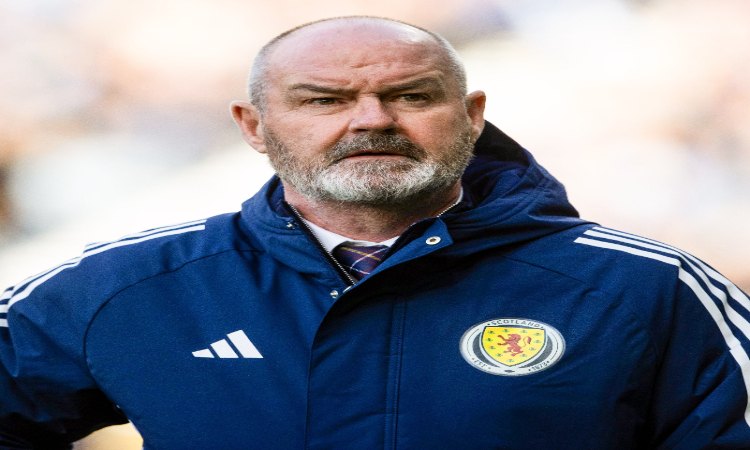
Scotland manager Steve Clarke says he is approaching the 2026 FIFA World Cup as a “different” person and believes his team are better prepared than ever to make history on football’s biggest stage.
The 62-year-old guided Scotland to Euro 2020 and Euro 2024 before ending the nation’s 28-year absence from the World Cup. While qualification itself was a major achievement, Clarke admits the previous tournaments left him wanting more.
Speaking ahead of Scotland’s World Cup opener against Haiti, the manager revealed he did not fully enjoy either of the last two major tournaments and is determined to ensure this campaign delivers a different outcome.
Scotland have never progressed beyond the group stage of a major tournament in the modern era, but Clarke believes his side now has the experience and maturity required to finally break that barrier.
Lessons From Euro Disappointments
Clarke was brutally honest when reflecting on Scotland’s recent tournament performances.
Euro 2020, played under Covid restrictions, lacked the atmosphere and feel of a traditional major competition. Euro 2024 in Germany brought huge expectations but ended in disappointment as Scotland exited in the group stage after failing to produce their best football.
The manager accepted responsibility for some of the decisions made during that campaign and believes those experiences have provided valuable lessons.
Rather than dwelling on past failures, Clarke wants Scotland to use them as motivation heading into the World Cup.
“What we’ve achieved up to now is great. Let’s see if we can achieve a little bit more,” he said.
Growing Confidence Before The Tournament
Scotland arrive at the World Cup in encouraging form.
After sealing qualification with a memorable victory over Denmark, doubts emerged following underwhelming friendly defeats against Japan and Ivory Coast. However, confidence has returned after impressive victories over Curacao and Bolivia in their final warm-up matches.
The positive results have created optimism among supporters, although Clarke insists his squad remains grounded.
The Scotland boss believes his players understand the challenge ahead and are approaching the tournament with confidence rather than complacency.
A More Attacking Scotland
One of the most notable changes under Clarke has been Scotland’s tactical evolution.
Recent matches have seen the team adopt a more aggressive 4-4-2 system featuring two central forwards and greater attacking freedom for winger Ben Doak.
The change has produced positive results and reflects Clarke’s willingness to adapt his methods.
While some critics have previously labelled him a cautious manager, Clarke believes his record shows a willingness to try different approaches whenever circumstances require.
He also feels he now has the strongest squad depth of his tenure, giving Scotland more options across the pitch than ever before.
Family Support And A Fresh Approach
Scotland have also made adjustments away from the field.
Unlike previous tournaments, players and staff will be given more opportunities to spend time with their families during the competition. Clarke believes maintaining those personal connections can help players deal with the pressures of tournament football.
The manager admitted he is particularly looking forward to seeing his grandchildren in the United States and wants to enjoy an experience he waited his entire life to achieve.
Having never played at a World Cup himself, Clarke understands the significance of the moment.
“It’s taken me 62 years to achieve what I wanted to achieve, so I’m going to try to enjoy it,” he said.
Chance To Make History
Scotland begin their campaign knowing they have an opportunity to create a landmark moment in the country’s football history.
After two consecutive European Championship appearances and years of steady progress under Clarke, expectations are higher than ever.
The manager believes tournament experience, tactical flexibility and a confident squad can finally help Scotland move beyond the group stage.
For Clarke, this World Cup is not simply about participation. It is about proving Scotland belong among football’s elite and showing that the lessons of the past can inspire a brighter future.