Monaco’s Overtaking Puzzle: Can Formula 1’s New ‘Yo-Yo Racing’ Finally Shake Up the Streets of Monte Carlo?

The Monaco Grand Prix has long been regarded as Formula 1’s crown jewel, but in recent years it has also earned a reputation for producing processional races where qualifying often decides the final result. As Formula 1 arrives in Monaco for the 2026 season, a major question hangs over the paddock: can the sport’s new regulations finally make overtaking possible on the narrow streets of Monte Carlo?
The 2026 Monaco Grand Prix will be contested over 78 laps on the 3.337-kilometre Circuit de Monaco, the shortest and slowest track on the Formula 1 calendar. Despite its iconic status, overtaking has traditionally been one of the biggest challenges at the venue, with last year’s race producing only four on-track passes.
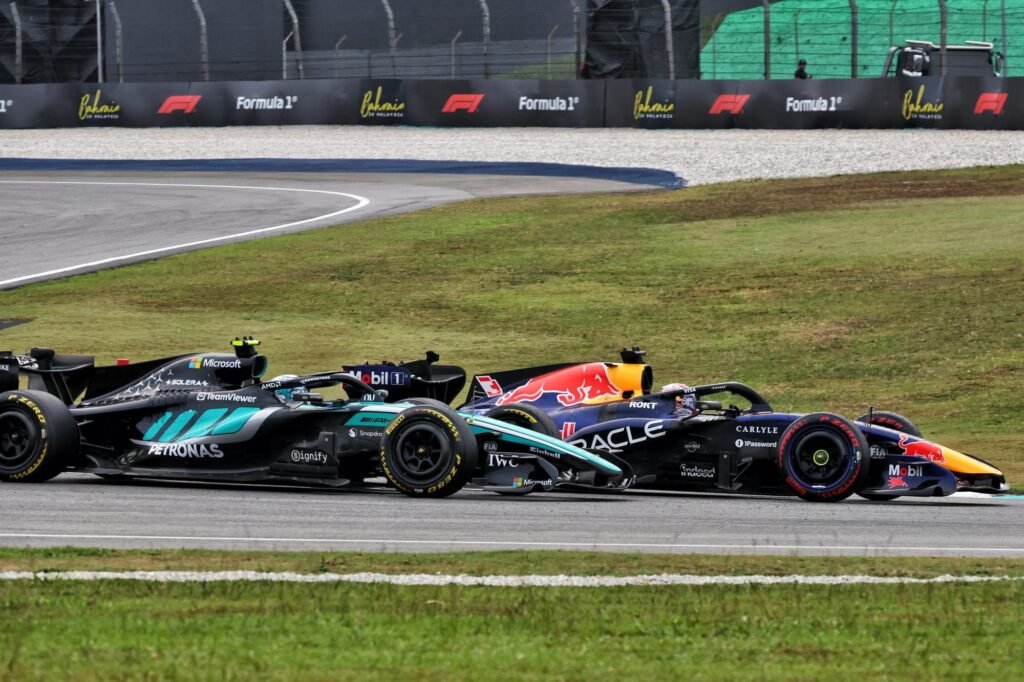
This season, however, Formula 1 has introduced a new racing dynamic that many have described as “yo-yo racing.” The concept revolves around the new overtake mode, which provides extra electrical energy to a driver running within one second of the car ahead. Across the opening races of 2026, this system has created repeated position changes and prolonged battles as drivers trade overtaking opportunities.
Monaco presents a unique test for this technology. Unlike power-sensitive circuits where energy management plays a major role, Monaco’s slow-speed layout allows cars to recover energy more effectively through braking zones. This means drivers are expected to have stronger and more consistent power deployment throughout the lap.
Another factor is the size of the new-generation cars. The 2026 machines are slightly smaller and lighter than their predecessors, which could improve agility through Monaco’s tight corners. Drivers believe the reduced dimensions may help them attack the circuit more aggressively, especially during qualifying where every millisecond counts.
However, expectations remain realistic. Monaco’s streets are still extremely narrow, and history suggests that overtaking has always been difficult regardless of the era. Even with technological improvements, many in the paddock believe track position will continue to be the decisive factor on race day.
The statistics underline Monaco’s unique challenge. Since 1950, only ten races have been won by drivers starting lower than third on the grid. The last three editions have all been won from pole position, highlighting the importance of Saturday’s qualifying session.
Defending Monaco winner Lando Norris enters the weekend as the reigning champion around the streets of Monte Carlo, while local hero Charles Leclerc will once again look to shine at his home race. Meanwhile, Formula 1 fans will be eager to discover whether the new era of “yo-yo racing” can finally add an extra layer of excitement to one of motorsport’s most prestigious events.
For now, Monaco remains Formula 1’s ultimate paradox: a circuit adored by drivers, treasured by fans, and yet constantly challenged by the sport’s pursuit of better racing. This weekend may provide the first clues as to whether Formula 1’s latest innovations can change that narrative.
Key Facts
Circuit: Monaco Street Circuit
Race Distance: 260.286 km
Laps: 78
Defending Winner: Lando Norris
Fastest Race Lap Record: Lewis Hamilton – 1:12.909 (2021)
Most Monaco Wins: Ayrton Senna (6)
2025 Race Overtakes: Only 4
Last Three Monaco GPs: Won from Pole Position