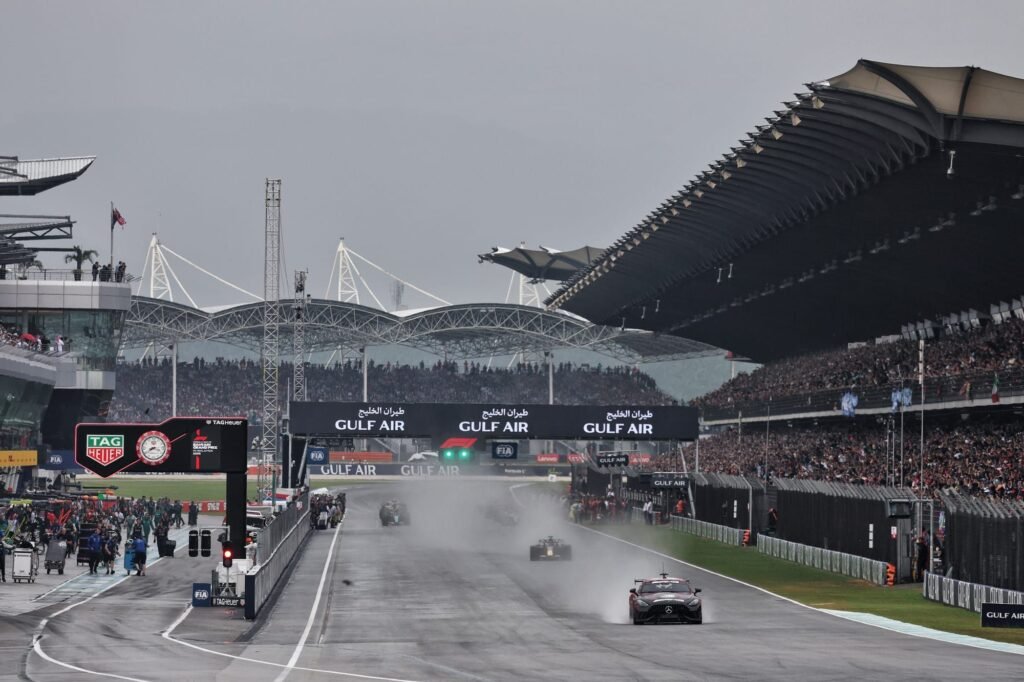
Formula 1 is once again in the spotlight, not just for its racing but for growing debate over how the sport is being governed on track. Drivers and teams are increasingly questioning the consistency of decisions, particularly around overtaking rules and racing conduct, as the championship battle tightens.
At the centre of the discussion is how wheel-to-wheel racing is being judged. Several recent incidents have sparked differing interpretations, with some drivers feeling they are being penalised too harshly, while others argue that leniency could encourage risky moves. The lack of uniformity in decisions has left teams frustrated, especially when similar incidents appear to yield different outcomes.
The issue has also highlighted a broader concern about how modern Formula 1 balances safety with competitive racing. While strict regulations are meant to prevent dangerous situations, there is a growing sentiment that too many restrictions could dilute the essence of racing—hard, fair battles on track.
Race stewards and the FIA now find themselves under pressure to provide clearer guidelines and more consistent rulings. With every point crucial in the championship race, even minor decisions can have major consequences.
As the season progresses, the spotlight will remain firmly on how these rules are applied. In a sport where precision matters in every millisecond, clarity off the track may prove just as important as performance on it.


Discussion about this post