


The 2026 season of Formula 1 is set to usher in one of the most sweeping regulatory transformations in the sport’s modern history. With redesigned cars, radically revised hybrid power units, and a shift in overtaking philosophy, the central question remains: after the reset, will drivers still make the difference?
According to analysis from BBC Sport, the answer appears to be yes — but in a different way than before.
A Technical Revolution
The 2026 regulations represent a fundamental shift in how Formula 1 cars are built and driven. The new power units will rely far more heavily on electrical energy, moving toward a near 50-50 balance between internal combustion and electric power. The aim is greater sustainability and efficiency, but the consequence is a dramatic increase in energy management complexity.
In addition, the long-standing Drag Reduction System (DRS) will be removed. In its place comes a more dynamic, energy-deployment model that places greater responsibility on drivers to determine when and how to use available power. Instead of relying on a predefined overtaking aid, drivers will actively control energy release and recovery throughout a lap.
The cars themselves will also be lighter and more aerodynamically adaptable, potentially making them more reactive and challenging to handle.
The Driver’s Role: Reduced or Redefined?
While technological complexity is increasing, the human element is not disappearing. Rather than diminishing driver influence, the new regulations appear to shift where that influence lies.
Energy management will become central to racecraft. Drivers will have to decide in real time when to deploy stored electrical energy for overtaking or defending, and when to conserve it for later in the race. These split-second judgments could define race outcomes.
Equally important is adaptability. Early feedback suggests the new cars may behave differently through corners and under braking. Drivers who can quickly understand and extract performance from unfamiliar machinery are likely to gain an advantage.
Divided Opinions in the Paddock
Not everyone views the changes in the same light.
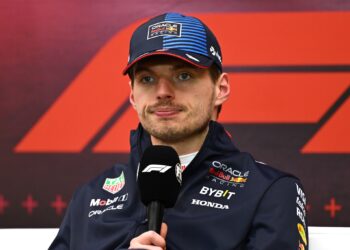
Reigning world champion Max Verstappen has reportedly expressed concerns that excessive focus on energy management could detract from pure racing, even suggesting that it risks resembling Formula E more than traditional Formula 1 competition.
On the other hand, drivers such as Lando Norris have indicated that the new rules could create more dynamic and unpredictable racing, with additional tactical layers leading to greater on-track battles.
This contrast highlights the broader debate within the sport: whether technological sophistication enhances competition or complicates it.
Intelligence as the New Edge
One notable aspect of the 2026 reset is the increased cognitive load placed on drivers. Modern Formula 1 cars already require constant communication with engineers, extensive steering-wheel adjustments, and strategic awareness. Under the new regulations, mental sharpness may become even more decisive.
Drivers will need to balance tire management, energy deployment, defensive positioning, and race strategy simultaneously. The ability to process data quickly and make accurate decisions under pressure could become as valuable as outright speed.
The governing body, the FIA, has designed the new framework to promote closer racing while maintaining sustainability goals. Whether that balance is achieved will become clear only once the cars hit the track in competitive conditions.
Conclusion
The 2026 regulation overhaul does not eliminate the driver’s importance; it reshapes it. The skills required to succeed will evolve from a primary focus on mechanical feel and aerodynamic exploitation to a broader combination of technical understanding, strategic intelligence, and racecraft.
In this new era, champions will not simply be the fastest over one lap. They will be the most adaptable, the most tactically aware, and the most capable of mastering a car that demands both precision and strategic foresight.
Formula 1 is changing. The drivers, as always, will determine who thrives within it.










Discussion about this post