Unbeatable Australia: Who Can Break the Streak?

At the end of the group stage of the Women’s World Cup, one question looms large. How do you beat Australia? The defending champions have stormed into the semi-finals unbeaten, finishing with their most dominant win yet by bundling out South Africa for just 97.
Relentless depth across the XI
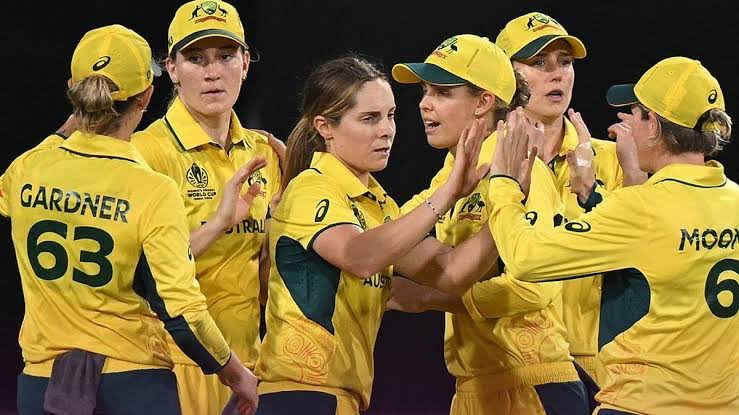
Even during their one wobble of the tournament, slipping to 76-7 against Pakistan, Beth Mooney’s century dragged them to a competitive 221-9. Their strength lies in staggering batting depth — Australia can attack early without fear because someone always steps up. Eight players in their XI against England were genuine bowling options, a luxury no other team possesses.
They average 73 for the first wicket, have the best powerplay run-rate (6.26) and strike at 107.2 against pace. Centuries from Healy and Ash Gardner, plus Mooney and an unbeaten 98 from Annabel Sutherland, show how evenly the scoring is shared.
With Gardner’s off-spin, and McGrath or Perry not always required to bowl, the balance is unmatched.
Is there a weakness to exploit?
Sutherland’s 15 wickets lead the tournament, but pace in the powerplay has been inconsistent. South Africa and England have better economy rates in the first 10 overs, meaning early breakthroughs might be the only way to apply pressure.
Australia have also wobbled when batting first — against New Zealand and Pakistan — and haven’t needed their finishing skills much, striking at 7.55 in the final overs, behind India and South Africa. Forcing them into a tough death-overs battle could test them under real pressure.
Who stands the best chance?
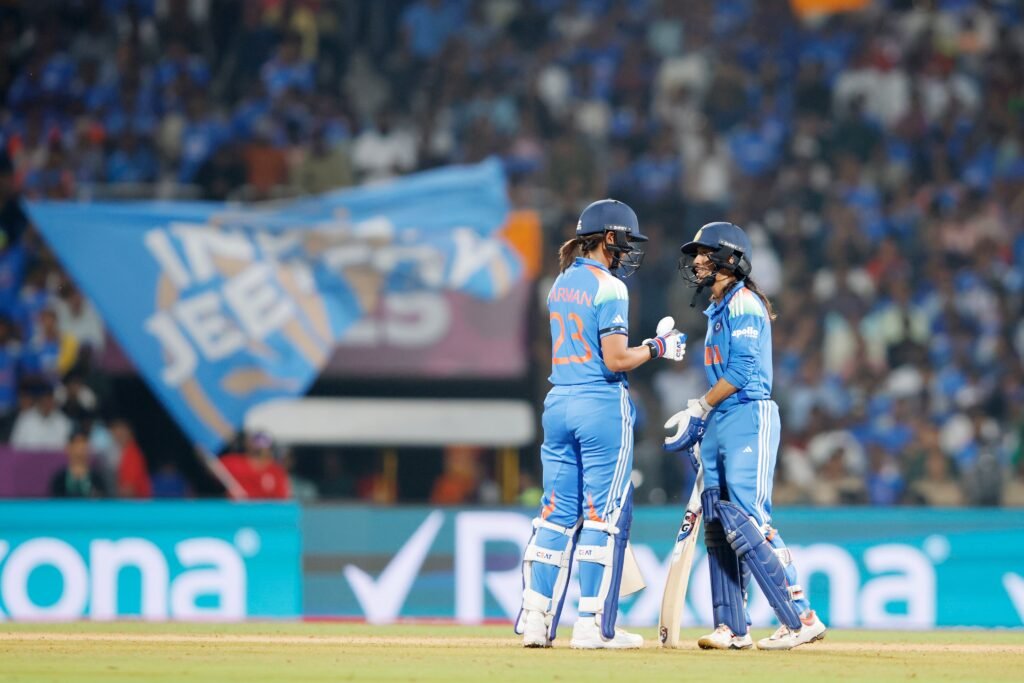
India look the biggest threat, the only team to beat Australia in a recent ODI and with strong openers in Mandhana and Rawal — injury pending. England bring superior bowling phases. South Africa excel late with the bat.
Beating Australia, though, demands near-perfection — and even that might not be enough. The mental battle of facing a giant on a historic streak could be the toughest challenge of all.