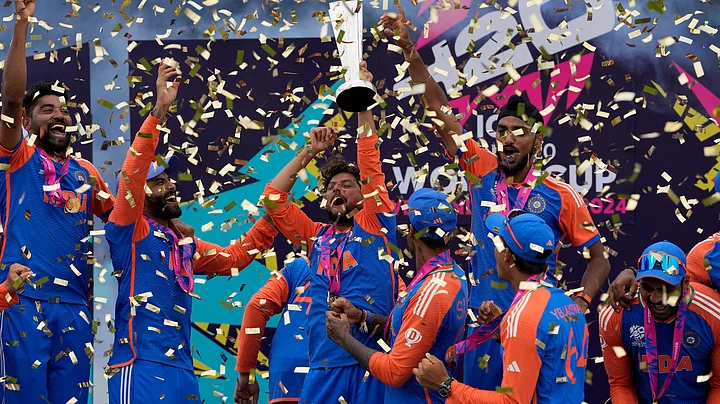
ODIs Fight for Relevance Amid T20 Boom and Player Fatigue
In an era dominated by explosive T20 leagues and shrinking attention spans, the 50-over format — once the crown jewel of world cricket — finds itself in an identity crisis. Once seen as the perfect balance between the patience of Test cricket and the fireworks of T20s, One-Day Internationals (ODIs) now face a defining test of survival.

The Present Picture: Crowded Calendars and Changing Priorities
The biggest challenge facing ODI cricket today is not a lack of talent or tradition — it’s time. The cricket calendar has never been more congested, with leagues like the IPL, BBL, and Major League Cricket turning into year-round attractions. Amid these commercial juggernauts, bilateral ODI series often feel like filler material — wedged between marquee T20 tournaments and Test assignments.
Players, too, have shifted their focus. With lucrative contracts and shorter commitments, T20 leagues offer both financial security and lifestyle balance. Top stars now routinely “rest” during ODI series, diluting quality and fan engagement. For audiences, a 50-over game can seem indulgently long in an era defined by 15-second highlights and three-hour matches.
Why ODIs Still Matter
Despite these pressures, ODIs remain far from obsolete. The 2023 ICC World Cup in India shattered global viewership records, reminding everyone of the format’s enduring pull. The drama, strategy, and narrative arcs of a full-day contest still resonate — especially when national pride is at stake.
Unlike the frenzied pace of T20s, ODIs offer space for ebb and flow: rebuilding after collapse, setting up finales, and testing endurance. It’s a thinking cricketer’s format, rewarding adaptability and craft — a bridge between the discipline of Test cricket and the innovation of T20s.
Paths to Reinvention
Cricket’s custodians are aware that the ODI format cannot afford stagnation. Innovations have been floated — from dividing 50 overs into two 25-over innings, to introducing tactical “super powerplays” that captains can deploy mid-innings. The ICC’s 2025 decision to let teams continue with a used ball after the 34th over — reviving the lost art of reverse swing — is one such step aimed at restoring balance between bat and ball.
Structural reforms are also on the table. Many have advocated for a two-tier ODI league system with promotion and relegation, injecting meaning into every match. Others suggest cutting down bilateral ODIs and focusing on multi-nation tournaments to make each game count.
Ultimately, the future may rest on a compromise — fewer, higher-quality ODIs that serve as milestones rather than routine fixtures.
 India’s Measured Approach
For India, the world’s cricketing powerhouse, ODIs continue to hold deep emotional and strategic value. While the country’s cricketing machine thrives on T20 success, the 50-over World Cup remains the ultimate prize.
India’s current plan reflects a pragmatic balance: a focus on short three-match ODI series, leading into the 2027 World Cup. Between now and the tournament — to be hosted across South Africa, Zimbabwe, and Namibia — India is scheduled to play around 26 to 33 ODIs, a significant reduction compared to earlier years.
The itinerary includes key home and away fixtures against South Africa, New Zealand, England, Bangladesh, West Indies, and Sri Lanka, as well as the **Asia Cup 2027 in Bangladesh**. These limited opportunities will test India’s ability to keep its ODI unit sharp amid the dominance of franchise cricket.

Legends, Legacy, and the Last Hurrah
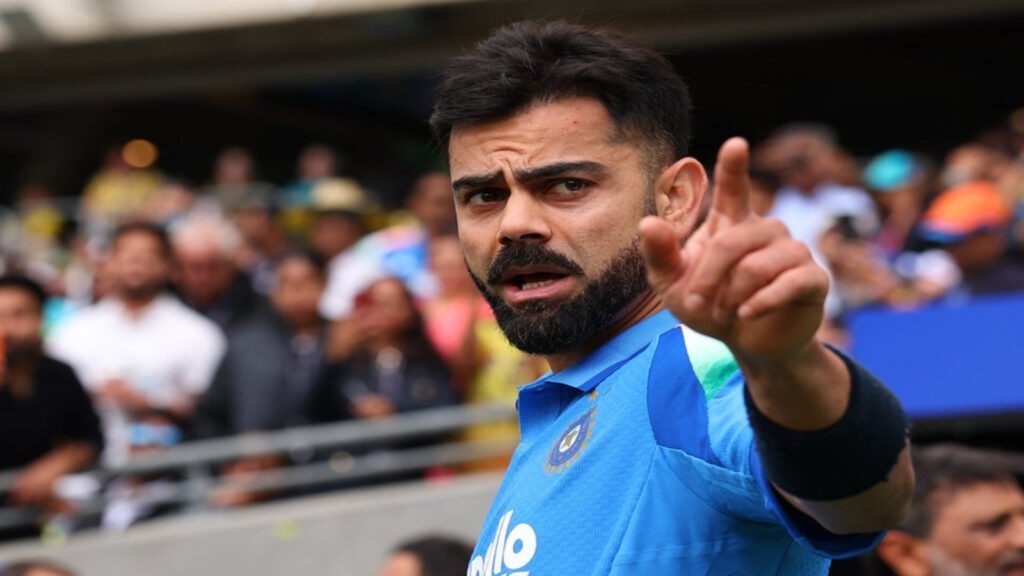
As the countdown to the 2027 World Cup begins, the tournament could mark the final chapter for India’s modern giants — Rohit Sharma and Virat Kohli. Both have retired from Tests and T20Is, but remain vital to India’s ODI core. Despite speculation about their future following Rohit’s removal from the ODI captaincy, their performances suggest they are far from finished.
Rohit, named Player of the Series after scoring a century and a fifty in India’s recent ODIs, continues to lead by example. Kohli, after a brief slump, roared back with a decisive 74 in the final match of the series. For fans, their continued presence adds emotional weight to India’s 50-over journey — perhaps the last great ODI chapter for a generation that grew up idolizing them.
Looking Ahead: Evolution or Extinction?
The fate of ODIs may not hinge on survival alone, but on **reinvention**. The World Cup will continue to captivate, but the everyday relevance of bilateral ODIs depends on cricket’s willingness to adapt — to innovate rules, optimize schedules, and re-engage audiences.
For now, the ODI still stands as a vital bridge in cricket’s evolutionary arc — not just a relic of the past, but a format capable of reinvention. As India looks toward the 2027 World Cup, the story of 50-over cricket is far from over. It is, perhaps, entering its most important phase yet — a fight not for existence, but for renewed purpose.