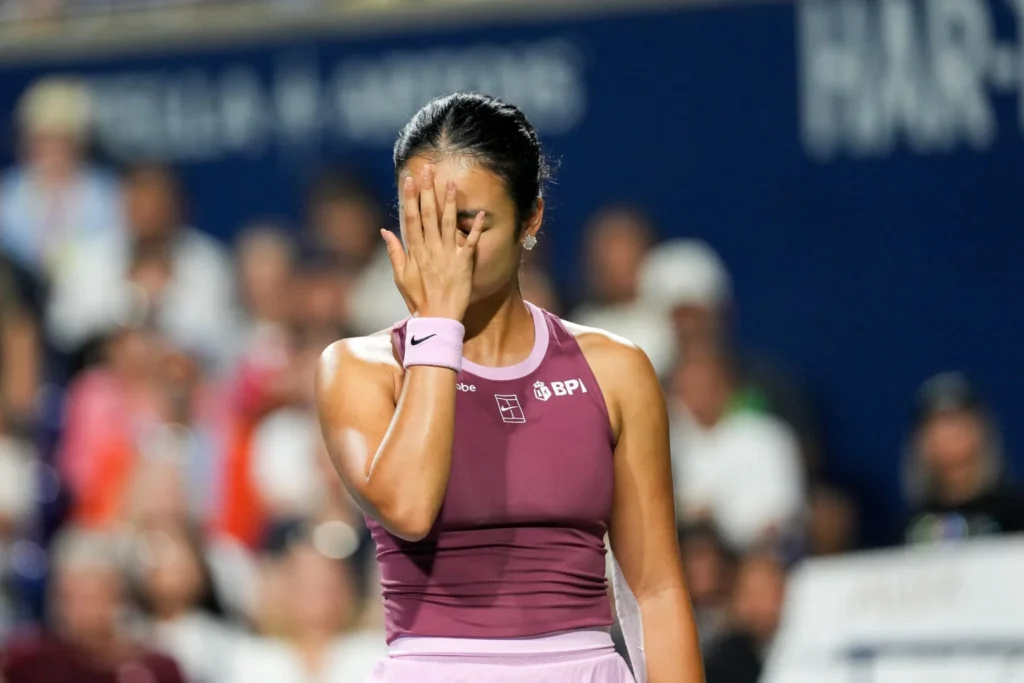
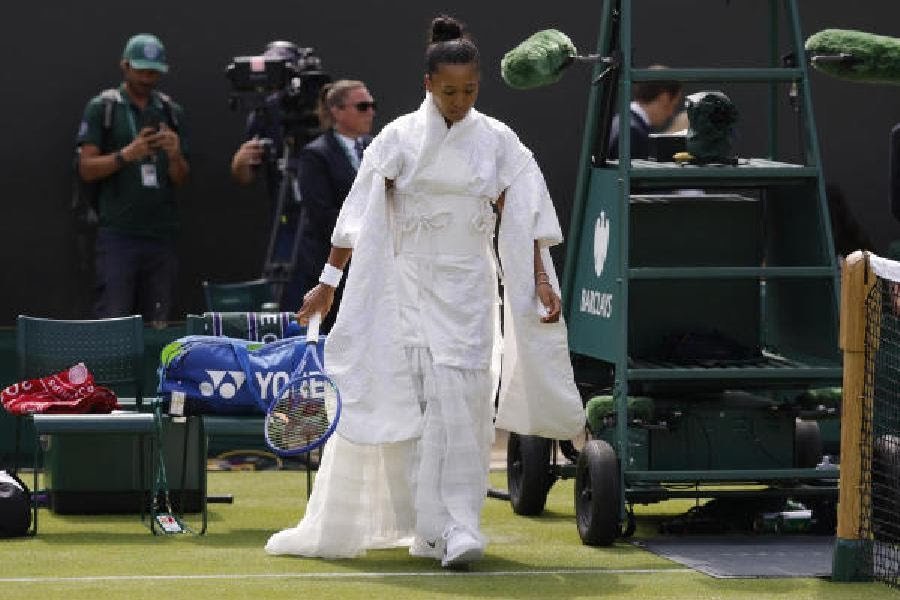
Sabalenka And Osaka Show Why Women Deserve More French Open Night Sessions

Aryna Sabalenka hopes her French Open victory over Naomi Osaka can help open the door for more women’s matches in the tournament’s prestigious night-session slot.
The world number one defeated four-time Grand Slam champion Osaka 7-5, 6-3 on Monday in a high-quality fourth-round contest on Court Philippe-Chatrier. The match ended a run of 33 consecutive men’s night-session matches at Roland Garros and was only the fifth women’s match to be given the prime-time slot since its introduction in 2021.
Following her victory, Sabalenka expressed hope that the occasion would encourage organisers to showcase more women’s tennis during the evening sessions.
“I hope this is the beginning and we open the door to more women’s night sessions,” Sabalenka said.
Osaka echoed those sentiments, saying she felt honoured that tournament organisers selected their match for one of the most-watched slots of the championship.
Star Power And High-Quality Tennis Deliver Perfect Showcase
The match featured two of the biggest names in women’s tennis, with both players entering the contest as four-time Grand Slam champions.
A near-capacity crowd watched an entertaining battle filled with powerful baseline exchanges, aggressive shot-making and plenty of drama. Sabalenka’s greater consistency and variety eventually proved decisive as she secured her place in the quarter-finals.
The contest also highlighted the growing debate surrounding the lack of women’s representation in the French Open’s evening schedule. Since night sessions were introduced in 2021, organisers have overwhelmingly favoured men’s matches, often citing concerns that women’s contests could finish too quickly because they are played over three sets rather than five.
French Open tournament director Amelie Mauresmo has repeatedly pointed to match duration as a factor in scheduling decisions. However, the Sabalenka-Osaka clash provided a compelling example of the quality, entertainment and star appeal that women’s tennis can offer on the sport’s biggest stages.
Many observers had argued that if a match featuring the world number one against a former world number one and multiple Grand Slam champion was not selected for a night session, it would raise serious questions about what kind of women’s match would ever be considered worthy.
The encounter ultimately delivered on expectations, with fans treated to a fast-paced and entertaining contest under the lights in Paris.
Both players welcomed the opportunity to showcase the women’s game in prime time, with Osaka praising the tournament for placing its trust in them.
The successful staging of the match is likely to strengthen calls for more women’s night-session matches at future editions of Roland Garros, with many hoping it marks the beginning of a more balanced approach to scheduling at one of tennis’ most prestigious events.