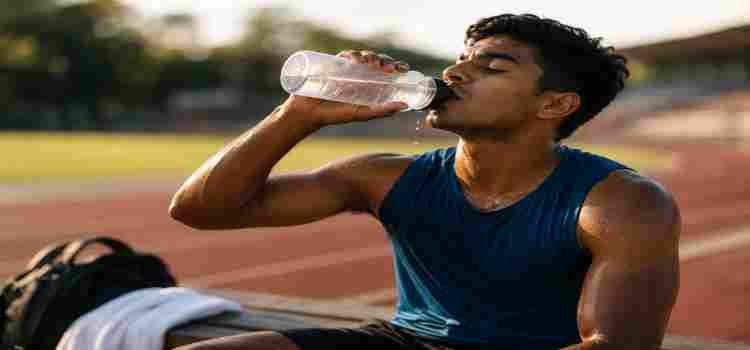
Why Water Still Wins: The Hydration Rule Every Athlete Must Follow
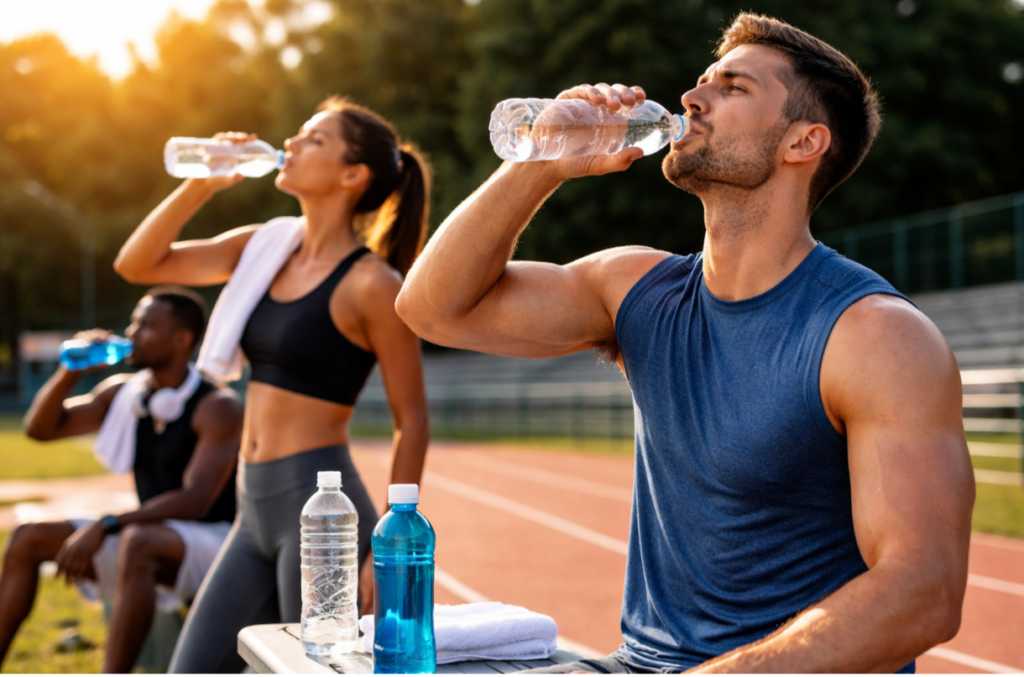
In modern sports science, performance is no longer defined solely by training intensity or skill level. Nutrition and hydration have emerged as equally critical components in determining an athlete’s success. Among these, hydration stands as a fundamental yet often underestimated factor. While sports drinks are widely promoted as performance enhancers, water continues to remain the most essential and reliable source of hydration for athletes across all disciplines.
Science of Hydration
Water constitutes nearly 70% of the human body, making it vital for almost every physiological process. For athletes, its importance is even greater due to increased fluid loss during physical activity. Sweat, the body’s natural cooling mechanism, leads to the loss of both water and electrolytes. If not replenished adequately, this can disrupt internal balance and negatively impact performance.
Even mild dehydration can lead to:
• Reduced endurance and stamina
• Increased fatigue
• Impaired concentration and reaction time
• Higher risk of muscle cramps and injuries
Studies in sports physiology indicate that a 2% reduction in body weight due to fluid loss can significantly affect physical and cognitive performance, highlighting the need for consistent hydration.
How Much Water Should Athletes Consume?
Hydration needs vary based on factors such as sport type, duration, climate, and individual physiology. However, general recommendations provide a useful guideline.
Daily Hydration Needs:
Most athletes require 3–4 litres of water per day, with higher intake in hot and humid environments.
Pre-Exercise Hydration:
Consuming 400–600 ml of water 2–3 hours before activity ensures the body starts in a well-hydrated state.
During Exercise:
Athletes should aim to drink 150–250 ml every 15–20 minutes, depending on sweat rate and intensity.
Post-Exercise Recovery:
Rehydration should include 500–700 ml of fluid for every 0.5 kg of body weight lost during exercise.
These guidelines can be adjusted based on individual needs, with elite athletes often following personalised hydration strategies.
Role of Water in Performance and Recovery
Water is not just a fluid — it is a performance enabler. Its benefits extend across multiple aspects of athletic function.
Temperature Regulation
During intense activity, body temperature rises. Water helps dissipate heat through sweating, preventing overheating and heat-related illnesses.
Muscle Function and Strength
Proper hydration ensures efficient muscle contractions, reducing the likelihood of cramps and fatigue.
Endurance and Energy Efficiency
Well-hydrated athletes maintain better cardiovascular function, allowing them to sustain effort for longer periods.
Recovery and Repair
Post-exercise hydration supports nutrient transport, reduces muscle soreness, and accelerates recovery.
Cognitive Performance
Hydration also influences focus, decision-making, and reaction time — critical elements in competitive sports.
Sports Drinks: Functional but Not Essential
Sports drinks are specifically formulated to replenish fluids, electrolytes, and carbohydrates lost during prolonged or intense exercise. They can be beneficial in certain conditions, particularly during endurance events lasting more than 60–90 minutes, high-intensity training sessions, or activities performed in extreme heat or humidity.
The presence of electrolytes like sodium helps maintain fluid balance, while carbohydrates provide a quick source of energy. However, these benefits come with limitations.
Impact of Added Sugar on Performance
A key concern with sports drinks is their high sugar content. While sugar provides immediate energy, excessive intake can have negative effects such as energy fluctuations, unnecessary calorie intake, and potential dental and metabolic concerns over time.
For athletes engaged in short-duration or moderate-intensity activities, these drinks often provide more sugar than required, without offering significant performance advantages.
Water and Sports Drinks: Making the Right Choice
Choosing between water and sports drinks depends largely on the nature of activity.
Water is sufficient for:
• Gym workouts and fitness training
• Skill-based sports sessions
• Activities lasting less than an hour
Sports drinks may be beneficial for:
• Marathon running, cycling, and endurance sports
• Competitive matches with prolonged exertion
• High-temperature environments with excessive sweating
The key lies in using sports drinks strategically, rather than as a daily replacement for water.
Hydration Strategies
Developing a structured hydration plan can significantly enhance performance. Effective strategies include drinking consistently throughout the day, monitoring urine colour, weighing before and after exercise to estimate fluid loss, and adjusting intake based on weather and training intensity.
Athletes who follow disciplined hydration practices often demonstrate better consistency, reduced injury risk, and improved overall performance.
In an era of advanced sports nutrition products, water continues to stand as the most reliable and essential component of athletic success. While sports drinks have their place in high-demand situations, they should complement — not replace — natural hydration.
For most athletes, the foundation of performance lies not in complex formulations, but in simple, consistent habits. Choosing water as the primary source of hydration ensures not only optimal performance but also long-term health and sustainability.
In the balance between water and sports drinks, the simplest choice often proves to be the most powerful.