Wimbledon’s Timeless Warriors: From the Oldest Trailblazers to the Modern Age Defiers

Wimbledon, the world’s oldest tennis tournament, has long been synonymous with tradition, prestige and sporting excellence. Played on immaculate grass courts in London, The Championships are often ruled by youth and athleticism. Yet, across eras, Wimbledon has also produced remarkable stories of players who defied time itself—competing, enduring and, at times, excelling well beyond conventional career limits.
From the amateur age to the modern Open Era, Wimbledon has repeatedly shown that experience, resilience and tactical mastery can rival youthful power, making the All England Club a unique stage where age bows to ambition.
Martina Navratilova: Redefining Longevity at the All England Club
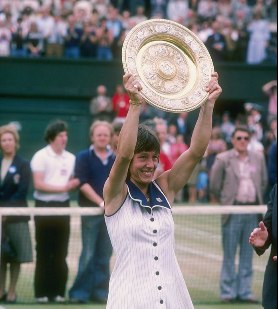
No discussion on age and Wimbledon is complete without Martina Navratilova, the ultimate symbol of tennis longevity. According to her Wikipedia profile, Navratilova won a singles match at Wimbledon in 2004 at the age of 47 years and eight months, making her the oldest player to win a singles match in the Open Era.
While her nine Wimbledon singles titles were secured earlier in her career, her late-career appearance stunned the tennis world. As confirmed by Wimbledon.com and Guinness World Records, Navratilova also became the oldest Wimbledon champion ever when she captured the mixed doubles title in 2003 at the age of 46—proof that class, fitness and competitive fire can outlast time.
Ken Rosewall: The Oldest Man of the Open Era
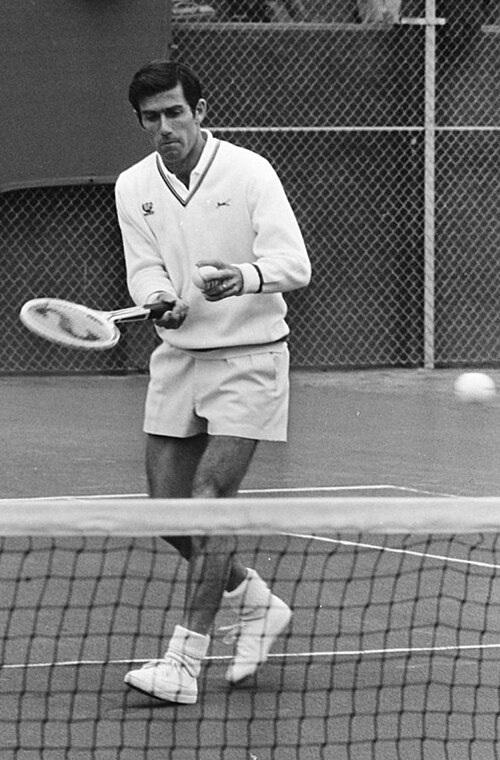
According to the International Tennis Hall of Fame, the Australian great is regarded as one of the finest players never to win the Wimbledon singles title. Across two eras, Rosewall reached the singles final at the All England Club on four occasions — 1954, 1956, 1970 and 1974 — a testament to his extraordinary longevity and consistency.
His closest brushes with the trophy came during the Open Era. Rosewall finished runner-up in 1970 and again in 1974, with the latter run etched into history. At 39 years of age, he became the oldest man to reach a Grand Slam singles final in the Open Era, a milestone highlighted by the Hall of Fame.
Though a Wimbledon singles crown ultimately eluded him, Rosewall’s enduring excellence, precision and resilience have ensured his place among tennis’s all-time greats.
Arthur Gore: A Champion Beyond 40
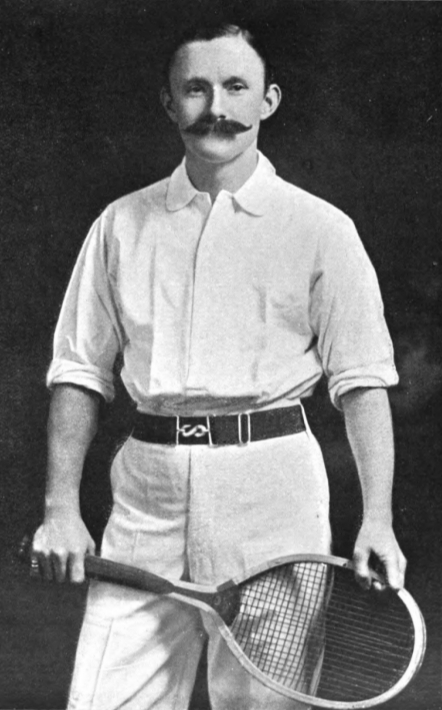
From the amateur era, Britain’s Arthur Gore produced one of Wimbledon’s most astonishing achievements. According to his biography on the Olympics website, Gore won the men’s singles title in 1909 at the age of 41, making him the oldest men’s singles champion in tournament history.
His longevity did not end there. Gore reached another Wimbledon final at 44, a feat that remains unmatched more than a century later, underlining how early champions relied heavily on skill, placement and mental fortitude.
Ivo Karlović: Power and Persistence in the Modern Game
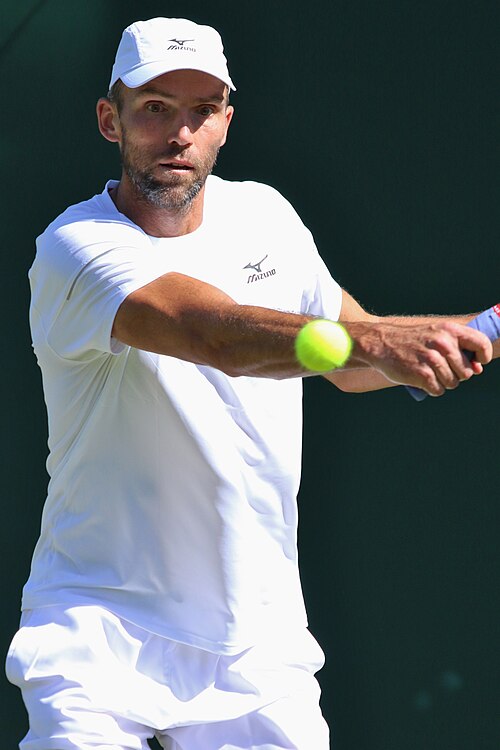
In an era dominated by speed and athleticism, Ivo Karlović demonstrated that experience and serve power could still compete at the highest level. According to Wimbledon.com, the Croatian featured at Wimbledon in 2019 at the age of 40, becoming the oldest men’s singles competitor at the Championships since Rosewall.
Although Karlović never claimed the singles title, his presence reinforced how grass courts continue to reward tactical intelligence and controlled aggression.
Charlotte Cooper Sterry: The Matriarch of Women’s Wimbledon
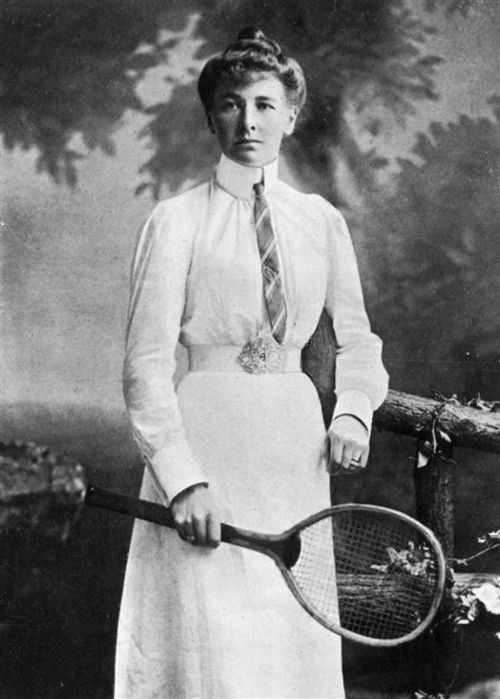
Charlotte Cooper Sterry, from Ealing in Middlesex, remains the oldest women’s singles champion in Wimbledon history. She was 37 when she won the 1908 title and claimed five championships between 1895 and 1908, according to Wimbledon.com.
Despite losing her hearing during her career, Sterry continued to compete at the highest level. She famously owned just two rackets—one for bad weather practice and another for fair-weather matches—and often cycled to the courts. At 41, she reached the final of the 1912 Championships, finishing runner-up for the sixth and final time,according to Wimbledon.com.
Venus Williams: A Champion Still Rewriting Age Records
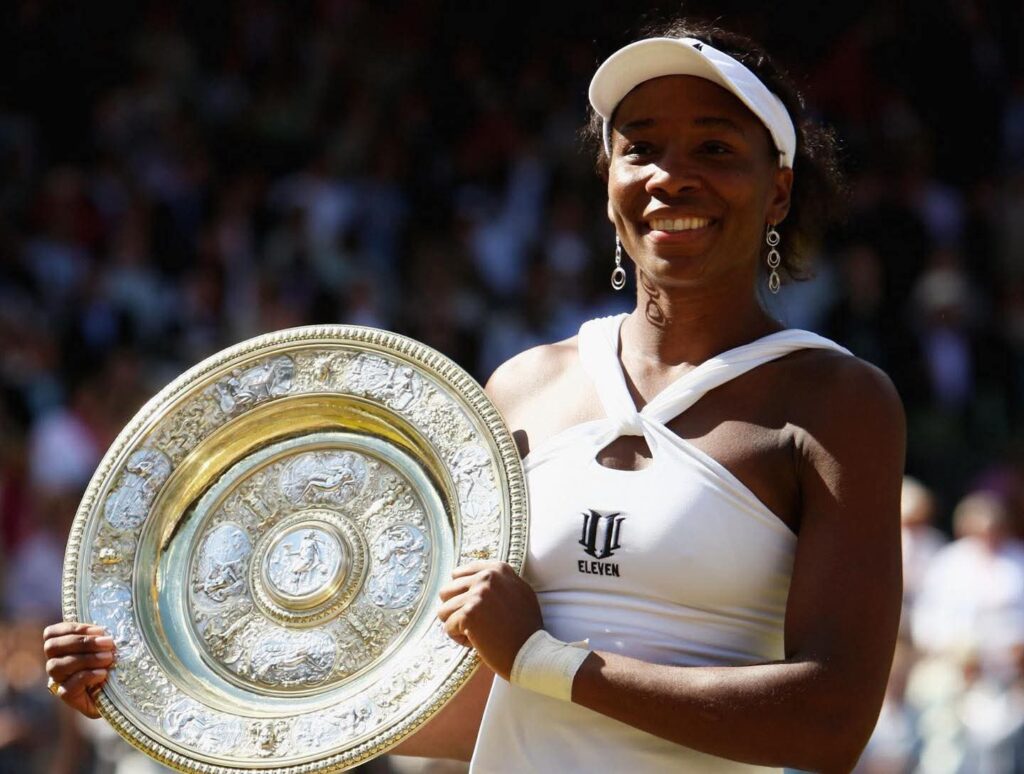
One of the greatest grass-court players in tennis history, Venus Williams has continued to redefine longevity. According to ESPN, the seven-time Grand Slam singles champion received a wildcard entry into the 2023 Wimbledon main draw at the age of 43.
Her campaign ended in the first round against Elina Svitolina, a match marred by a serious knee injury. Yet Venus’ story of defying age continues.
According to the Australian Open (AO), she recently received a wildcard for the tournament, becoming the oldest player to compete at the age of 45. With five Wimbledon singles titles, 14 Grand Slam doubles crowns, and three Olympic gold medals, her legacy transcends generations.
Gaël Monfils: Entertaining Wimbledon at 38
According to an Associated Press report, Gaël Monfils continued to challenge age norms in 2025, featuring in the Wimbledon men’s singles draw at 38, the oldest player in the field.
Monfils reached the second round after winning a gruelling five-set opener, showcasing his trademark athleticism and flair against far younger opponents. Though his run ended in round two, the performance underlined his enduring competitiveness. Expected to return for Wimbledon 2026—his final season on the ATP Tour—Monfils’ appearance is set to become a farewell on one of tennis’ grandest stages.
Laura Siegemund: A Late-Blooming Contender
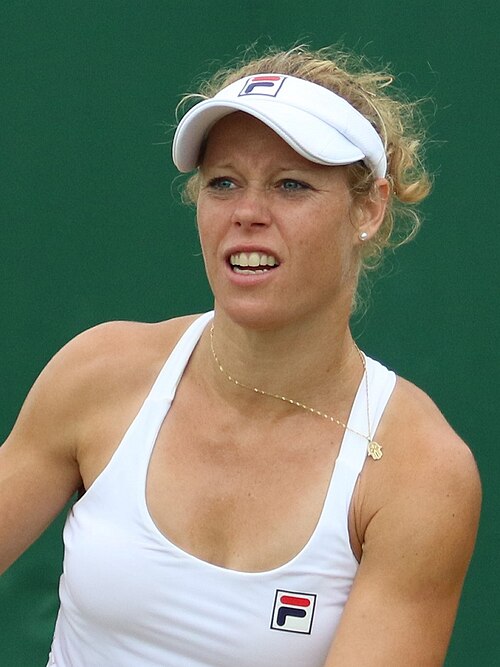
According to Wimbledon.com, Laura Siegemund reached the quarter-finals of Wimbledon 2025, becoming the oldest woman in the Open Era to do so at 37.
Her memorable run included a fourth-round victory over Solana Sierra and wins against higher-ranked opponents such as Madison Keys, before she exited in a thrilling last-eight clash against world No.1 Aryna Sabalenka. Siegemund’s campaign emerged as one of the tournament’s most unexpected and celebrated stories.
Wimbledon’s grass courts, tactical demands and deep-rooted traditions have consistently rewarded seasoned competitors. While champions may often emerge young, The Championships continue to honour those who defy age, proving that at the world’s oldest tennis tournament, greatness does not fade with time—it evolves.