From Research to Regulation: G. Rajaraman Sounds Alarm on India’s Growing Doping Crisis
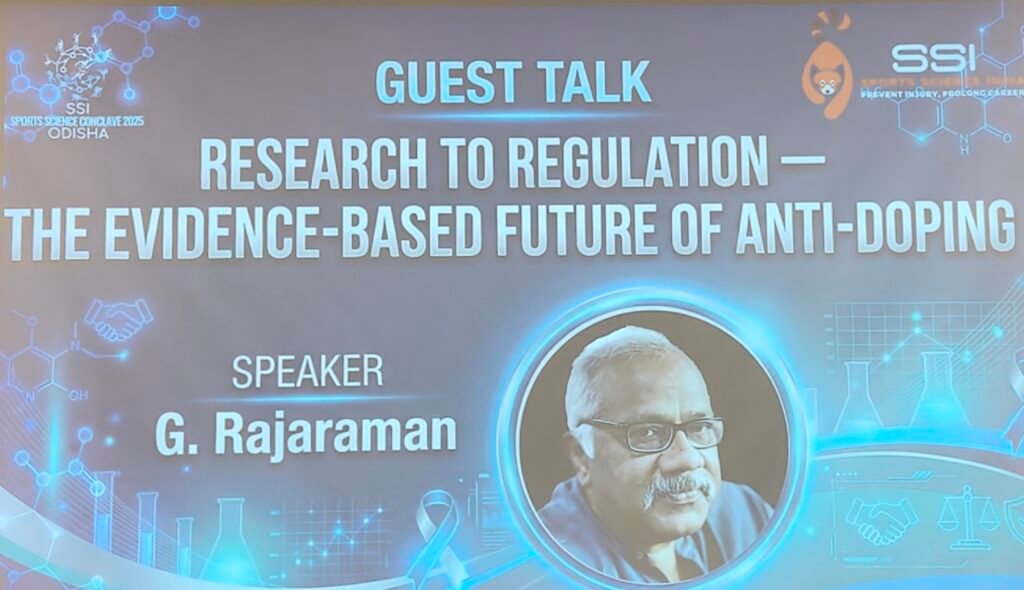
At SSI Sports Science Conclave 2025, Veteran Journalist Highlights the Urgent Need for Evidence-Based Anti-Doping Reforms
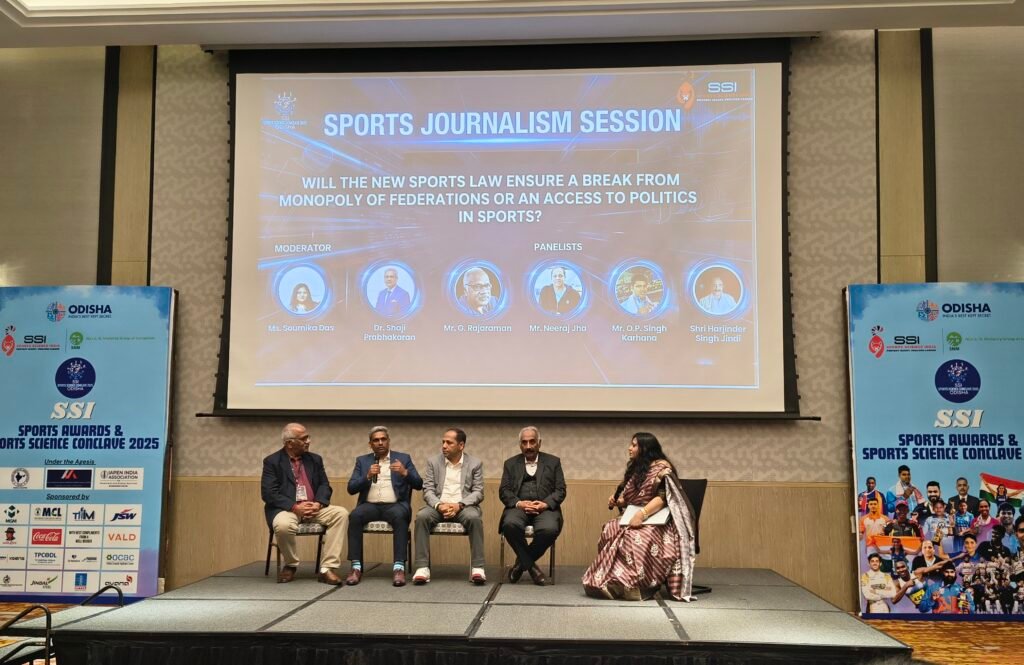
At the SSI Sports Science Conclave 2025, veteran sports journalist and columnist G. Rajaraman delivered a hard-hitting and deeply concerning address on the topic “Research to Regulation – The Evidence-Based Future of Anti-Doping.” His session exposed the alarming scale of India’s doping crisis and raised critical questions about regulation, awareness, medical responsibility, and the dangerous role of unmonitored supplements.
550 Athletes Barred: A Growing National Concern
Rajaraman revealed that over 550 Indian athletes and coaches are currently barred from competition due to doping violations, a number that is rising every year. What made the situation even more disturbing, he said, is that India now leads one global list — not in Olympic medals, but in doping cases, with 268 recorded violations, placing the country at the top worldwide in this unwanted category.
The Dangerous Supplement Trap
One of the most alarming disclosures was about contaminated supplements. Rajaraman warned athletes against blindly taking the supplement route, especially products sourced illegally or through unverified channels, including substances traced back to Russian supply networks.
Citing a newspaper investigation, he stated that nearly 18% of certain tested supplements were found to be contaminated, often containing unlabelled steroids. Many athletes unknowingly consume banned substances without any warning on the label.
Steroids, Stimulants and Peptide Hormones: A Silent Threat
Rajaraman categorically warned against the growing misuse of steroids, stimulants, and peptide hormones, calling them extremely dangerous to both health and career. He stressed that stopping doping is not just about testing athletes — it is about cutting off access at the source by attacking the supply chain itself.
Weak Regulation: A Systemic Failure
Exposing serious regulatory gaps, Rajaraman pointed out a shocking disparity:
A supplement shop can be opened with a license costing just ₹7,500, while a medical drug store requires strict regulation and compliance. This lack of oversight has opened floodgates for unsafe, unverified, and illegal products to reach young athletes with ease.
Doctors, Misinformation and Social Media Influence
He also expressed concern that many athletes are being misguided by untrained advisors and sometimes even by doctors who unknowingly prescribe banned substances.
Adding to the danger is social media, which Rajaraman described as “scary” for young athletes — a space overflowing with misinformation, fake experts, and performance-enhancement shortcuts with devastating consequences.
A Cautionary Example: Doping Beyond Physical Sports
Rajaraman cited the case of 58-year-old bridge player Arvind Vaidya, whose sample was banned after he tested positive while taking blood thinners following heart surgery. The case highlighted a harsh truth of sports law:
The athlete is fully responsible for whatever enters the body — intentional or not.
The Role of Sports Science and Natural Nutrition
He strongly emphasized the need for qualified sports nutritionists to guide athletes toward safe, natural, and science-backed methods of performance enhancement, including Ayurveda and traditional nutrition, rather than synthetic shortcuts.
The Final Message: Evidence Must Drive Regulation
Concluding his session, Rajaraman stressed that India’s fight against doping cannot be symbolic. It must be driven by research, enforced by regulation, and supported by education and sports science. Without systemic reform, he warned, India risks losing not just medals — but an entire generation of athletes to bans, health damage, and shattered careers.