Pro Wrestling League To Make Triumphant Return in January 2026
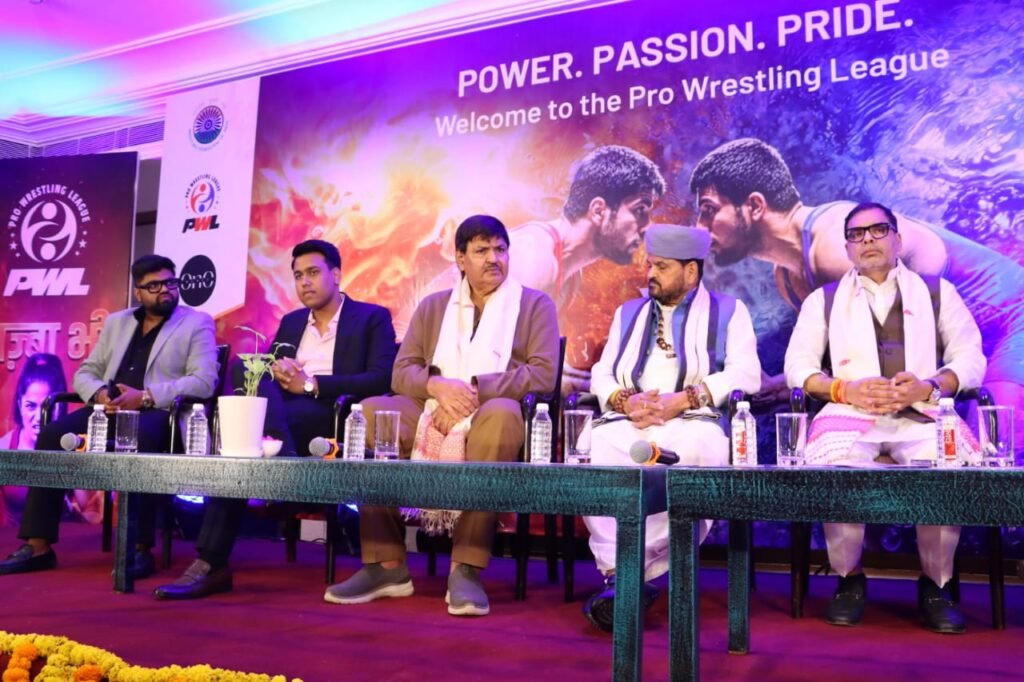
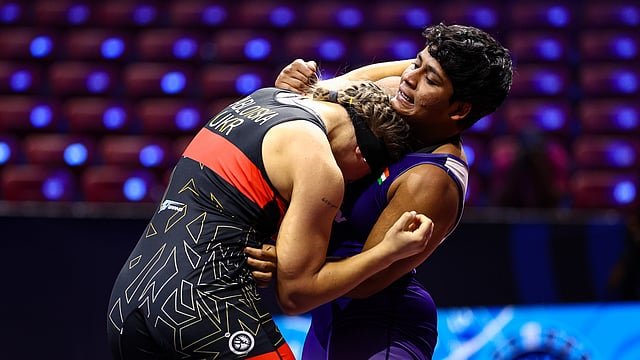
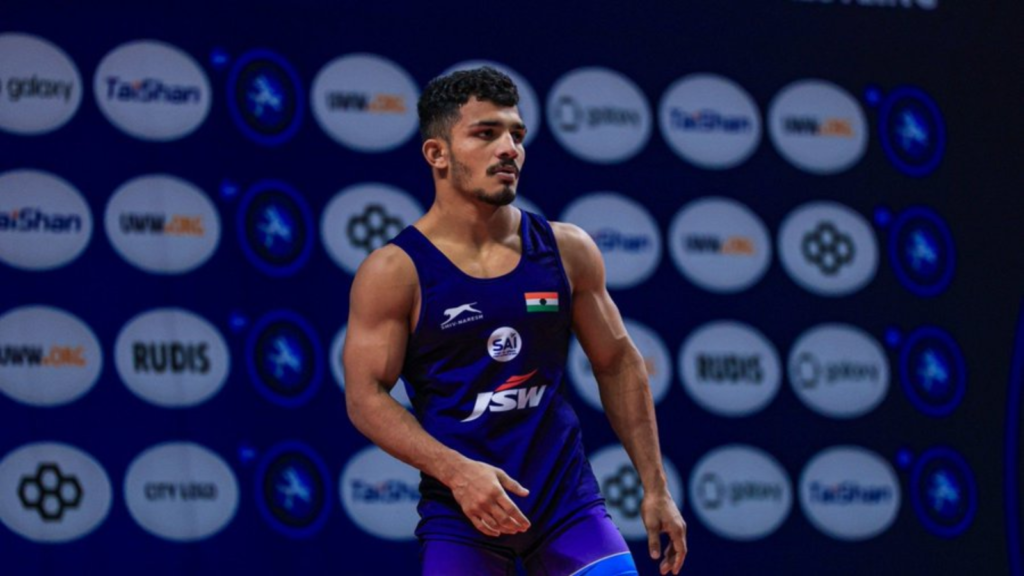
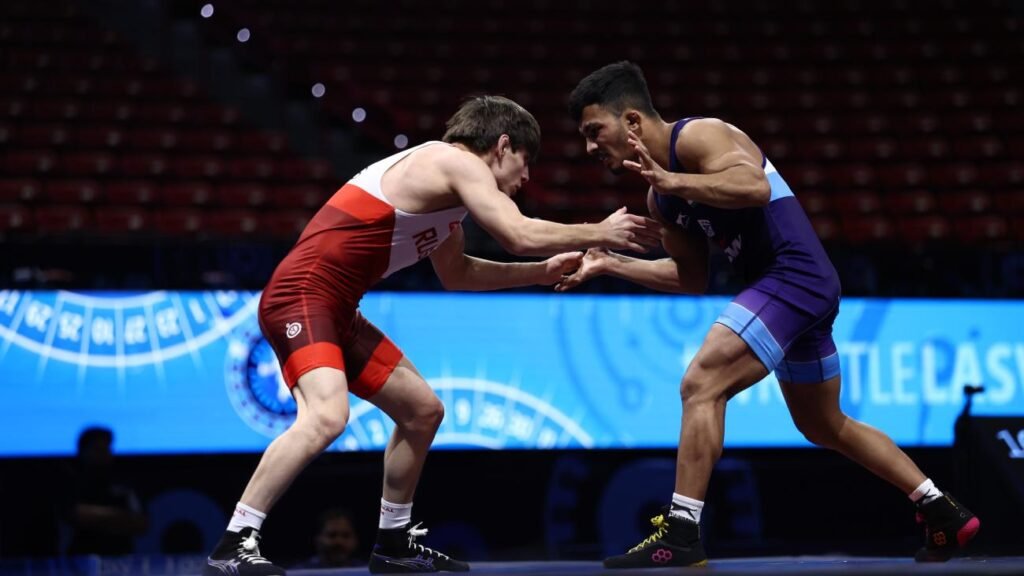
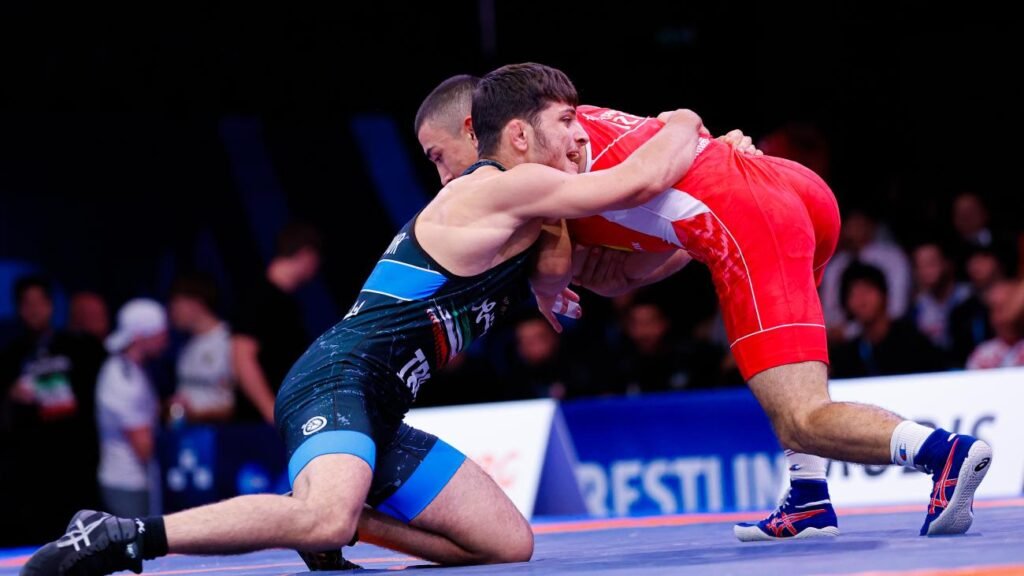
New Delhi: The Pro Wrestling League (PWL) is officially set to return to India in January 2026, the Wrestling Federation of India (WFI) has announced, signaling a fresh chapter for professional wrestling in the country.
What’s new in the revived format
According to WFI President Sanjay Singh, the revamped PWL will adopt a six-team franchise structure, akin to successful Indian pro-sports leagues, and aim to combine elite Indian talent with international stars to elevate both the competitive and entertainment value.
Key highlights include:
Team-based format: Six teams, each presumably tied to a region or corporate franchise.
Blend of domestic and global participation: Indian wrestlers alongside overseas competitors to raise the standard and visibility of the league.
Focused on long-term professionalisation: Building a sustainable ecosystem for wrestlers, commercial partnerships, fan engagement and regular competition.
Latest updates & next steps
The WFI has confirmed that details relating to franchise ownership, player draft/auction, venues, and broadcast rights will be announced later this year.
In parallel, the WFI is making bold moves on the international stage: it has submitted a bid to the United World Wrestling (UWW) to host the 2026 Junior World Wrestling Championship in India, demonstrating its expanded ambition beyond just a domestic league.
While the original PWL ran from 2015 to 2019 before being suspended due to the pandemic and associated challenges, this new version is positioned to be more robust and commercially viable.
Why this matters
The return of the Pro Wrestling League is more than just another sports tournament:
It gives Indian wrestlers a regular domestic high-profile platform, reducing reliance solely on international championships.
It opens up opportunities for private investment, corporate sponsorship, media deals, and a larger fan-base for wrestling — which historically has been under-commercialised in India.
For the broader wrestling ecosystem, the existence of a thriving professional league could enhance talent development, provide stable incomes for athletes, and improve infrastructure.
With India submitting bids to host major international events, the league adds to the country’s positioning as a global wrestling hub.
Challenges ahead
Translating announcement-phase excitement into execution: securing franchise owners, broadcasters, sponsors.
Maintaining athlete welfare, fair contracts, scheduling so that the league complements (not conflicts with) international competition and athlete rest.
Ensuring regional and grassroots engagement — a league only works if it reaches fans beyond major metros.
Delivering in a sustainable way (financially and organisationally) so that this revival lasts beyond the first season.