

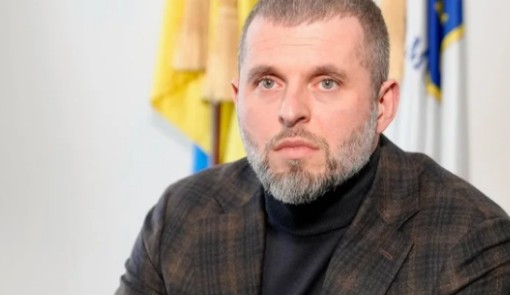
Ukrainian Youth and Sports Minister Matvii Bidnyi says it is “far too early” to consider the return of Russian and Belarusian athletes under their national flags at the 2026 Winter Olympics, despite fresh momentum around possible peace negotiations between Kyiv and Moscow.
Speaking to CNN Sports, Bidnyi stressed that Ukraine remains nowhere near a point where “justice is achieved”, and therefore discussions about restoring Russia’s sporting privileges are premature.
Neutral Athletes Only — For Now
Under current IOC rules, athletes holding Russian or Belarusian passports may compete only as Individual Neutral Athletes (AINs), with each case scrutinized to ensure they have never supported the war.
Teams, national symbols, and flags remain prohibited. Ice hockey squads and other national teams face a total ban.
However, with new peace proposals entering diplomatic discussions, questions emerged over whether the bans could be lifted before the Games open in Milan-Cortina on February 6, 2026.
Bidnyi dismissed that possibility:
“We have lost coaches, athletes, and hundreds of facilities. We are too far from a position where we can say justice was achieved.”
Peace Talks Still Far Apart
Hopes surged earlier this week when the Trump administration suggested Ukraine had agreed to a peace proposal.
But a senior Ukrainian official told CNN that significant gaps remain across at least three major areas, damping speculation of an imminent deal.
War Devastates Ukraine’s Sporting Infrastructure
The conflict continues to cripple Ukraine’s Olympic preparation. According to the Sports Ministry, 800 sporting facilities have been damaged — a sharp rise from 500 reported in mid-2024.
Satellite imagery shows destroyed training centers and stadiums.
With ice arenas and winter-sport venues requiring stable electricity supplies, Russian attacks on energy infrastructure have deepened the crisis.
Bidnyi says 18 Ukrainian athletes have qualified so far, though the country hopes to send around 40 competitors to Italy.
IPC Lifts Ban — But Federations Push Back
While the IOC has maintained strict measures, the International Paralympic Committee (IPC) controversially lifted its blanket ban. Individual federations can now decide whether to allow Russian or Belarusian participation.
Several have already declined to reinstate them — including FIS, IBU, and World Curling — often because athletes have missed qualification windows or due to continued ethical concerns.
Bidnyi called the IPC’s stance “strange” and urged global sports bodies to stay united:
“War is not politics; war is a crime. And if you commit a crime, you cannot be allowed back onto the international stage.”
Resilience Through Sport
Despite the turmoil, Ukraine sees the Games as a chance to showcase its resilience.
Athletes like freestyle skier Diana Yablonska continue to train abroad and compete internationally, while the nation looks to emulate the pride generated by its football team’s World Cup qualifying run.
Ukraine won one medal at the 2022 Winter Olympics — Oleksandr Abramenko’s silver in aerials, following his 2018 gold.
For Bidnyi, participation itself sends a powerful message:
“It’s a sign of our will to win — not only in sports but on the battlefield for our values, our European and free-world values.”















Discussion about this post