Silence Please: Chess Struggles to Balance Tradition and Fan Engagement
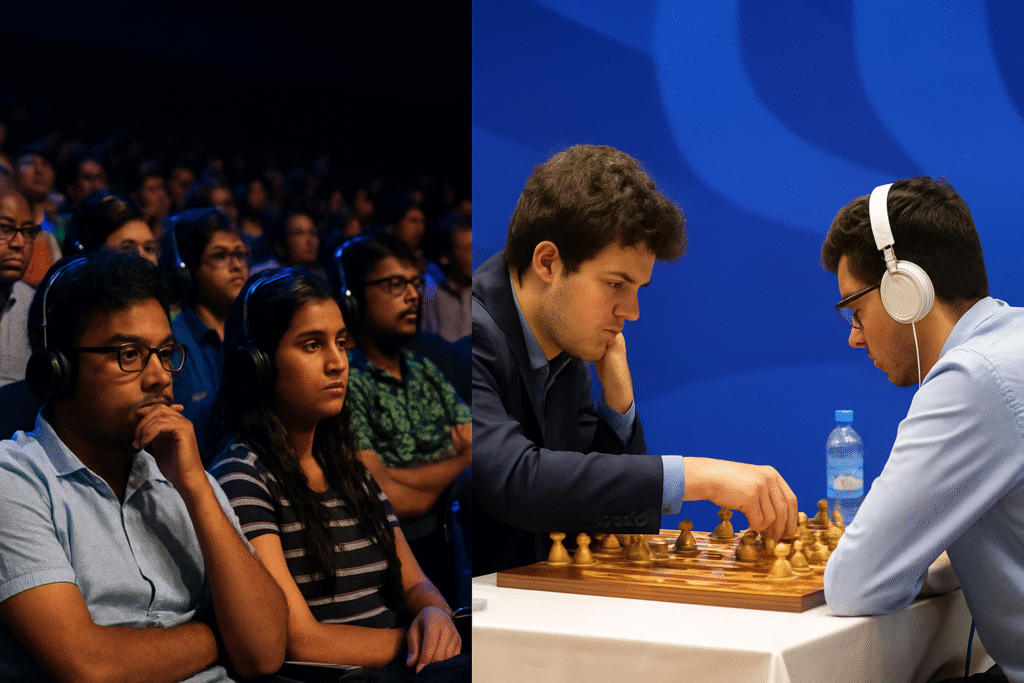
Chess is standing at a defining moment. The sport, long regarded as the pinnacle of quiet, cerebral competition, is now confronted with a new challenge: how to evolve into a modern spectator sport without losing the values that shaped it. With booming interest in countries like India and growing global viewership, the debate around audience experience is more urgent than ever.
A Growing Audience Meets an Old-School Format
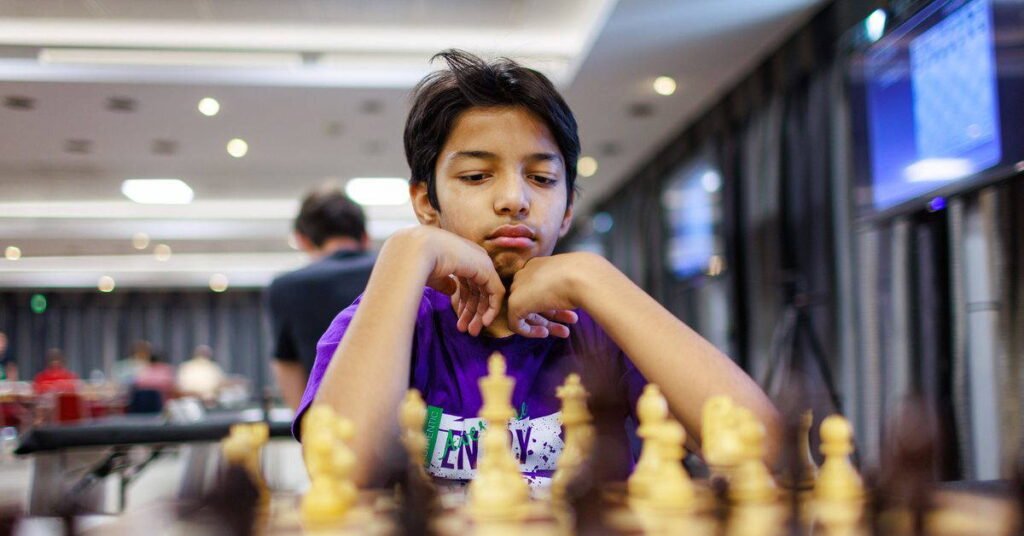
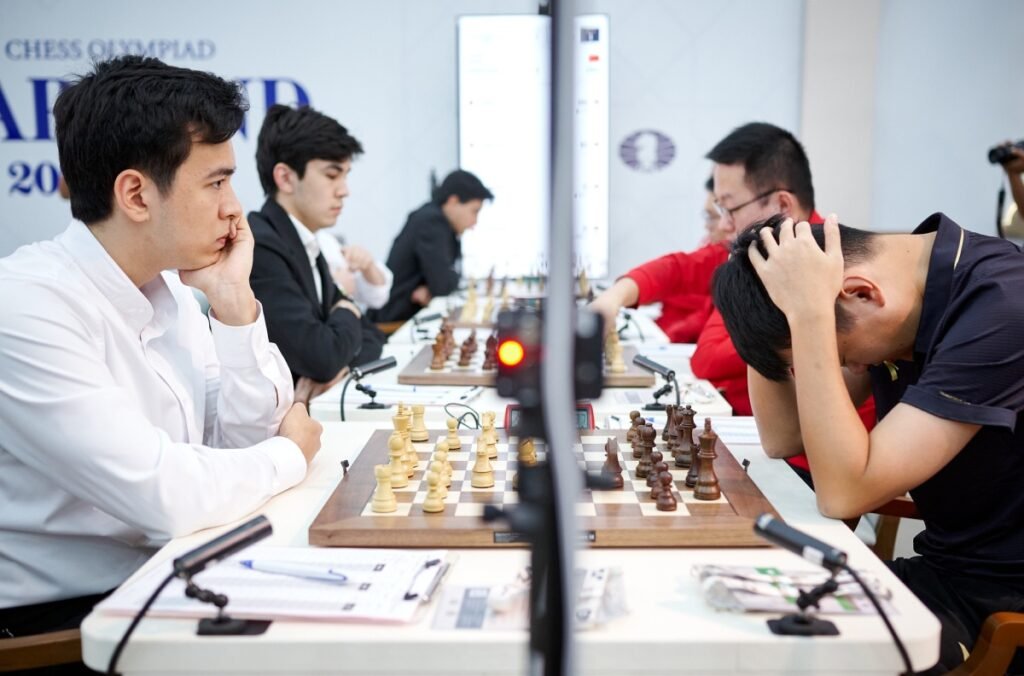
At major events such as the FIDE World Cup and the Chennai Grand Masters, fans have access to the playing hall but must surrender personal electronic devices. Inside, they can only view the raw moves on a screen—without the evaluation bar or live commentary that casual viewers rely on to understand the complexities of elite chess.
For many newcomers, this creates a disconnect. They want to cheer, engage and understand in real time, but the traditional silence of the playing hall makes that impossible.
Nihal Sarin, speaking at the Chennai Grand Masters, captured the sentiment succinctly: “For chess to grow, it needs a huge audience. A sport needs money to grow, and for that you need fans. For now, chess is not a spectator sport.”
Experiments in Las Vegas, Riyadh and Texas Push Boundaries
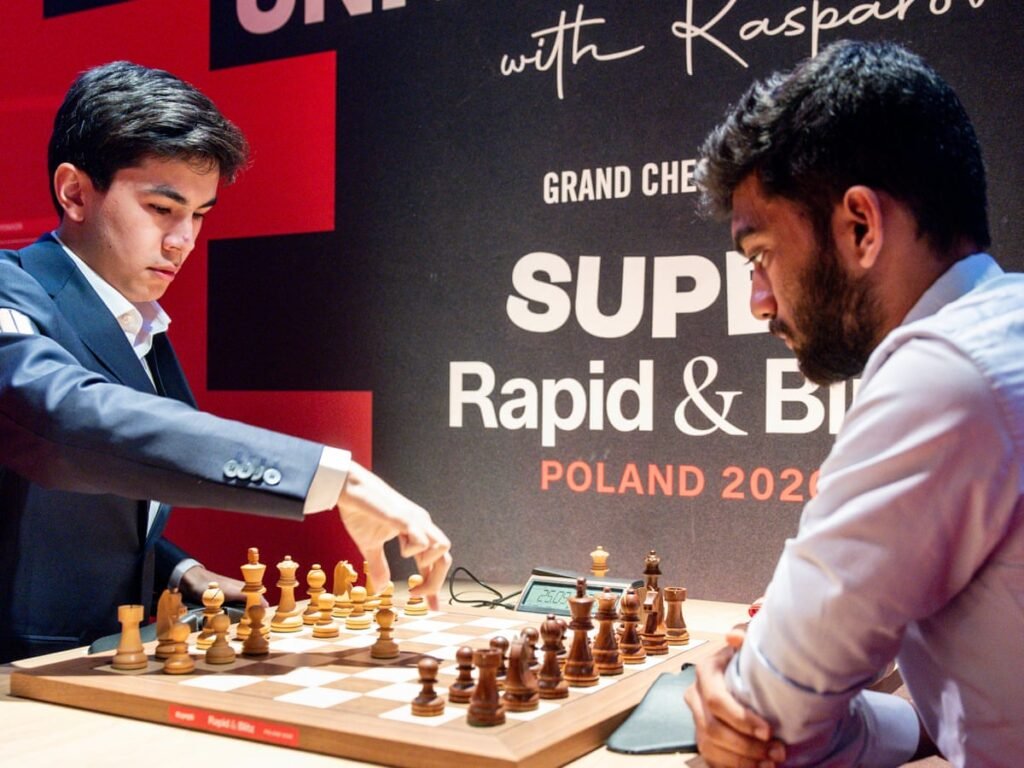
This year, several tournaments attempted to shake up the experience. At the freestyle event in Las Vegas and the eSports World Cup in Riyadh, fans could watch with commentary and evaluation bars displayed live. Players, meanwhile, wore noise-cancelling headphones—a solution that divided opinion.
Fabiano Caruana disliked it. Arjun Erigaisi found it uncomfortable. Anish Giri called the headphones a nuisance and criticised the entertainment-focused format as “ridiculous.”
The India vs USA exhibition match in Texas went even further. Players competed on stage with a roaring crowd, no headphones, and active engagement encouraged. Hikaru Nakamura even threw D Gukesh’s king into the audience after a win—organisers had reportedly suggested players break captured kings to excite fans.
But many players, including Gukesh and Sagar Shah, rejected these theatrics, saying that chess pieces are treated with a reverence that shouldn’t be compromised.
How Much Can Chess Bend Before It Breaks?
Despite the push for entertainment, many chess leaders warn against drifting too far from the sport’s ethos. Anish Giri argued that formats designed purely for spectacle cannot become the norm. Without high-quality games, he said, the entire product risks becoming diluted.
German GM Vincent Keymer echoed this concern, emphasising that player comfort must remain central. Without it, he said, “there’s no high-level chess,” and without high-level chess, fan interest cannot be sustained.
The Global Chess League Eyes a Middle Path
In India, where chess is surging in popularity, organisers are searching for a balance. The Global Chess League (GCL), gearing up for its third season at Mumbai’s Royal Opera House, is experimenting with a hybrid approach.
GCL CEO Gourav Rakshit says the league is considering giving fans in the hall their own headphones for real-time commentary, coupled with screens displaying the evaluation engine. The goal: enhance understanding without disturbing the players.
Rakshit has travelled to global events to study innovations and believes casual fans must be able to follow the action clearly if they are to remain invested.
Tradition vs Modernity: The Tension Remains
Ticket sales at recent Indian tournaments prove that fans are willing to show up even under traditional conditions. Still, organisers recognise that stagnation is not an option. Events like those in Las Vegas, Riyadh and Texas will continue, and perhaps multiply—but widespread acceptance remains distant.
For now, elite chess remains suspended between two worlds. The silent hall, a hallmark of the sport, isn’t disappearing anytime soon. Yet the push to modernise grows stronger each year.
If innovations like spectator headphones and enhanced in-hall analysis succeed, they may lay the foundation for chess to finally transform into a true spectator sport—without losing the quiet brilliance that defines it.